In North Limburg, right on the border with the Dutch province of Brabant, lies Hamont-Achel and its surroundings, a region rich in nature and heritage. And the milling heritage occupies a very special place in this.
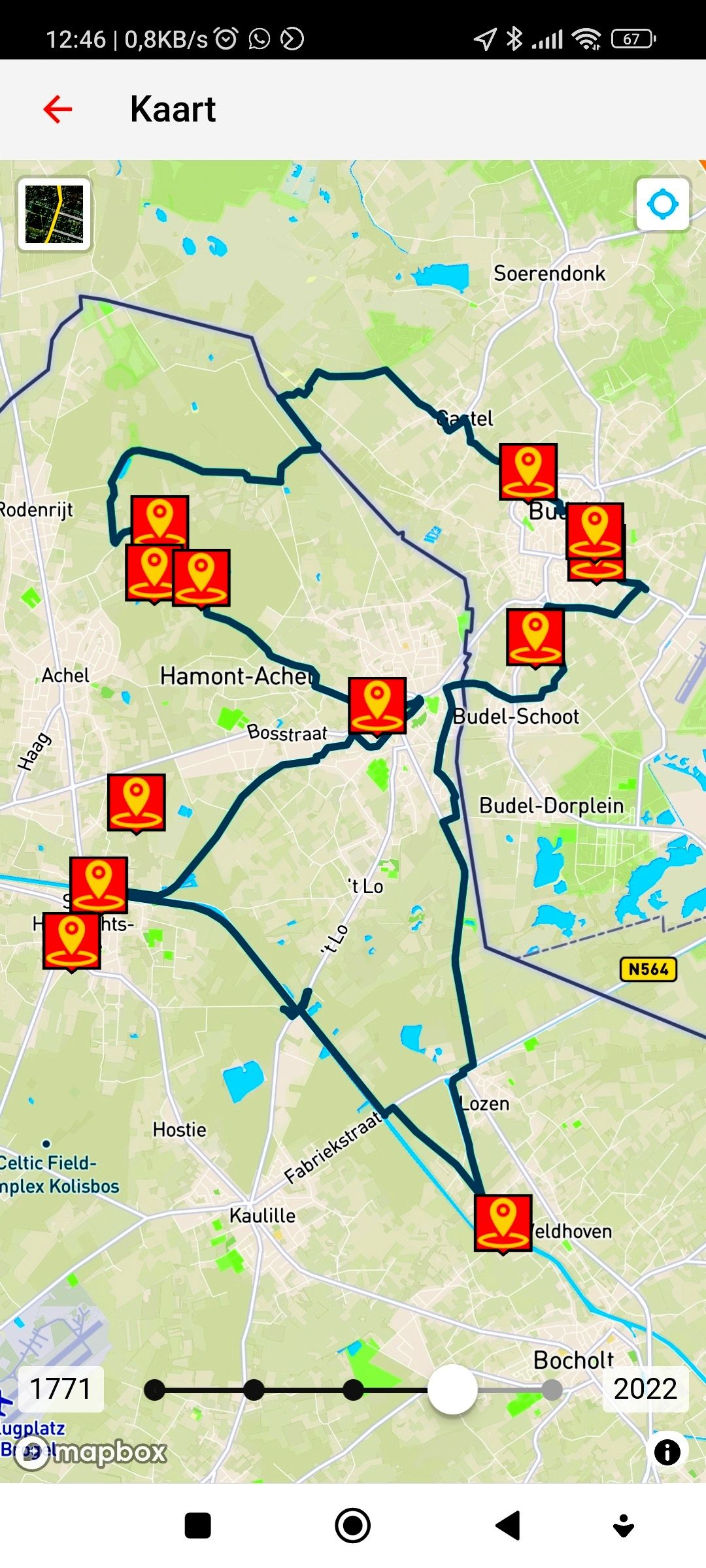
MolenNetwerk KempenBroek vzw has mapped out a new windmill cycling route around Hamont-Achel: the Heggemulderroute. Heggemulder Rein is your companion during this approximately 40 km long bike ride. He ErfgoedApp you ErfgoedApp a surprising journey through nature and past the windmill heritage of Hamont, Sint-Huibrechts-Lille, and Budel with your smartphone and the ErfgoedApp . Hop on your bike and come along!
The phenomenon of the hedge cutter was well known in the Loonse and Lage Kempen regions. You could also encounter them across the border, in eastern Brabant and in the Weerterland region of Dutch Limburg. Some mills, such as Sint-Jan in Stramproy, even had a permanent sleeping place for the hedge cutter in the mill barn.
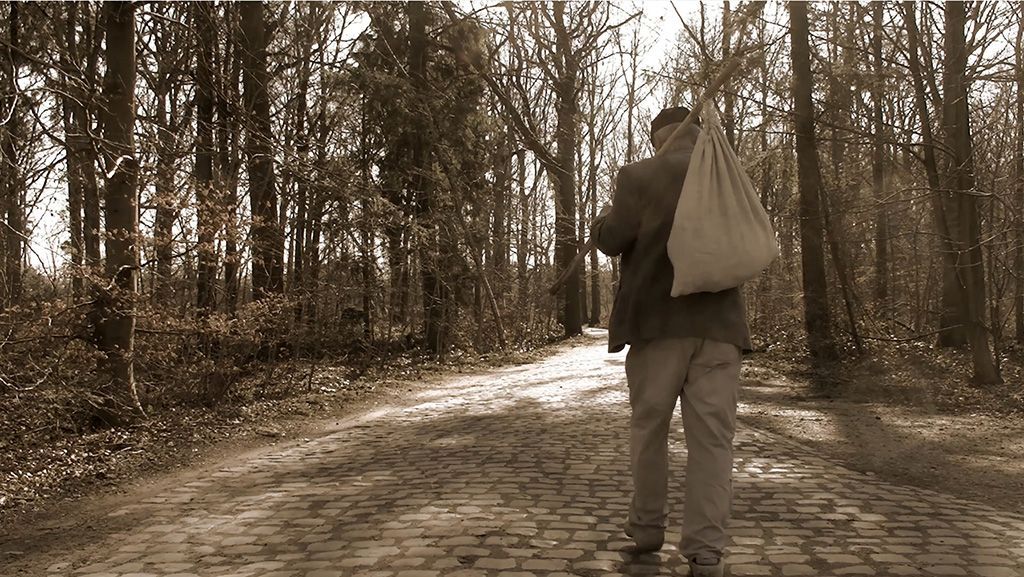
A heggemulder was a miller or miller's assistant without his own 'permanent' mill. A variant, therefore, of the itinerant preacher; the minister without his own congregation, who traveled from village to village. The heggemulder traveled from mill to mill and stayed at a mill where there was temporarily a lot of work for a few days or weeks. These mill laborers often received room and board and a small financial compensation in exchange for their work. Especially in North Limburg, a region with many grain mills, the heggemulders were welcome guests at the mills. This was due to their professional knowledge, their enthusiasm for work, and the mill news they brought with them and exchanged.
On the Heggemulder Route, heggemulder Rein takes you on a beautiful tour past the windmills and watermills of Hamont, Achel (formerly known as Heerlijkheid Grevenbroek), Sint-Huibrechts-Lille, and Budel in the Dutch municipality of Cranendonck. The old village centers of Budel, with its market square; Hamont, with its beautiful Teutenhuizen houses on the town square; and Sint-Huibrechts-Lille are also on Rein's route and are well worth a visit. Rein has ErfgoedApp interesting and informative to say about every mill or landmark along the way via the ErfgoedApp . Rein is a born storyteller and pleasant traveling companion who is happy to share his knowledge about the mills with you.
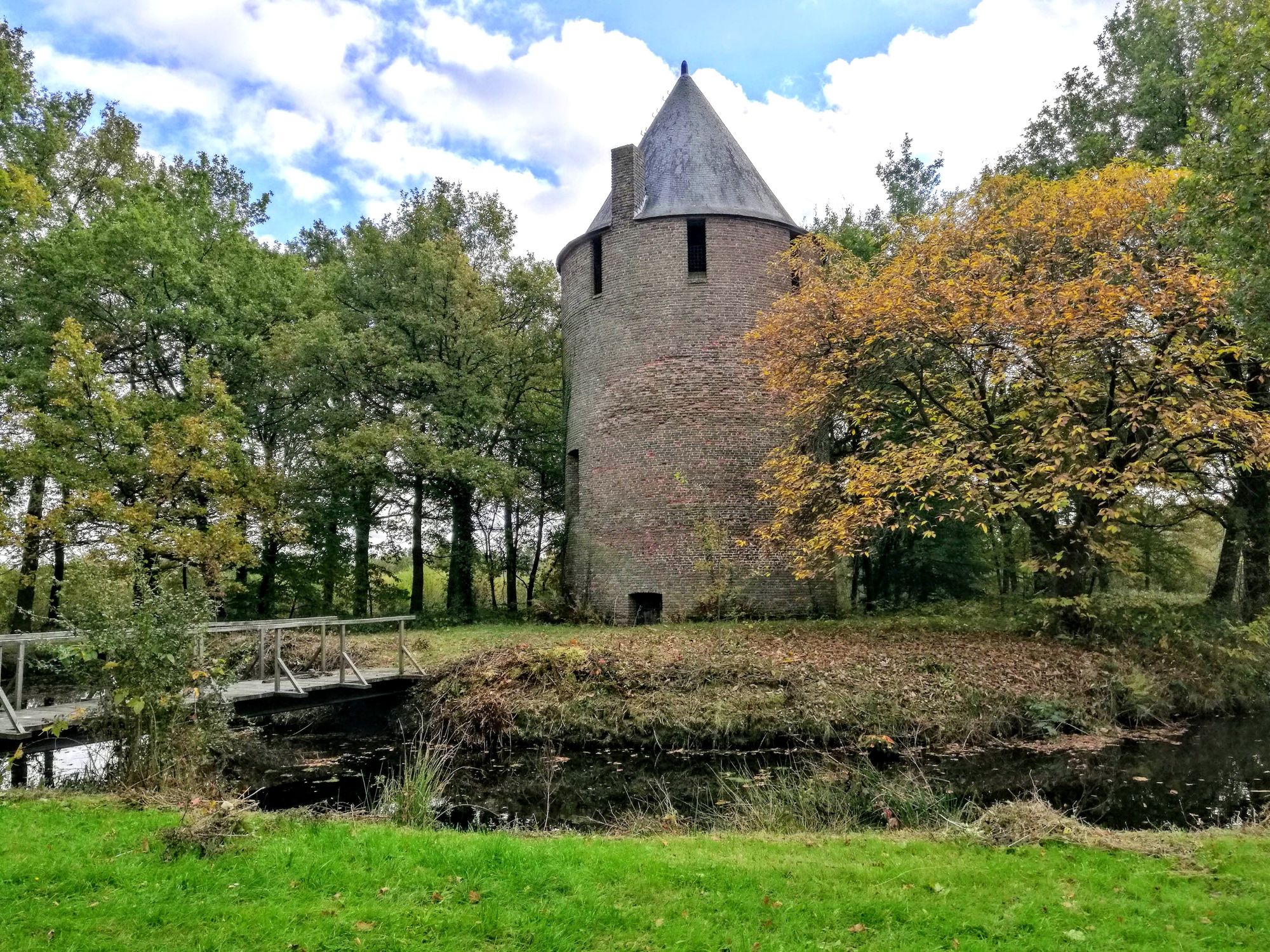
There are plenty of highlights along the way. But the mystical tower mill De Tomp is the one that gets people talking the most. Stories have always circulated about this historic place, located in the middle of the vast forests of Beverbeek. Even today, the place still raises many questions. Was De Tomp once a motte-and-bailey castle, a fortification? Or has the tower always been a mill? Experts are still debating this today. Heggemulder Rein only knew De Tomp as a defense tower because, in his time, the mill had long been out of use. New insights indicate that De Tomp was originally a tower mill, built in the 15th century by the Lords of Grevenbroek on a Schans, a fortified piece of land surrounded by water. Near De Tomp, there was also the Waagmolen, a post mill or stake mill. And 't Meulke, a busy watermill on the banks of the Warmbeek.
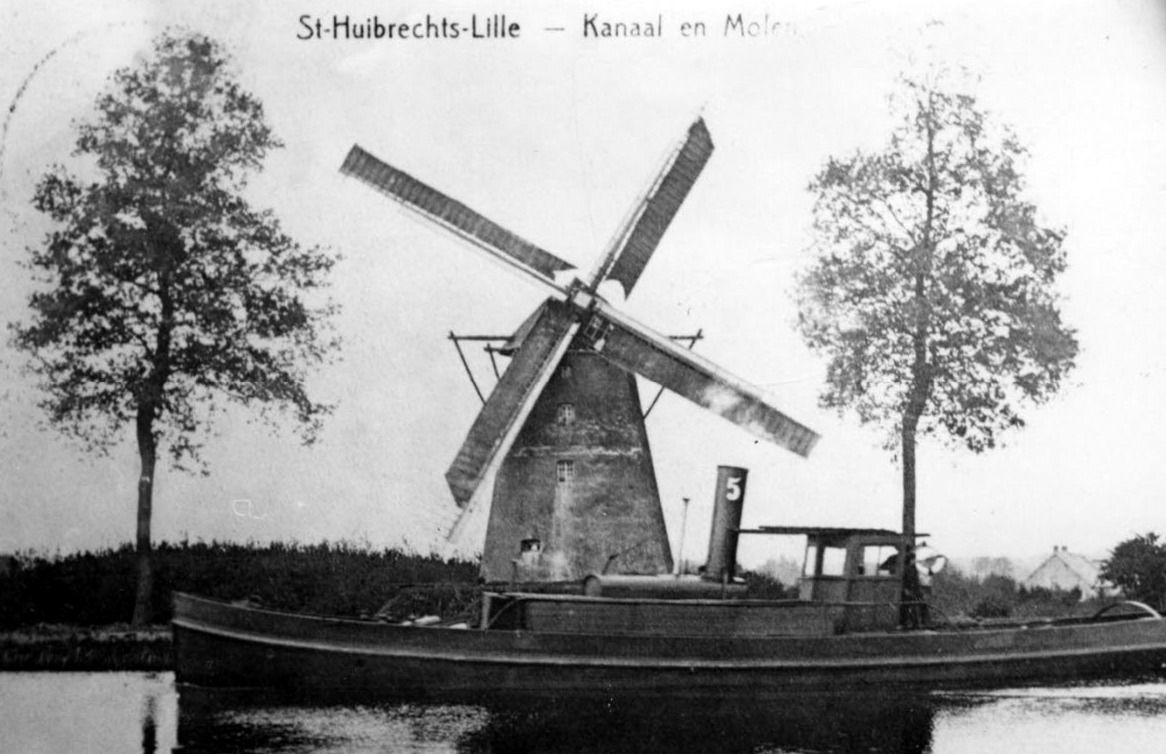
In Sint-Huibrechts-Lille, the Lilse Meule, with a wingspan of 26.70 meters, the largest in Belgium, dominates the village skyline. This sturdy belt mill did not always stand on this spot. Until 1908, the sails of the Lilse Meule turned on the banks of the Canal from Bocholt to Herentals. However, the mill had to make way for a canal widening and was moved to Schenkbroek: more than 1 kilometer away in the direction of Sint-Huibrechts-Lille.
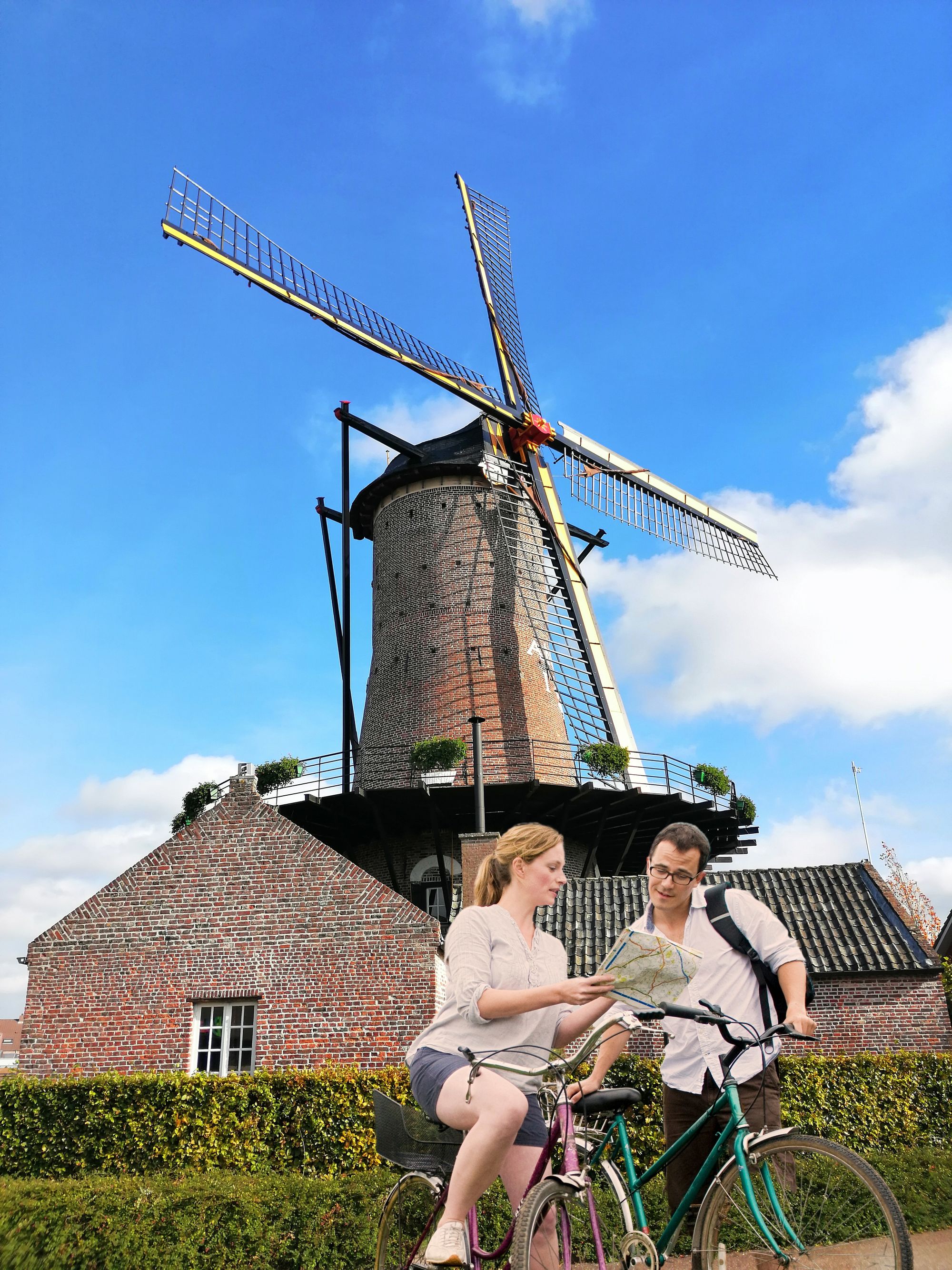
Rein also lets you disembark at the Napoleonsmolen, a former gallery mill and now a tower mill in the center of Hamont, so you can visit the mill. Rein used to be a regular visitor here to grind grain. A partnership was established in 1804 by several influential residents of Hamont to build the mill. Even today, grain is still regularly ground and oil pressed at this mill.
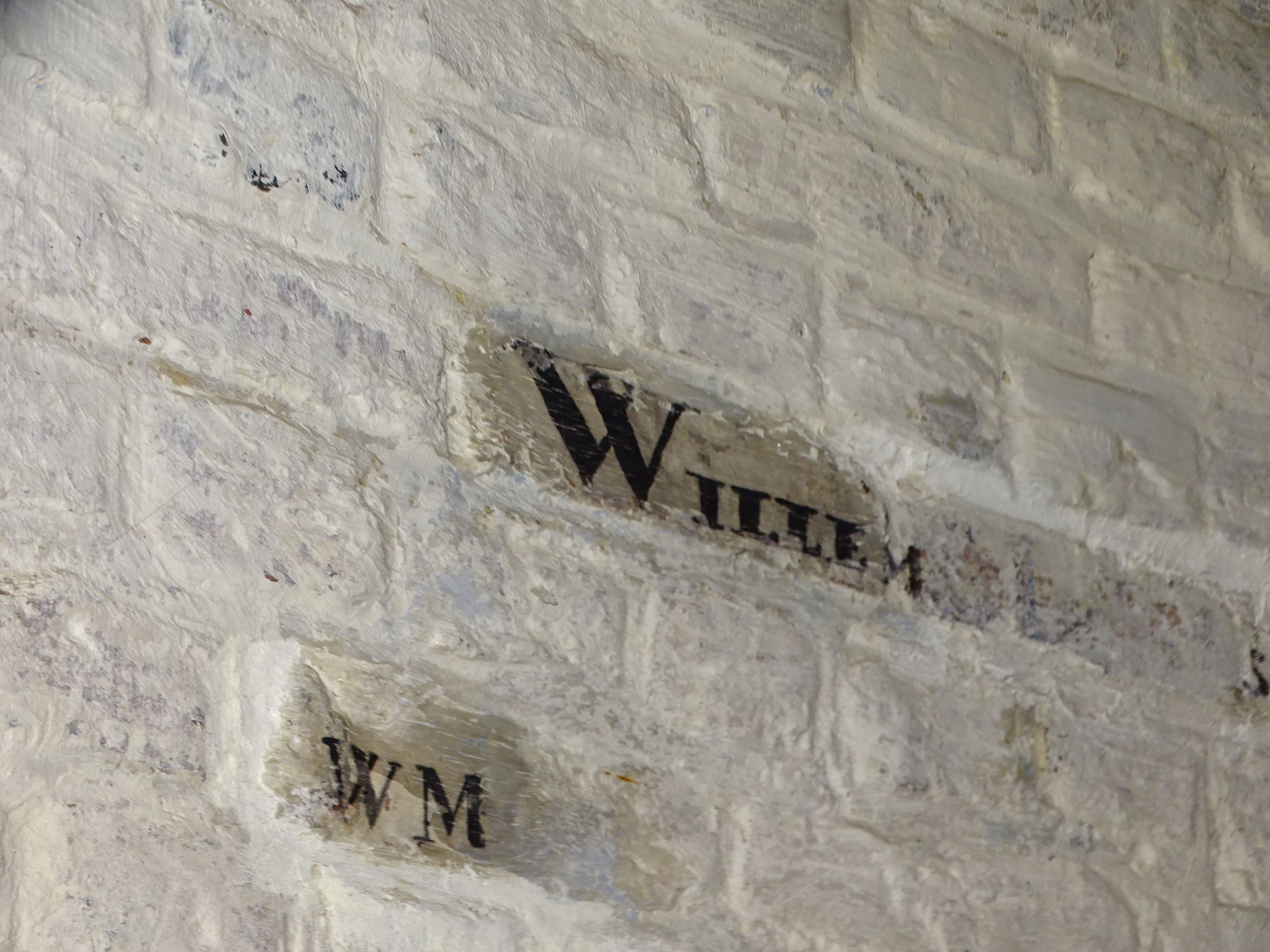
Are the mill sails turning or is the mill gate open? Then step inside. The millers will be happy to tell you about their mill and show you how the roller crushes seeds or the millstones grind grain. Be sure to take the time to climb up to the attic and look out over Hamont from the gallery or platform. Or ask them to explain how former millers and assistants carved or scratched their names into the walls or wood of the mill.
The three corn mills in Budel, close to Hamont but on the Dutch side of the border, are also on the route. Even in 2022, they are still in commercial operation and grinding grain.
This cross-border bike ride (plan a day for it) is mapped out on the cycle junction network. You can choose which junction you want to start your trip from. You will cross the varied landscape and green countryside between Budel (NL), Hamont, Achel, and Sint-Huiberchts-Lille (Pelt) with the Haarterheide, Bevenbeek, Lozerheide, and Langbosch. The route also takes you along the Bocholt-Herentals Canal and the Zuid-Willemsvaart, two waterways that cut through the landscape. The typical Kempen heathland will also accompany you regularly during this scenically attractive trip.