Imagine this: you want to travel from Antwerp to Limburg, but the trip takes so long that you have to think it over carefully. Today, you just get in the car and you’re on your way. But more than a hundred years ago, Limburg was much harder to reach.
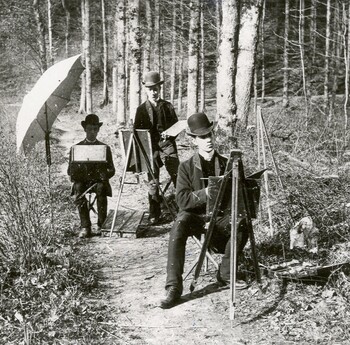
The artists who flocked to the Limburg Kempen around 1900 noticed this as well. The vast heathland and unspoiled landscape inspired many painters. Botanist Jean Massart also traveled through the region with his camera in 1911. His photographs capture more than just nature: the first signs of change were already appearing on the horizon.
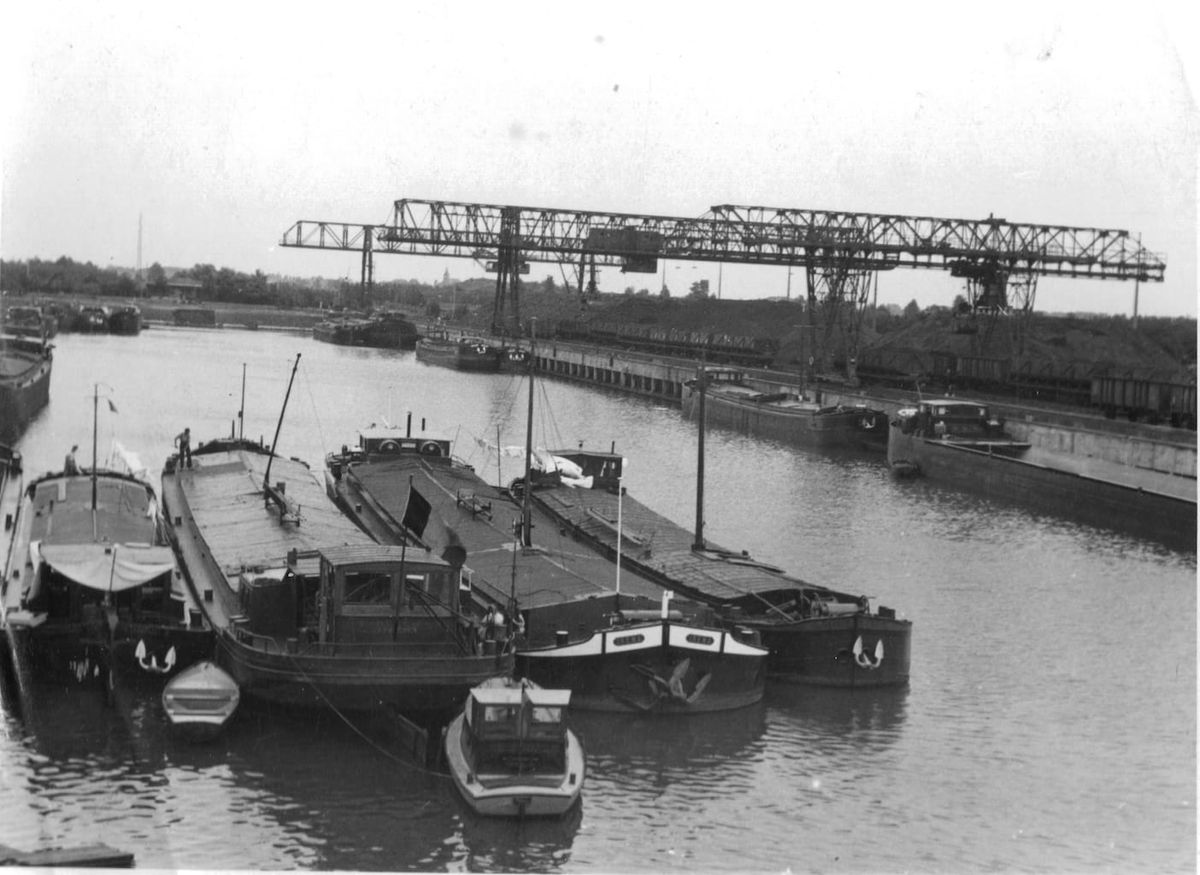
Because beneath the soil of Limburg lay something that would help shape the province’s future: coal. With the discovery of coal, the need for better transportation links grew. Grand plans emerged, first for water transport and later for road transport as well. The Albert Canal became a massive construction project. No fewer than 12,000 workers labored on it for nearly ten years. They moved millions of cubic meters of earth, built dozens of bridges, and constructed six locks.
After World War II, the highways were built. The E313 and E314 made Limburg more accessible and helped attract new businesses to the province. But not every planned road was actually built. New connections increasingly ran up against concerns about traffic and the loss of natural habitats.
Even more treasures to discover
Want to see more? Be sure to check out these stories and tours in the ErfgoedApp:
 ErfgoedApp
 ErfgoedApp
 ErfgoedApp