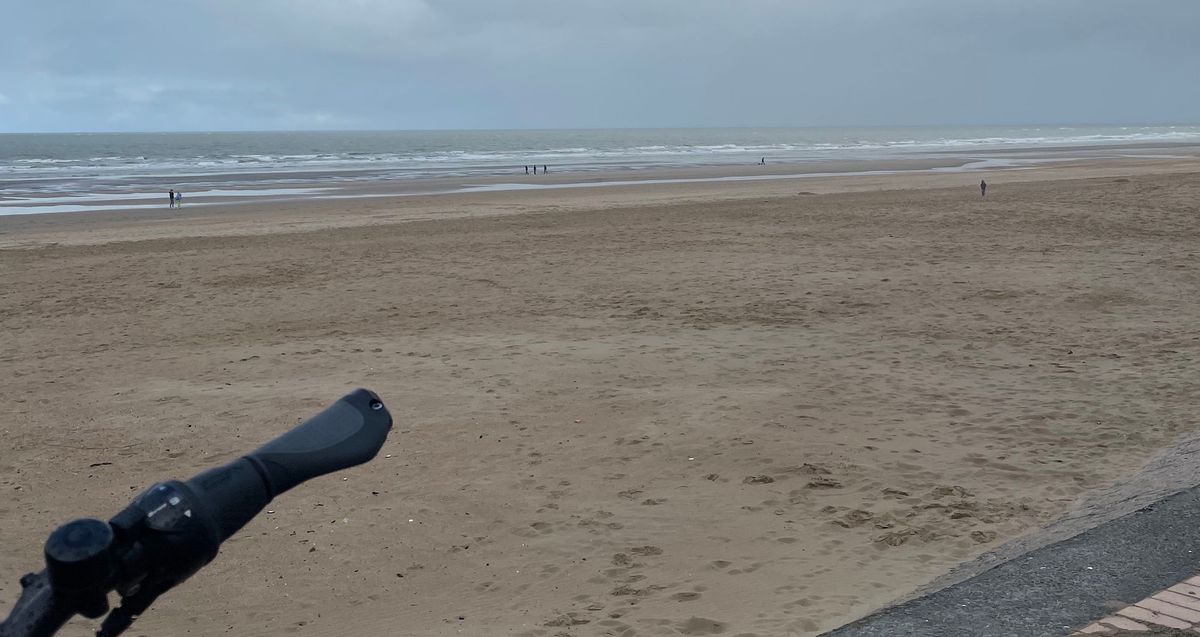
'Getting some fresh air at the seaside' – who doesn't love that? For us 21st-century dwellers, the coast is an almost natural holiday destination, within easy reach for virtually everyone. For many of our ancestors in the 19th and early 20th centuries, the sea was much further away: they simply couldn't afford a stay at the coast. Holiday camps changed this, introducing thousands of children to the healthy sea air over the course of the last century.
But what were these colonies like? Who organized them? And what memories did the children have of them? The tour Everyone to the sea! Holiday colonies in Koksijde and Nieuwpoort takes you on a cycling tour to discover the holiday colonies of yesteryear. The tour offers an intense historical reconstruction based on on-site visits and background information, combined with personal testimonies from both monitors and children.
Health, nutrition, and hygiene
The tour starts at the 'Ster der Zee' chapel; the home itself has been demolished. To my surprise, the name of the neighboring tram stop 'Koksijde Ster der Zee', which I passed so often during my vacations, is derived from this place! The introduction in the form of an audio clip starts here and tells us that countless socially disadvantaged, sick, and tuberculosis-weakened children were able to spend the summer months in the healthy sea air thanks to the support of charitable institutions and, later, the mutual health insurance fund.
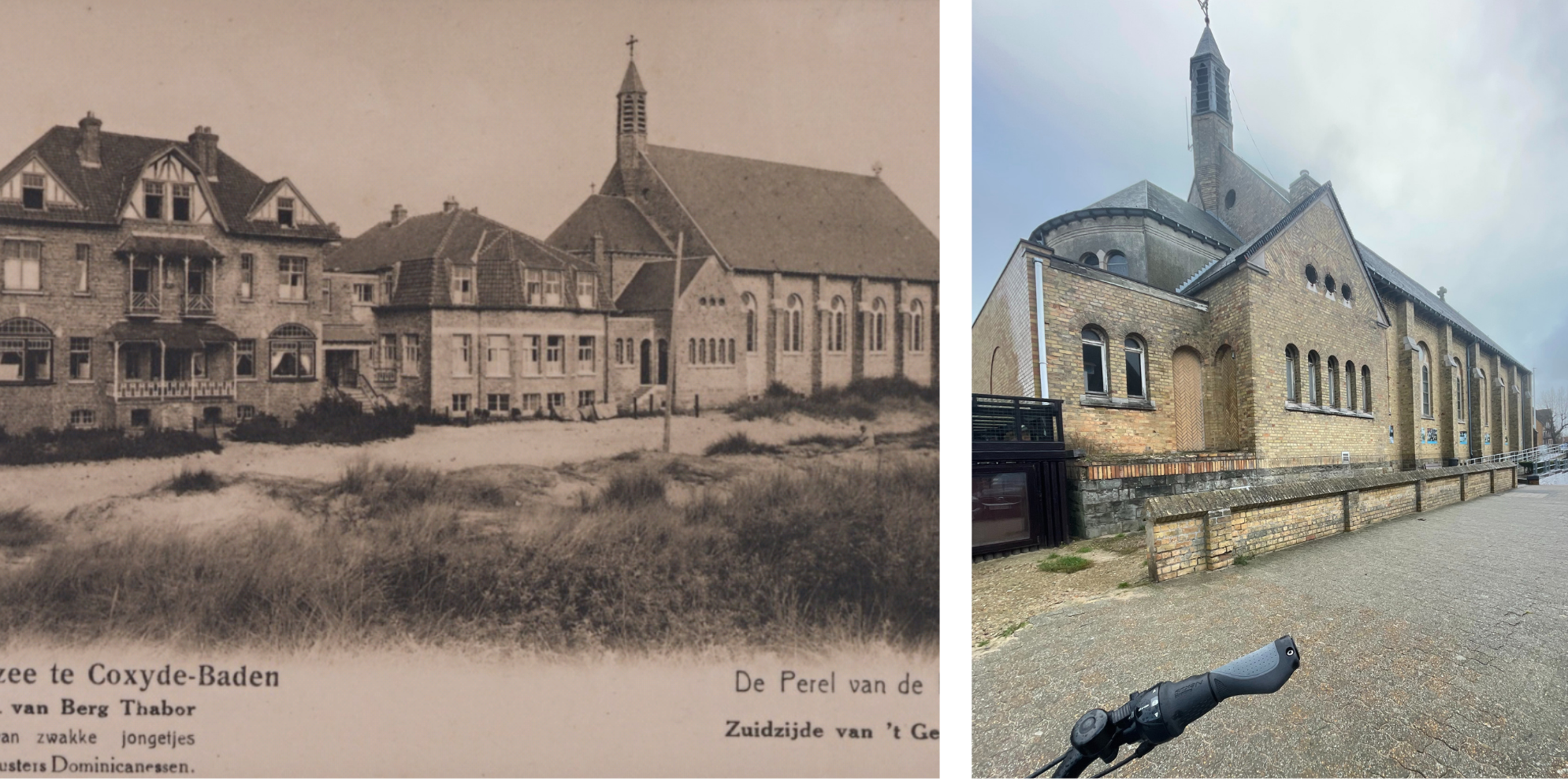
"Health, nutrition, and hygiene were central," it continues. How these three basic needs were met varied greatly depending on the spirit of the times and the views of the compartmentalized charitable organizations. This is also evident from the sometimes harrowing testimonies of the "colony children" featured in the tour. These testimonies are linked to the colonies where you stop, which enhances the visitor's experience: you are literally standing next to the specific place that is being described so vividly.

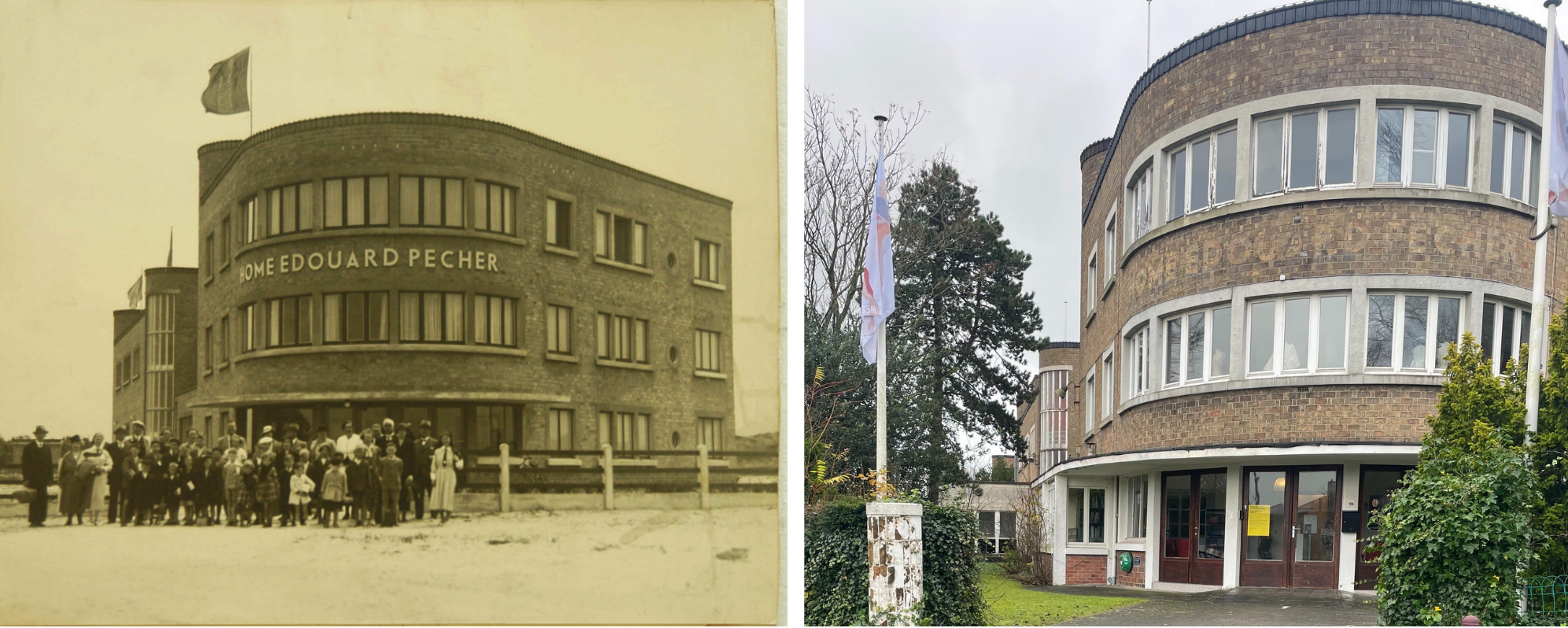
A stop at the 'Home Edouard Pecher' teaches me that the building is now used as an art academy. The windows are richly decorated with paintings and sculpted sculptures. Although the building has been given a different name and function, not only the architecture but also the photographic reconstruction of the tour immediately takes you back 60 years in time. The traces of the colony are still clearly visible here: the imprint of the letters 'Home Edouard Pecher' still shimmers on the facade of the building.
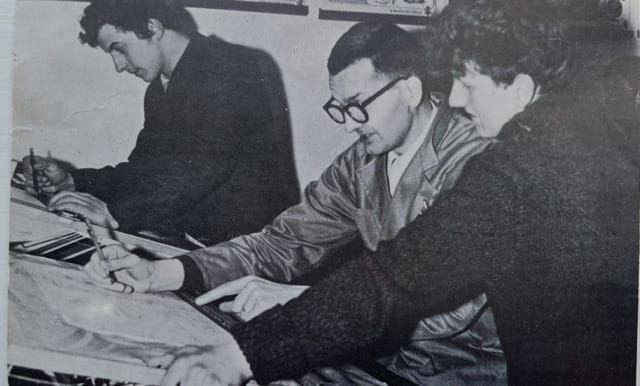
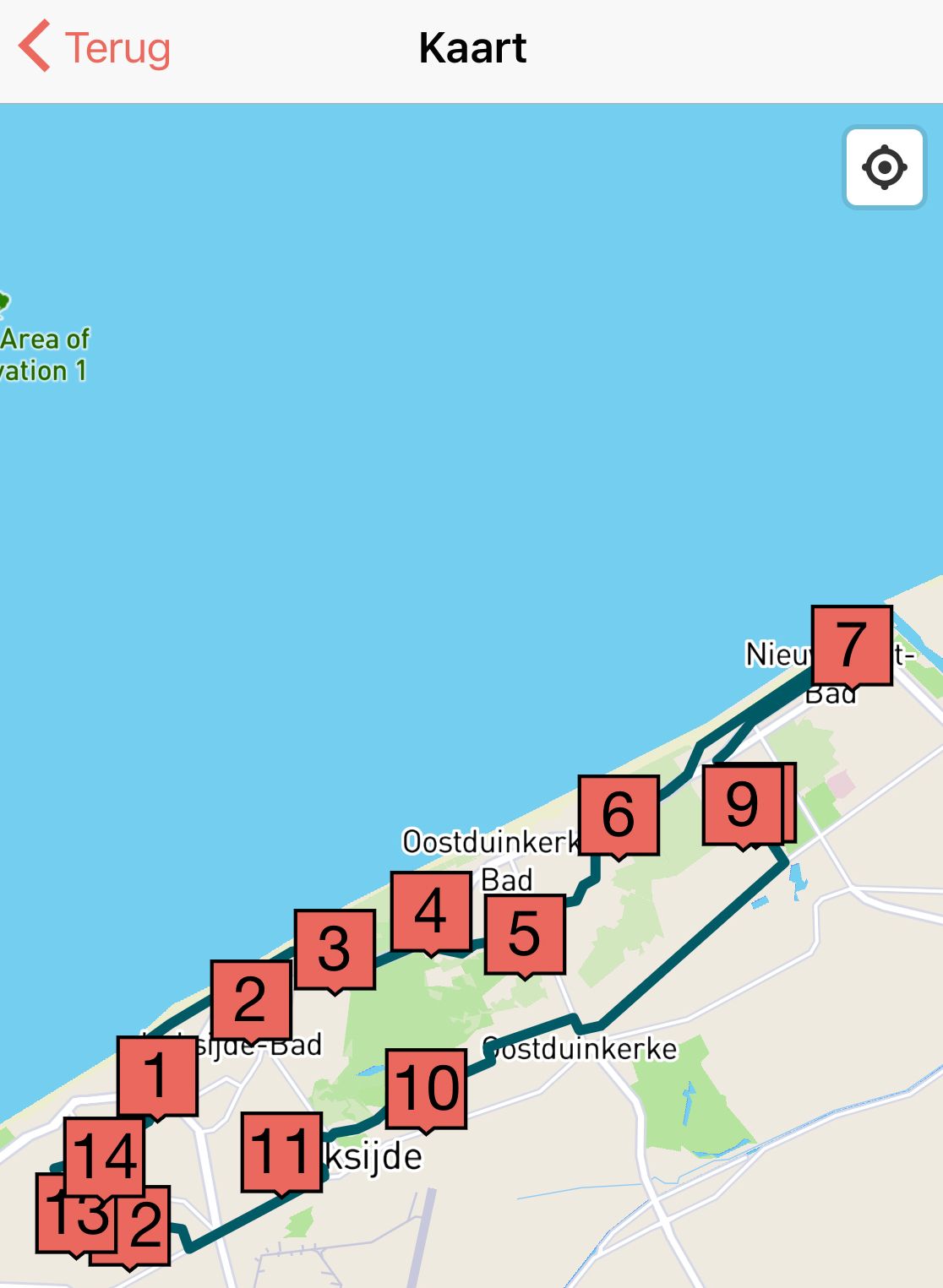
To get a complete picture of the holiday camps, the tour covers 26 kilometers and passes no fewer than fourteen sites. Each colony looks different and has its own unique history, which is vividly reconstructed through photographic material, a sketch of the historical context, and the testimonies mentioned above. If you only want to (re)discover one of these colonies, you can of course visit just that point using the app.
At the end of the tour, you hear a testimony from a local resident who describes the children from the colonies as "neat and well-behaved." When I ask my uncle, a native of Pannema, how he experienced the colonies in his area, he tells me that as a child he couldn't comprehend that many of the holiday guests were seeing the sea for the first time. When he asked a colony child about this, the child replied, "And you? Have you ever seen the Kempen?" Next stop with the ErfgoedApp: the Kempen, perhaps.
Practical
Would you like to explore Everyone to the Sea! Holiday Camps in Koksijde and Nieuwpoort? Download the ErfgoedApp the App Store or Google Play and download the tour.
Credits
This tour is a collaboration between Elise Huughe and Manon Mortier, master's students in History at Ghent University, and the municipality of Koksijde (Culture & Heritage Department & Koksijde Municipal Archives). Thanks go to Martine Vermandere and Amsab-ISG.