Armed with the ErfgoedApp , I ErfgoedApp my time to try out the Ghent Masterpieces Walk. This heritage walk is the result of an initiative by Archief Gent, which takes you on a journey through time based on six masterpieces from the archive. I embark on this fascinating tour with great curiosity.
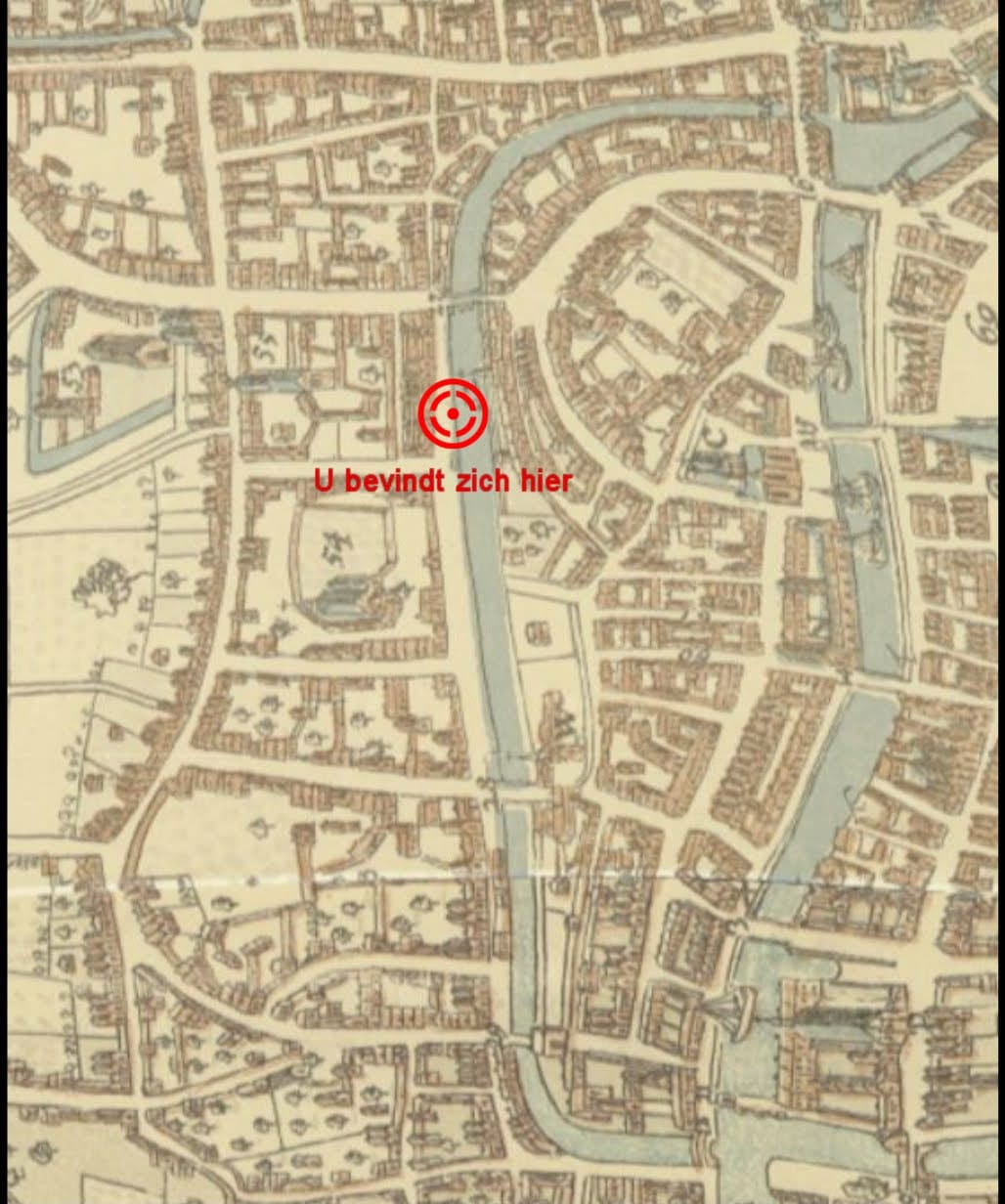
After a short tram ride from the station, we reach our first stop: the Oude Houtlei. This area was first mapped in 1619 by Jacques Horenbault. He created an extremely rare map of the city of Ghent, which is no less than 150 years older than the Ferraris maps. While Ferraris' maps only mapped large parts of the Low Countries for the first time in the last quarter of the 18th century, there is an even older source for Ghent. Unique!
The Augustinian monks of Ghent
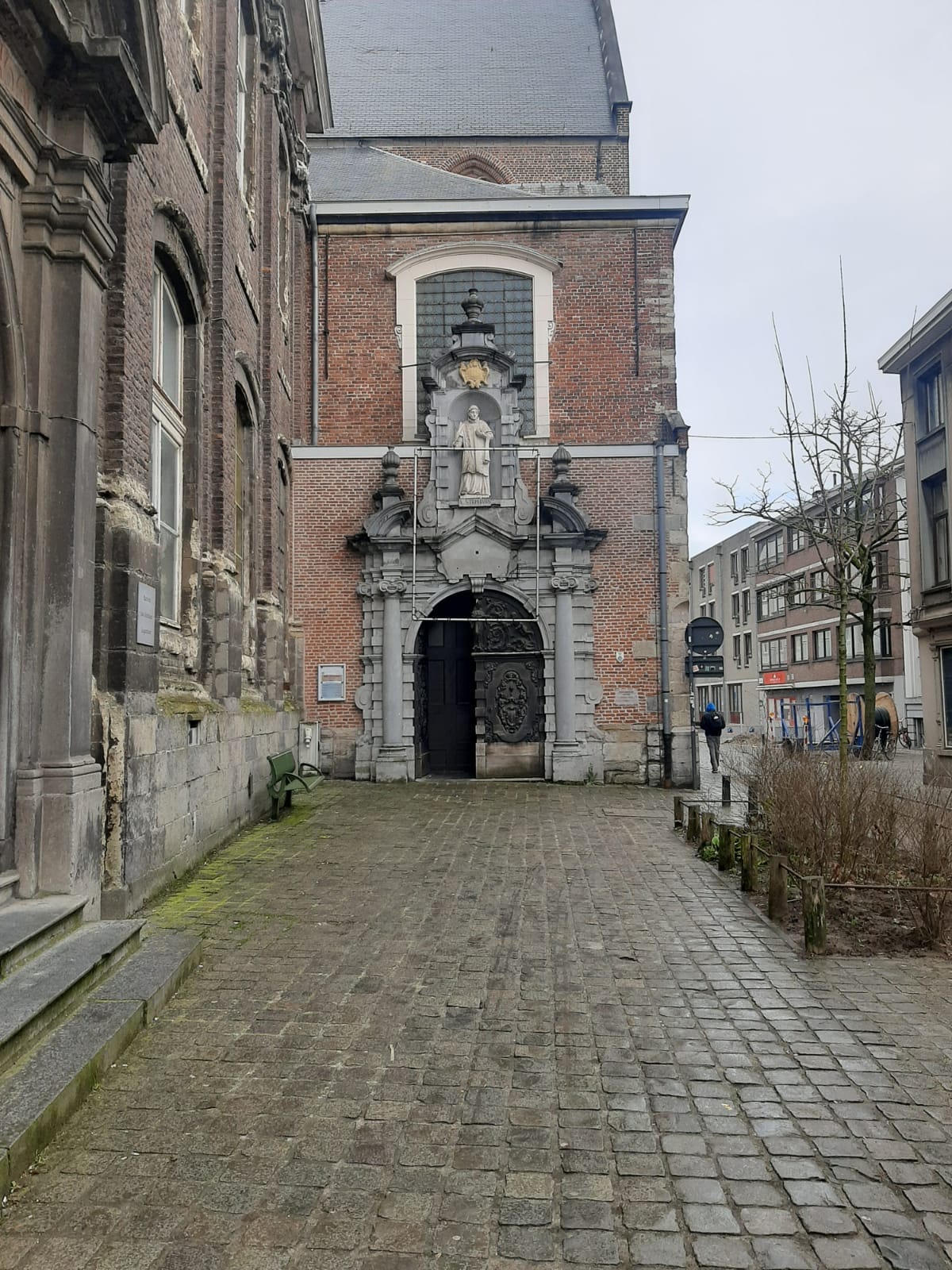
We continue our walk to Sint-Margrietstraat, home to the Augustinian monks since the 13th century. The oldest masterpiece in the Ghent Archives is a collection of pen drawings by Arent van Wijnendale, a renowned 16th-century painter from Ghent. The drawings are an important source of information about Catholic architecture before the Iconoclastic Fury.
In the 1560s and 1580s, Protestant rebels destroyed many Catholic properties, resulting in the loss of much information from that period. The monastery in Margrietstraat was also not spared, but after a 20-year hiatus, the monks returned to the site in 1606. They continue to live there to this day.
Unique facade drawings
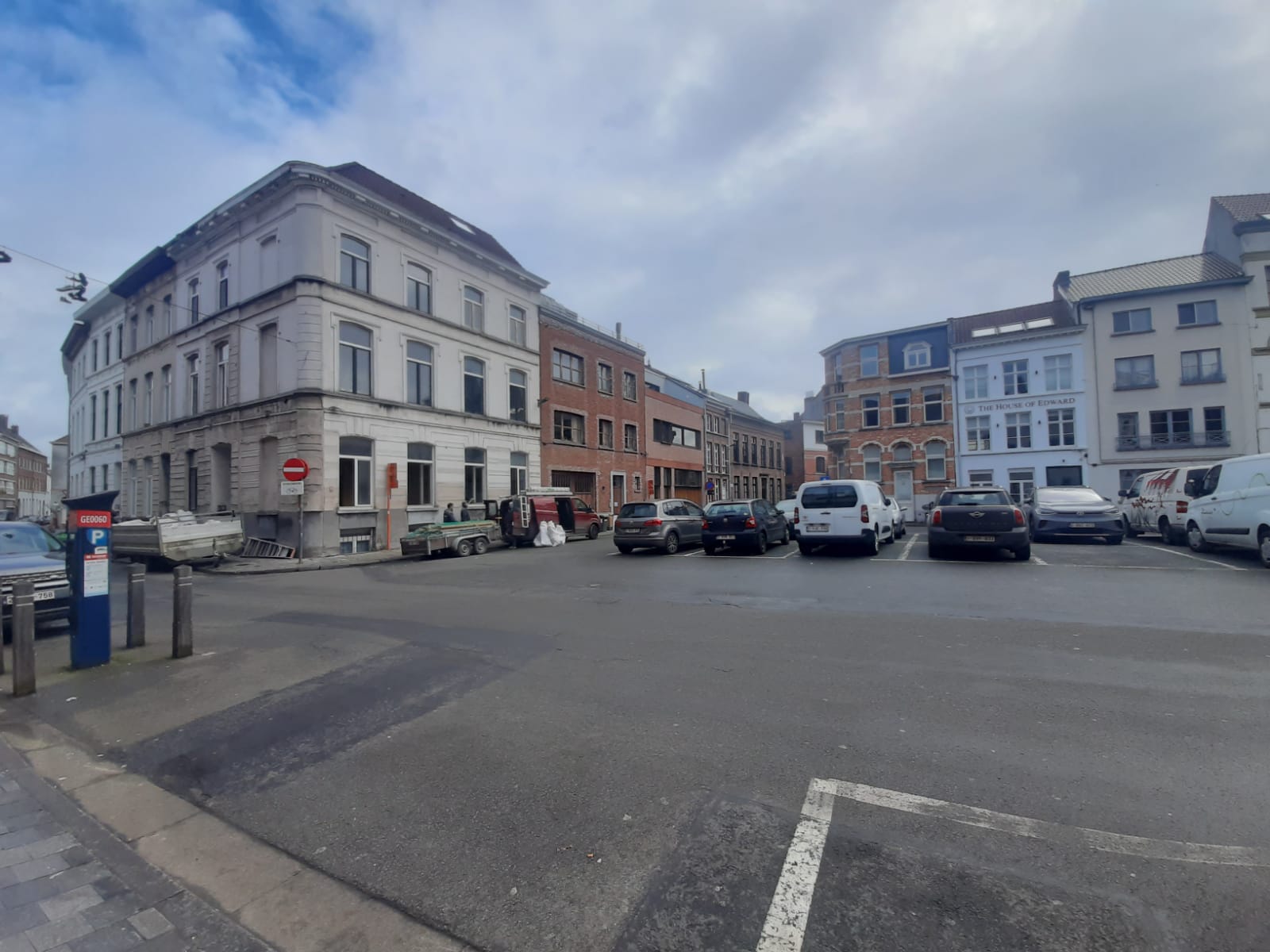
After a beautiful route through the oldest part of Ghent, we reach the middle of the walk at Edward Anseeleplein. Here we learn that the Ghent archives hold some 3,400 old architectural drawings of the city's facades. The size and age of the collection (dating from the period 1671-1795) make it a real gem.
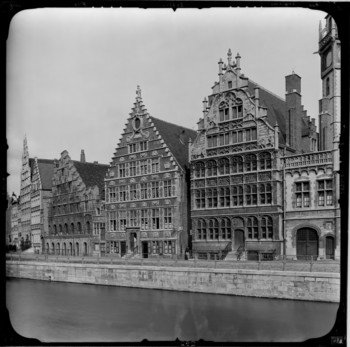
In the ErfgoedApp , I ErfgoedApp at the old café 'In de Dubbele Deur', half of whose original building is still preserved. There used to be a building on the square designed by architect Peter de Meyn. Not only has the original architectural drawing of the facade been preserved, but also the wooden facade itself. You can view it at the STAM.
German propaganda photos
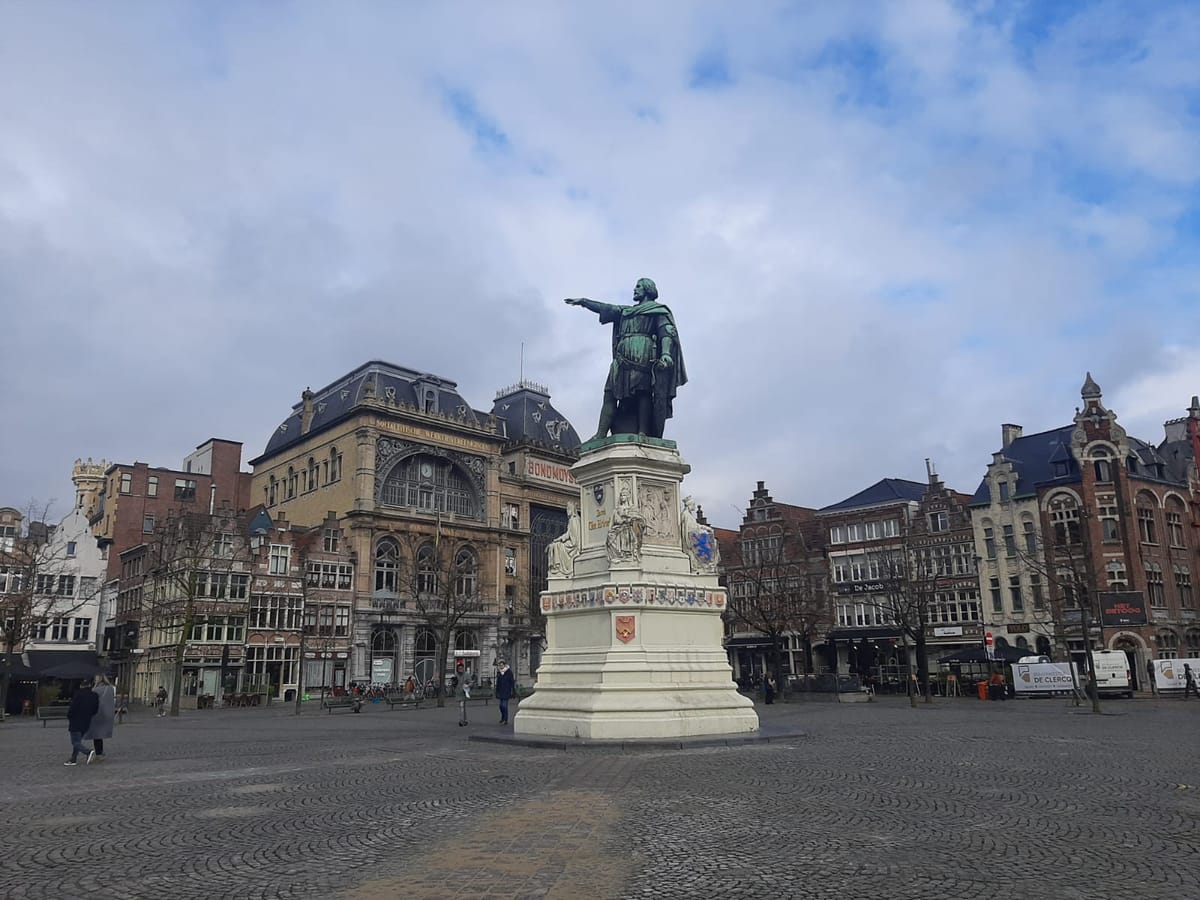
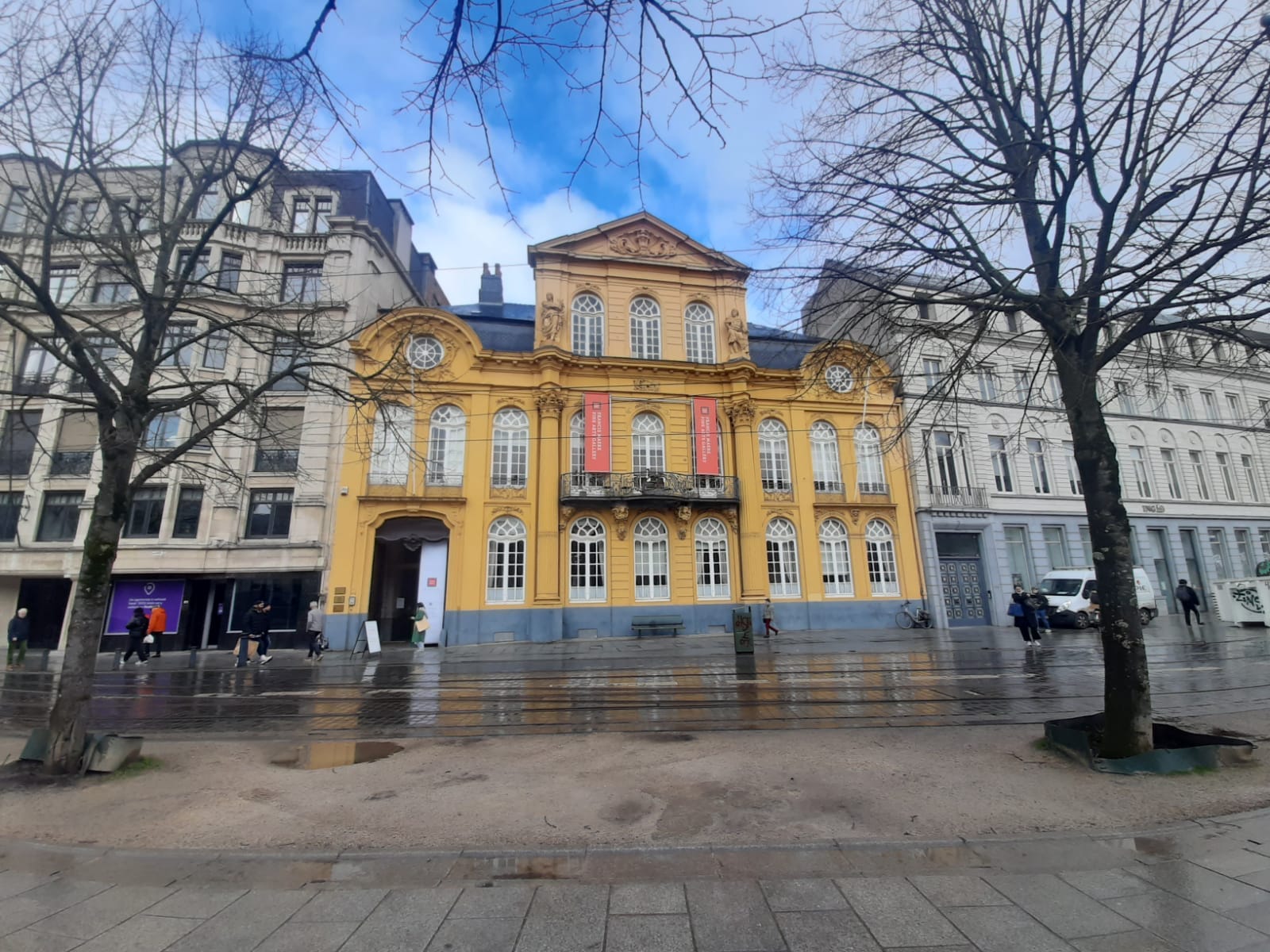
After a well-deserved stop at a café on Vrijdagmarkt, we continue our walk towards Kouter. Here we see the Falligan Hotel, which housed the German Kommandantur during the First World War. The highest German military authorities regulated military and, to some extent, civilian life in occupied Belgium from here.
During the war, the occupying forces published a Kriegsalbum from this building, an album of photographs depicting the lives of German soldiers in Belgium. It mainly shows cheerful groups of people and technological marvels: propaganda for the home front. This album from 1916 has been preserved and is the most recent addition to the archive's collection of masterpieces.

Has this fascinating tour piqued your interest? Be sure to download the ErfgoedApp, start the masterpieces walk, and explore Ghent's history for yourself. For those who want to know more about the impressive Kriegsalbum, Archief Gent has put together a separate walk that takes you through this special photo album. It's a great opportunity to explore even more hidden stories and heritage.
 ErfgoedApp
 ErfgoedApp