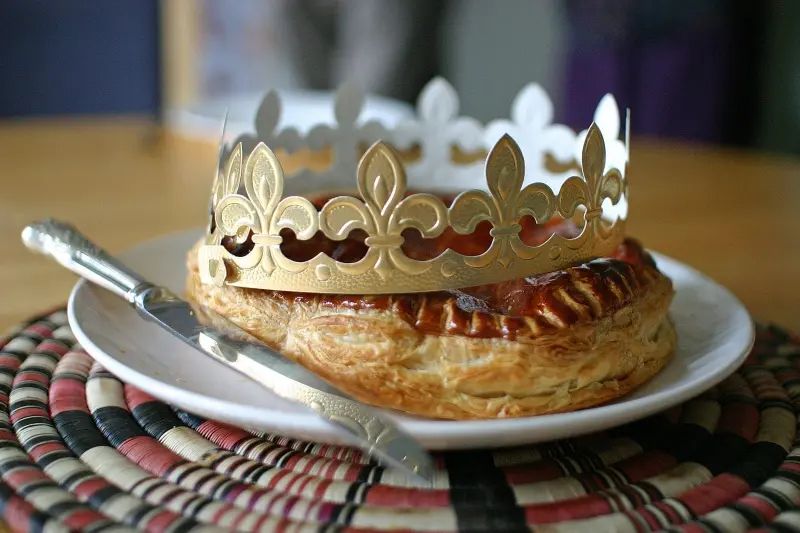
Ever since the Middle Ages, parents and bakers in Flanders have been baking a special cake for the Feast of the Epiphany on January 6, hiding a dried bean inside it. Whoever finds the bean in their piece of cake is crowned king or queen for a day. He or she is given a paper crown and gets to decide how the rest of the day will unfold.
Until the early 20th century, sweet treats were a luxury reserved for the wealthy. In addition to sugar, chocolate and exotic fruits such as oranges were also very expensive for a long time.
Moreover, ordinary people viewed sweets as “effeminate.” Even when sugar prices fell at the end of the 19th century, it took several advertising and government campaigns to boost consumption. These campaigns emphasized sugar’s high energy content and its benefits for the hardworking, ordinary man.
In the 19th century, the middle class saw an important role for housewives: they were expected to keep everyone at home by providing good food. When industrial workers went on strike in Hainaut in the late 19th century, the governor of that province saw the solution in… cake! The strikers’ wives were told to learn how to bake cake. That way, husbands and children would be content, find comfort at home, and not cause any trouble on the streets or in the cafés.
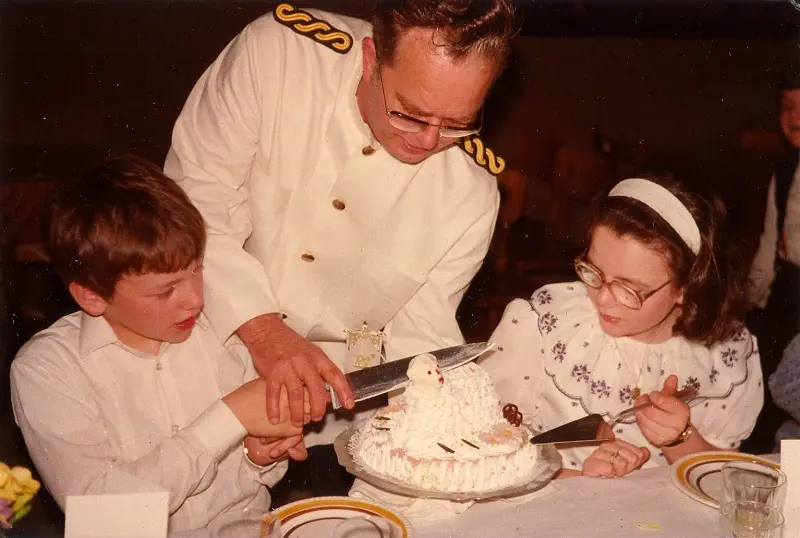
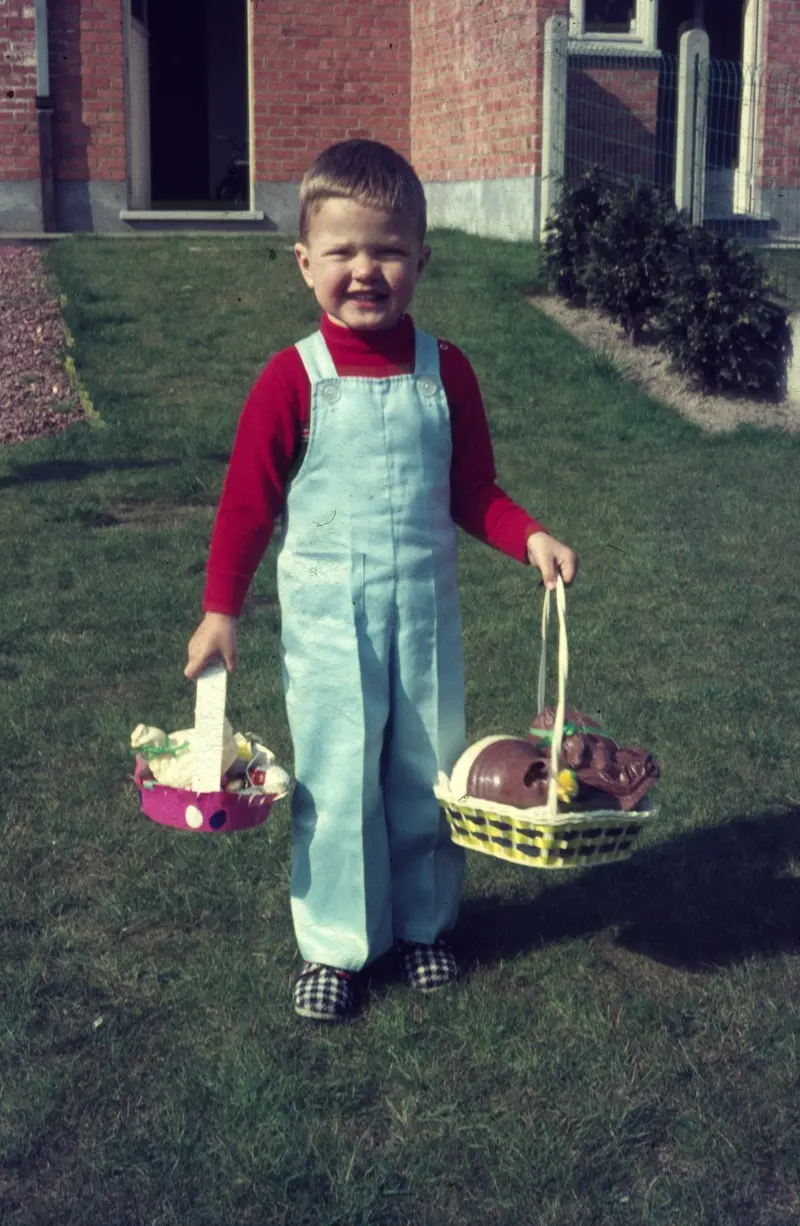
Starting in the 1920s, no celebration or special occasion was complete without sweets: Yule log at Christmas, a lamb-shaped ice cream cake for First Communion, sprinkles for Sinterklaas or Carnival… Throughout the year, pastries and sweets mark the important moments in a person’s life.
This story was created by Geheugen Collectief for FAAM – Virtual Museum.
 ErfgoedApp
 ErfgoedApp
 ErfgoedApp
 ErfgoedApp
 ErfgoedApp