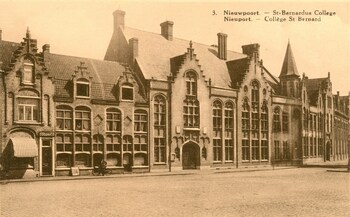
When the guns fell silent on November 11, 1918, after four years of war, large parts of Belgium lay in ruins. Nearly 100,000 homes had been destroyed or rendered uninhabitable, more than half of them in West Flanders.
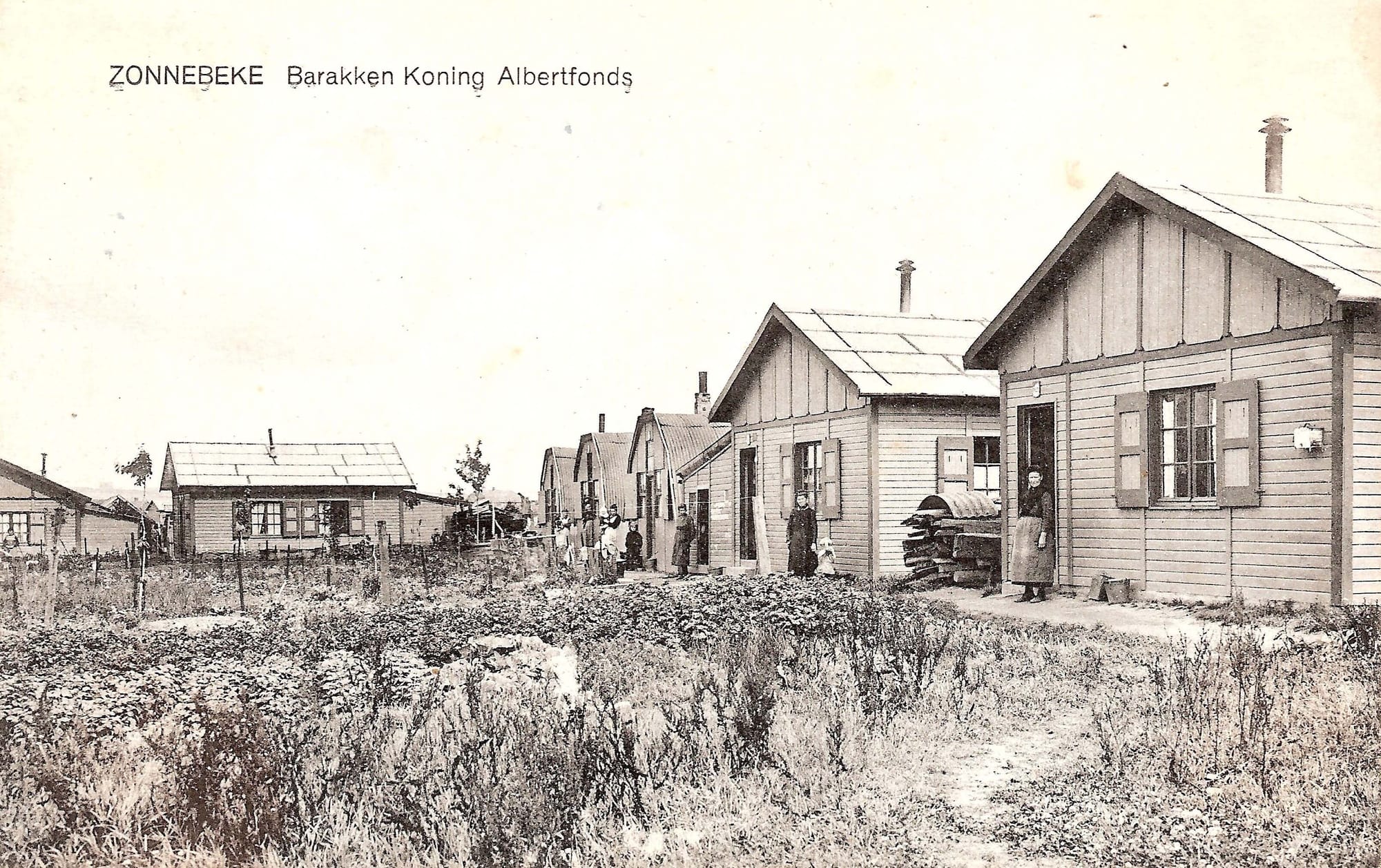
The housing shortage is particularly severe in the Westhoek region. The King Albert Fund, established during the war, provides citizens in need with wooden emergency housing: barracks that they can rent at low cost or purchase as DIY kits.
But public buildings—and even entire cities or towns—must also be rebuilt. Architects and policymakers face a choice: will they continue to use historical or regional architectural styles, or will they seize the opportunity to innovate radically?
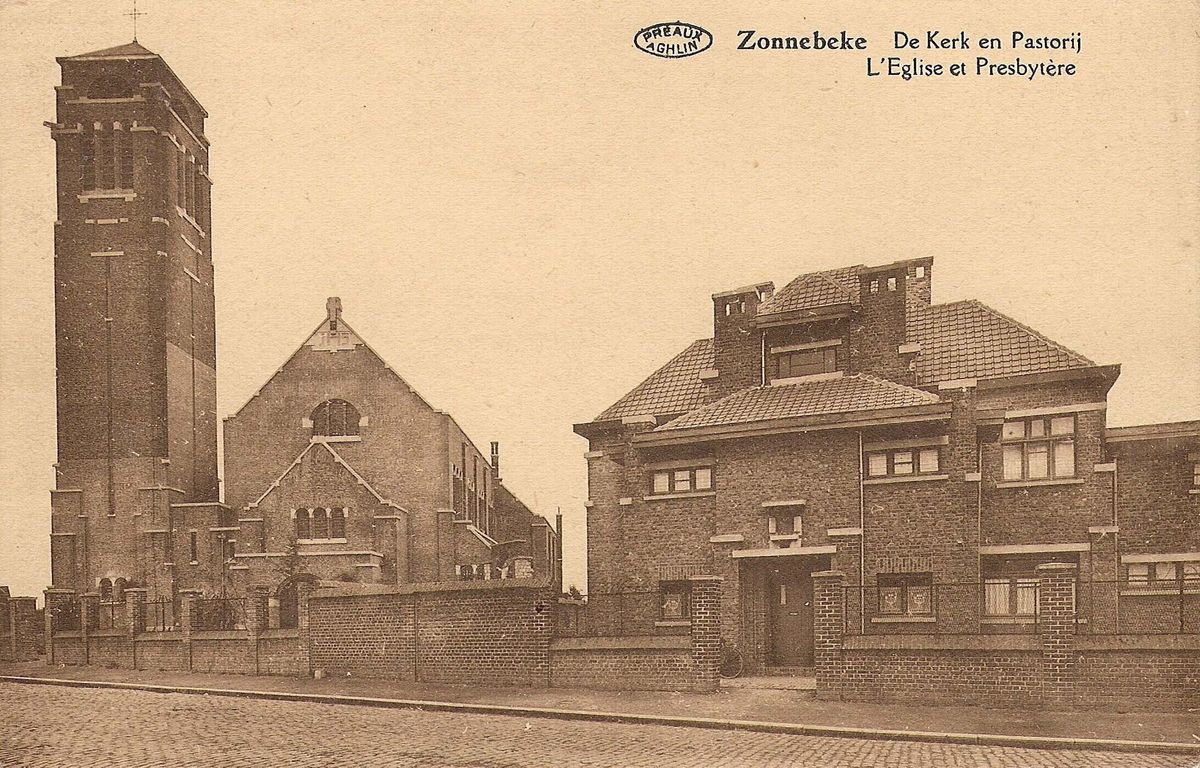
Bruges architect Huib Hoste is one of the advocates of renewal. In Zonnebeke, he is rebuilding the destroyed Church of Our Lady and the rectory in a modern, understated style. But not everyone agrees with this, and in other places, officials are resolutely opting for a return to the past.
Even more treasures to discover
Want to see more? Be sure to check out these stories and tours in the ErfgoedApp:
 ErfgoedApp
 ErfgoedApp
 ErfgoedApp