In the 1960s, progressive young people wanted to break away from their parents’ traditional society. They rebelled with their casual clothing and loud music.
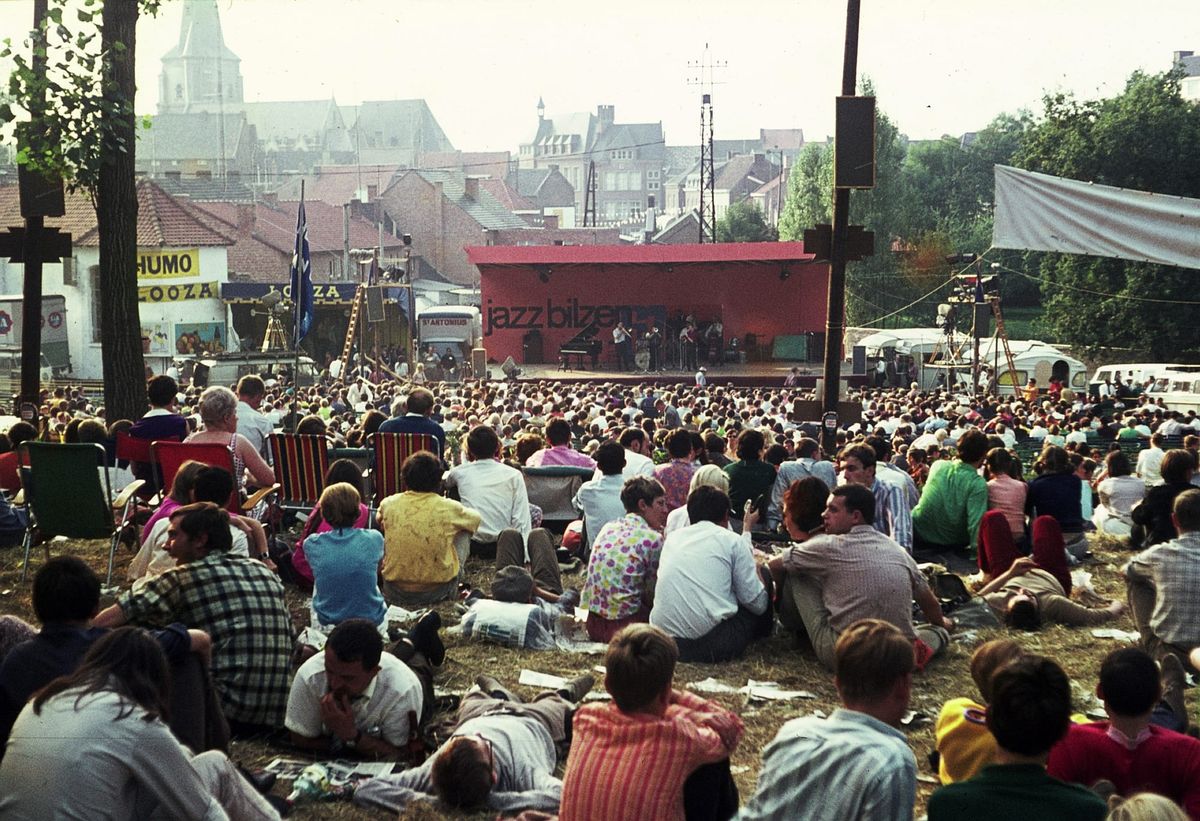
Abroad, young people began gathering at music festivals. Belgium soon followed suit. The first festival was Jazz Bilzen, held in a quiet village near Hasselt. After its inaugural edition in 1965, the musical lineup expanded to include rock, pop, and folk. Partly due to poor organization, the festival came to an end in 1981.
The respectable public viewed the new music festivals with suspicion. In 1973, a newspaper described Jazz Bilzen as “Woodstock in miniature.” Even the then-Minister of Justice, Alfons Vranckx, warned that the unrestrained behavior of young people posed a threat to Western culture.
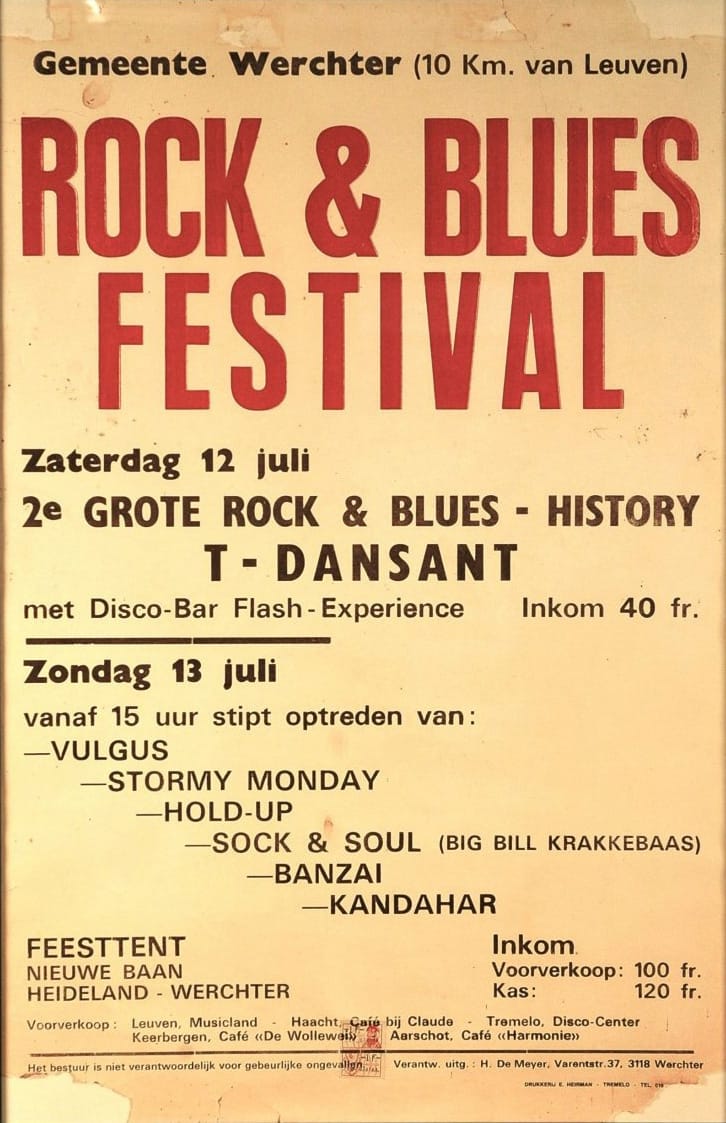
In 1974, the local Chiro organization in Werchter, Brabant, near Leuven, organized the first Rock & Blues Festival. The lineup quickly expanded. In 1977, Werchter and the Woodland Festival in Torhout, West Flanders, joined forces. Together, they were able to attract international bands. In 1999, Rock Werchter went its own way. The musical lineup broadened, ranging from U2 to Lady Gaga. For years now, electronic dance music has also been embraced.
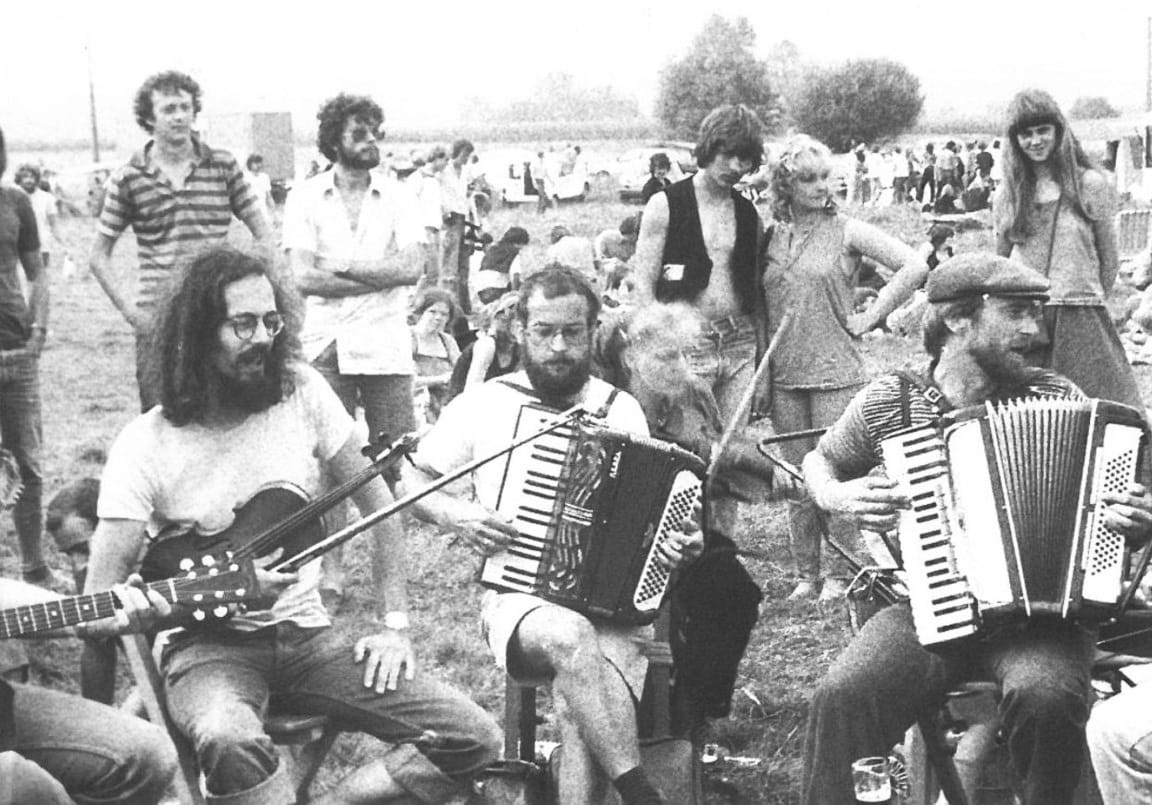
In 1975, the local café chantant De Zon organized the small-scale Festival Dranouter. This cozy folk festival took place on a school playground in Dranouter, in the Heuvelland region. Food and drinks were available, as well as dance and music workshops. Camping was free. There was even a daycare center for young parents. Today, Dranouter has grown into the most important folk festival in Europe.
Along with the Tomorrowland dance festival in Boom, Rock Werchter and Folk Dranouter draw more than half a million young people (and some older folks) from all over the world to Flanders.
This story was created by OKV for FAAM - Virtual Museum.
 ErfgoedApp
 ErfgoedApp