't Grom (Vegetable Museum) in Sint-Katelijne-Waver has reawakened from its annual hibernation since February 15. You can learn everything about the history of the heritage site and about local and Belgian agricultural culture, including via the audio guide available in the ErfgoedApp.
The audio guide is included with a valid museum ticket. Upon arrival, simply scan the QR code at the entrance to start the tour. You will also receive a handy overview map of the outdoor areas to help you find your way around.
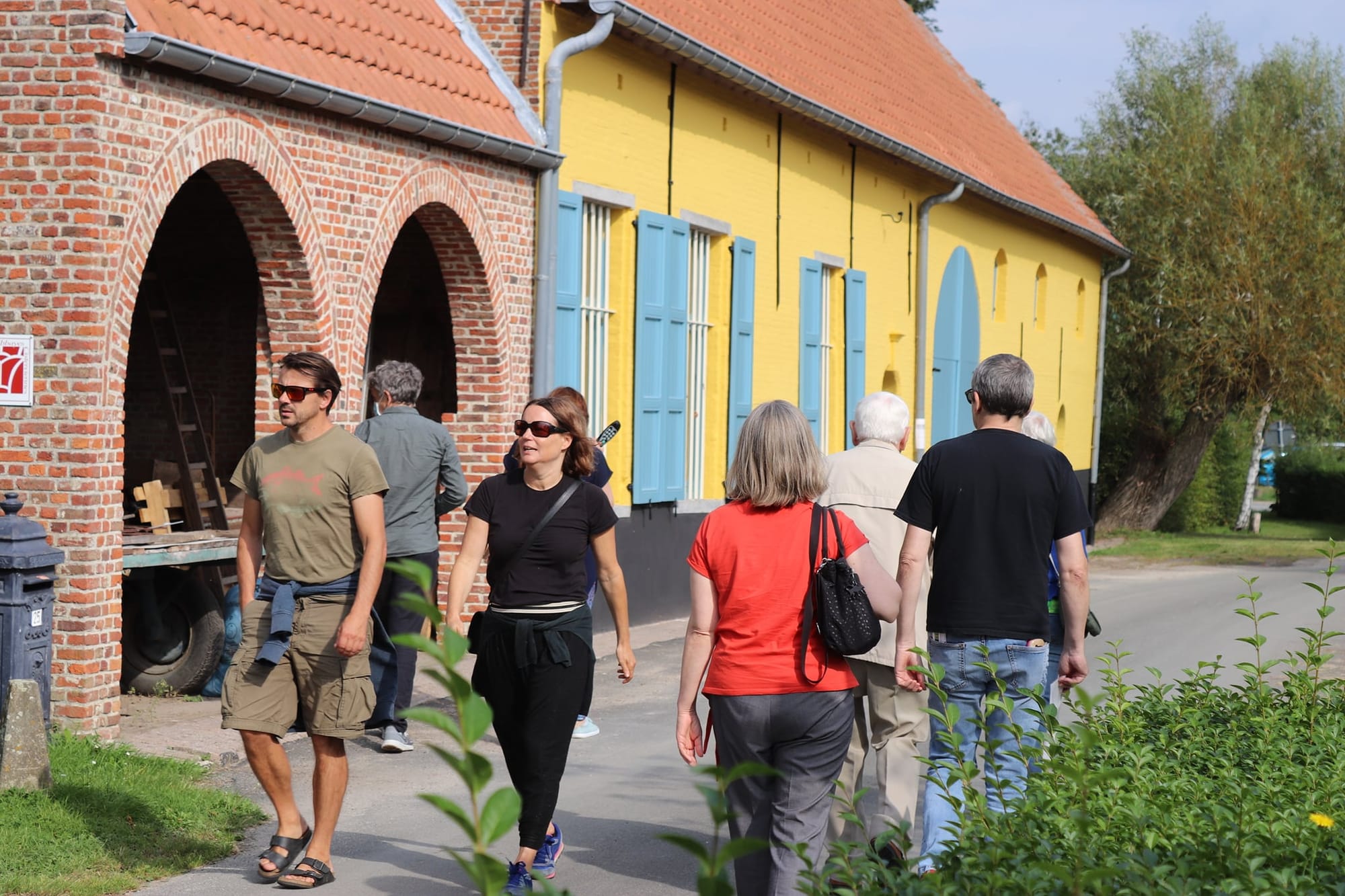
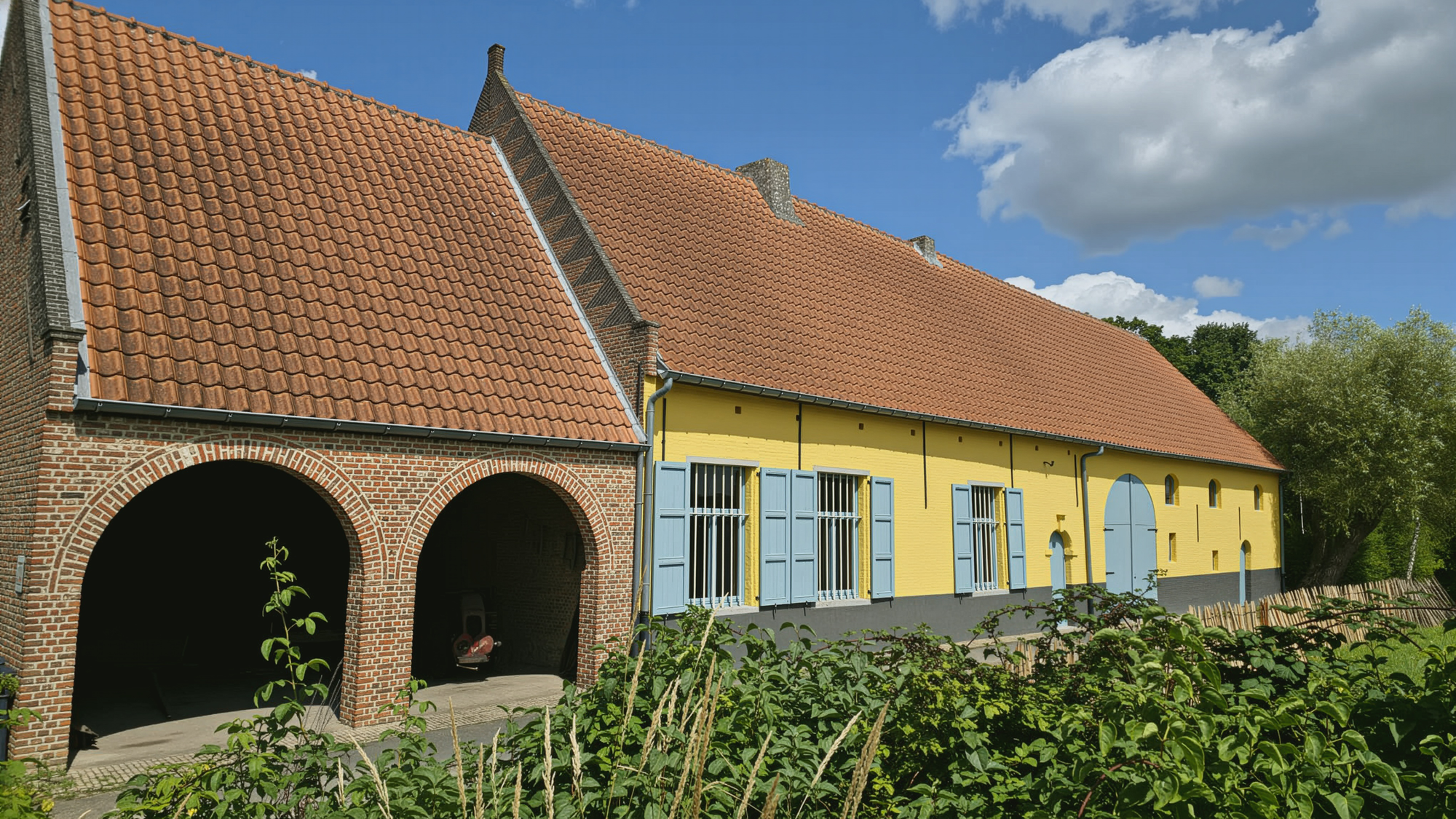
The site where the museum is located has been around for several centuries, and you notice that immediately upon arrival. The farmhouses exude history. Fortunately, there are two characters in the audio guide who bring that history to life with great enthusiasm. Farmer Achiel and Abbess Agnes take you through the story of 't Grom. Achiel talks about farm life and crafts, while Agnes discusses the historical background of the buildings and the influence of the nearby Cistercian abbey.
Farms have stood on this site since the 15th century. Several farms were built in the area on behalf of the nearby Roosendael Abbey. The farmers worked for the abbey and cultivated the land that belonged to the abbey domain. The abbey provided accommodation and infrastructure, while the farmers were responsible for the harvest. In exchange, they paid part of their yield to the abbey. This collaboration was beneficial to both parties: the abbey secured food and income, and the farmers had access to land and a certain degree of security.
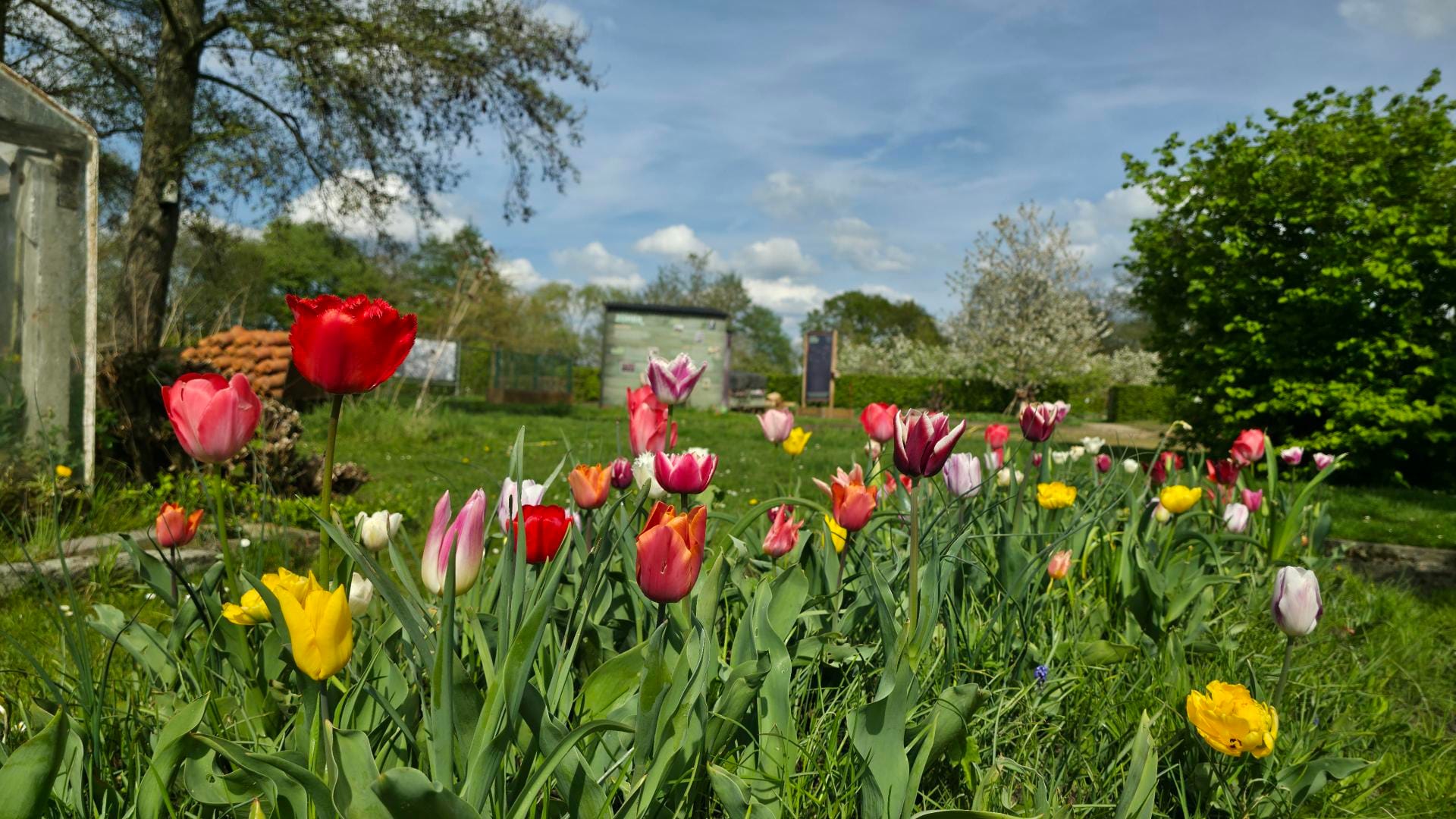
There is also plenty to discover outside the museum buildings. You can stroll around the surrounding vegetable gardens and learn about the history of vegetable cultivation. The gardens are completely surrounded by hedges and are divided into four historical themes: Charlemagne's garden, a formal Renaissance garden, a typical Mechelen vegetable garden, and a contemporary pick-your-own garden.
Every garden has its own layout and specific plant species that suit its period and function. In the Mechelen garden, for example, Achiel explains that the raised beds were a practical solution for the heavy clay layer that lies deep in the soil in this region.
Once you are inside the museum, the use of the app changes. Outside, you are guided by GPS points that your smartphone recognizes, but inside, you use the scan function on the numbered pictures scattered throughout the rooms. This ensures that you always listen to the correct audio clip.
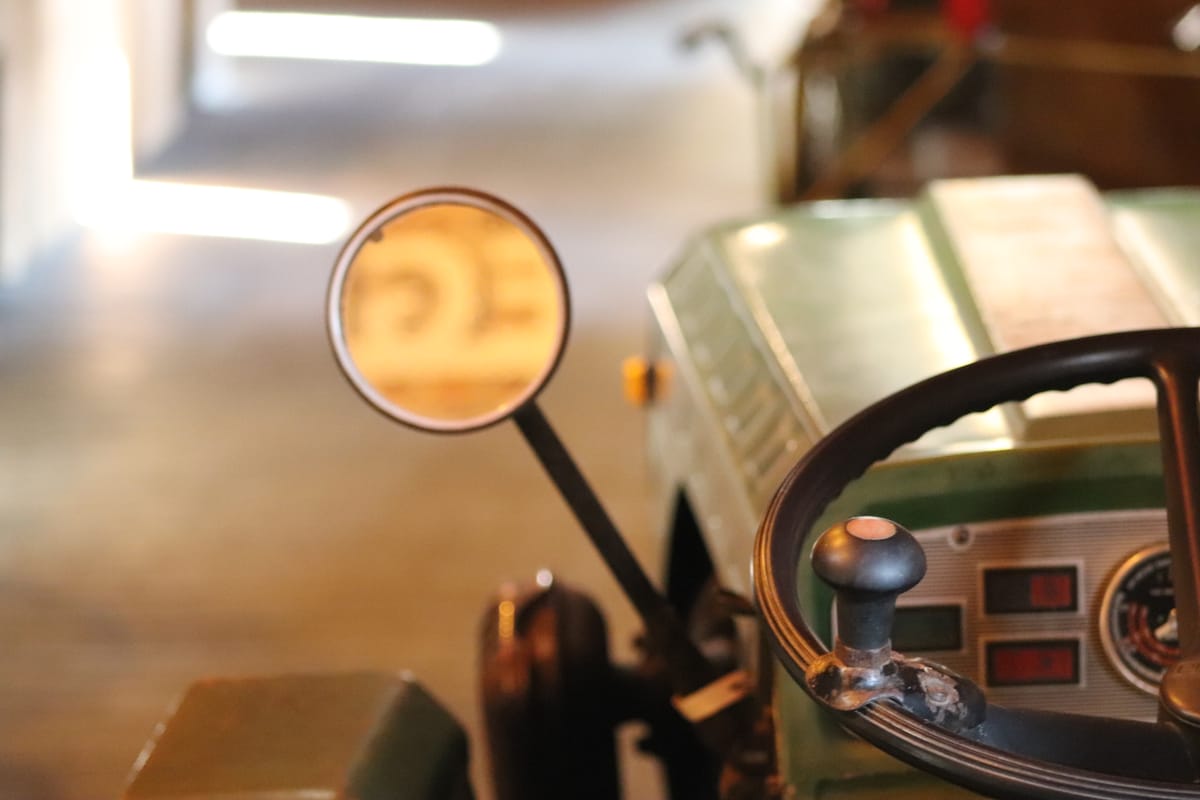
The hill in the middle of the central space is a real eye-catcher. You will soon discover that there is a lot more to explore inside with the ErfgoedApp. You can learn more about agricultural tools, the interaction between agriculture and various wild animals, traditional working methods, and the emergence of more industrial installations. Scattered throughout the space are numerous heritage objects that are given extra context via the app.
Ever heard of a punch hole machine? Neither had we, but there's one on display. The inventor of this agricultural tool tells you all about it via the app.
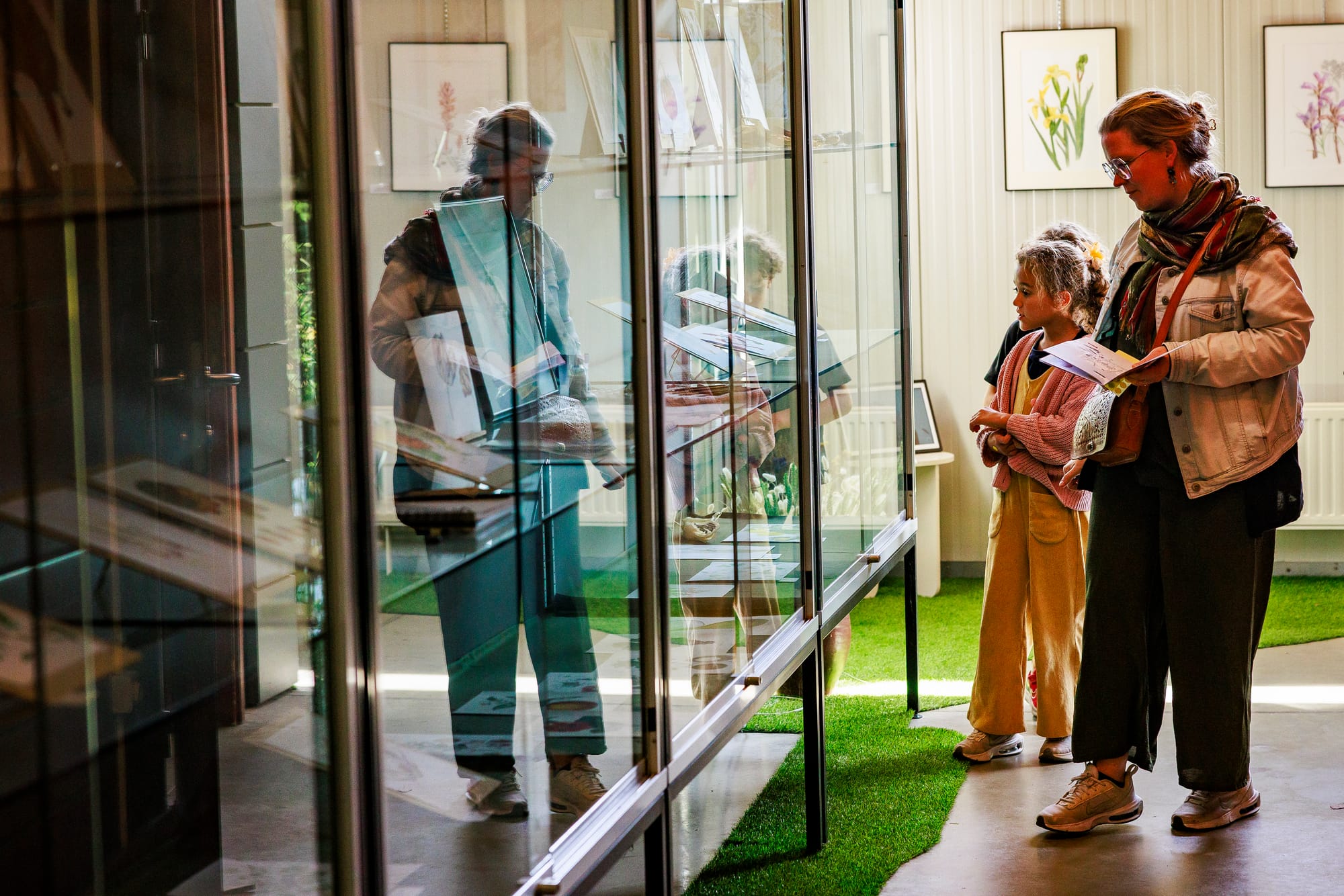
The Vegetable Museum in Sint-Katelijne-Waver has much more to offer for young and old alike. Those who are particularly interested in the museum collection and the historical background of the site will certainly benefit from having the ErfgoedApp their pocket.
Curious? You can find more practical information about visiting the museum on the 't Grom website. The tour itself can also be found on the ErfgoedApp website.
 ErfgoedApp