Limburg and cycling: it’s now almost impossible to think of the two separately. The province has become one of the most beautiful cycling regions in Europe, with hundreds of kilometers of well-maintained bike paths, peaceful routes, and surprisingly varied landscapes. From vast heathlands and fruit orchards to charming villages and impressive heritage sites: a new story awaits around every bend.
The fact that Limburg is such a popular cycling destination today is largely thanks to the cycle junction network, which has its roots in Limburg. It quickly became a model for cycling regions both at home and abroad. Thanks to the numbered junctions, you can easily plan your own route and cycle from point to point without complicated maps or route descriptions.
Bicycle Junctions in the ErfgoedApp
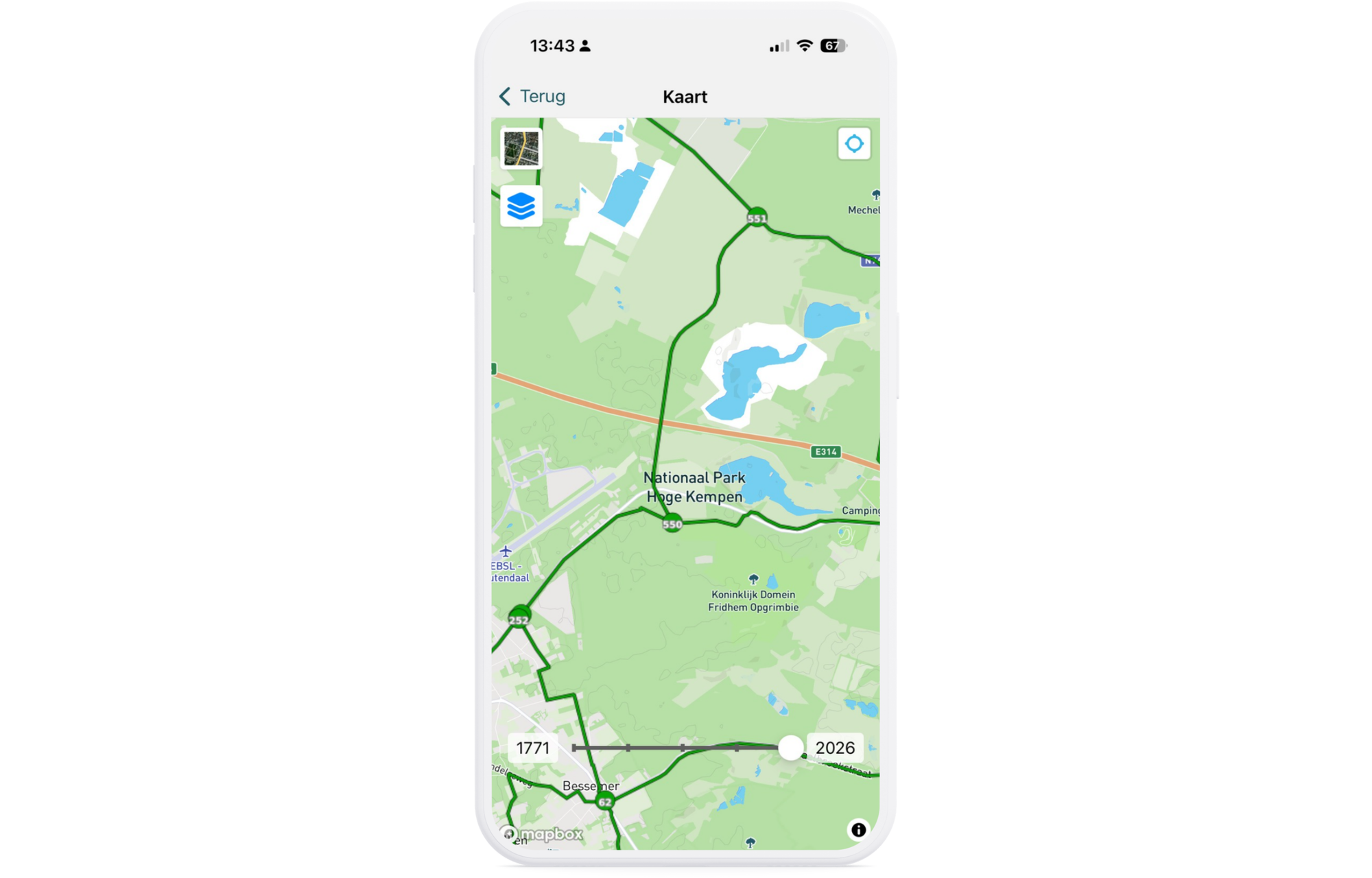
You ErfgoedApp also use the familiar cycling junction network in the ErfgoedApp . You can easily activate the cycling junctions as an additional map layer via the map. Open the map, select“Map Layers,” and turn on the“Cycling Junctions”layer. The junctions will appear immediately on the map, so you can easily plan, follow, or adjust your route along the way. With the ErfgoedApp , you don’t ErfgoedApp constantly look at your smartphone (which helps conserve your battery) and you can quickly find a bike-friendly route. The blue dot shows you where you are at all times. Be sure to give it a try.
But the ErfgoedApp much more. The map shows you not only the bike junction points, but also virtually all bike and hiking trails. You’ll also see thousands of heritage sites pop up: from castles, churches, and monuments to chapels, museums, windmills, and historic landscapes. So during your bike ride, you’ll discover not only the most beautiful routes but also the stories that have shaped the Limburg landscape.
Kempen Mill Route
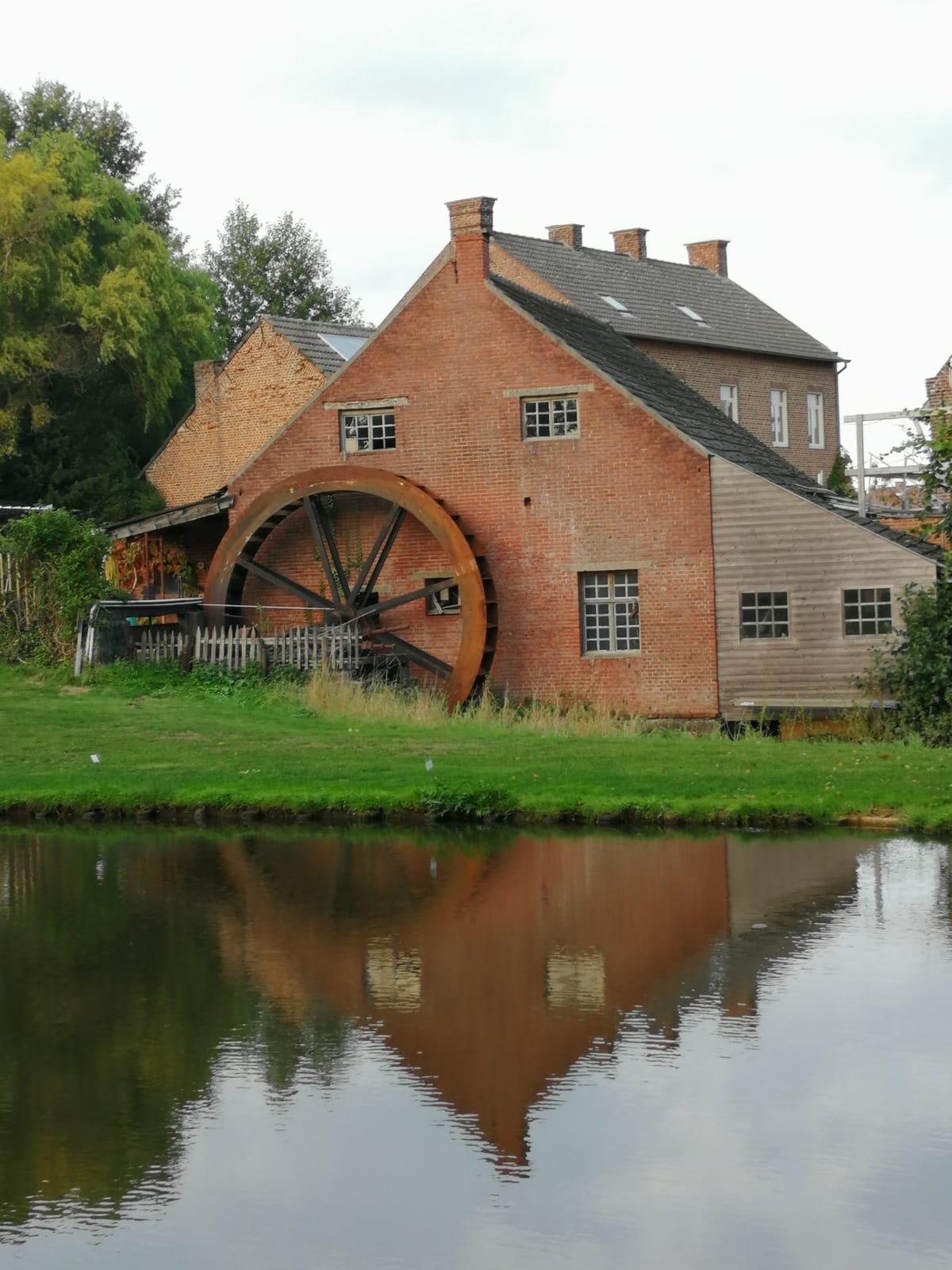
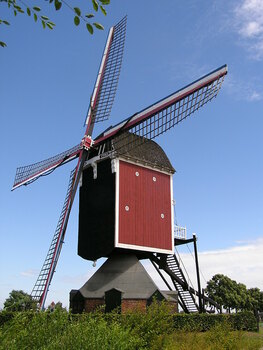
Cycle along the Abeek and discover a landscape of meadows, marshes, and centuries-old mills. Scattered along the route are historic water mills that have been connected to the rhythm of the water for generations, while a solitary windmill serves as a reminder of a time when the wind blew freely across the vast heath.
Along the way, you’ll discover the stories of millers, farmers, monasteries, and lords who helped shape this landscape. An atmospheric journey through the heritage of the Kempen, where nature, history, and mill culture come together.
 ErfgoedApp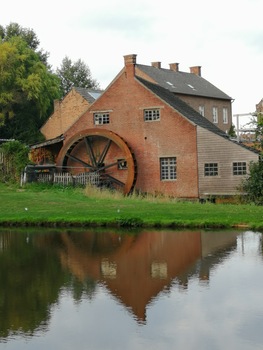
Willems Route (North, Central, or South)
Cycle along theZuid-Willemsvaartand discover the fascinating story of a canal that changed the landscape of Limburg forever. This impressive waterway was dug by hand in just under four years in the early 19th century as a reliable alternative to the often unpredictable Meuse River.
The route follows the canal through a varied landscape and connects three unique nature reserves: theMaas Valley River Park, theHoge Kempen National Park, and theKempenBroek Border Park. Along the way, you’ll pass historic locks, industrial sites, villages, and beautiful natural scenery, while the ErfgoedApp takes ErfgoedApp on a journey through the history of the canal and the people who lived and worked there. A fascinating trip full of stories, heritage, and surprising views.
 ErfgoedApp
 ErfgoedApp
 ErfgoedApp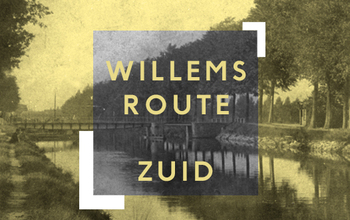
The Great Church Bike Tour through Lanaken
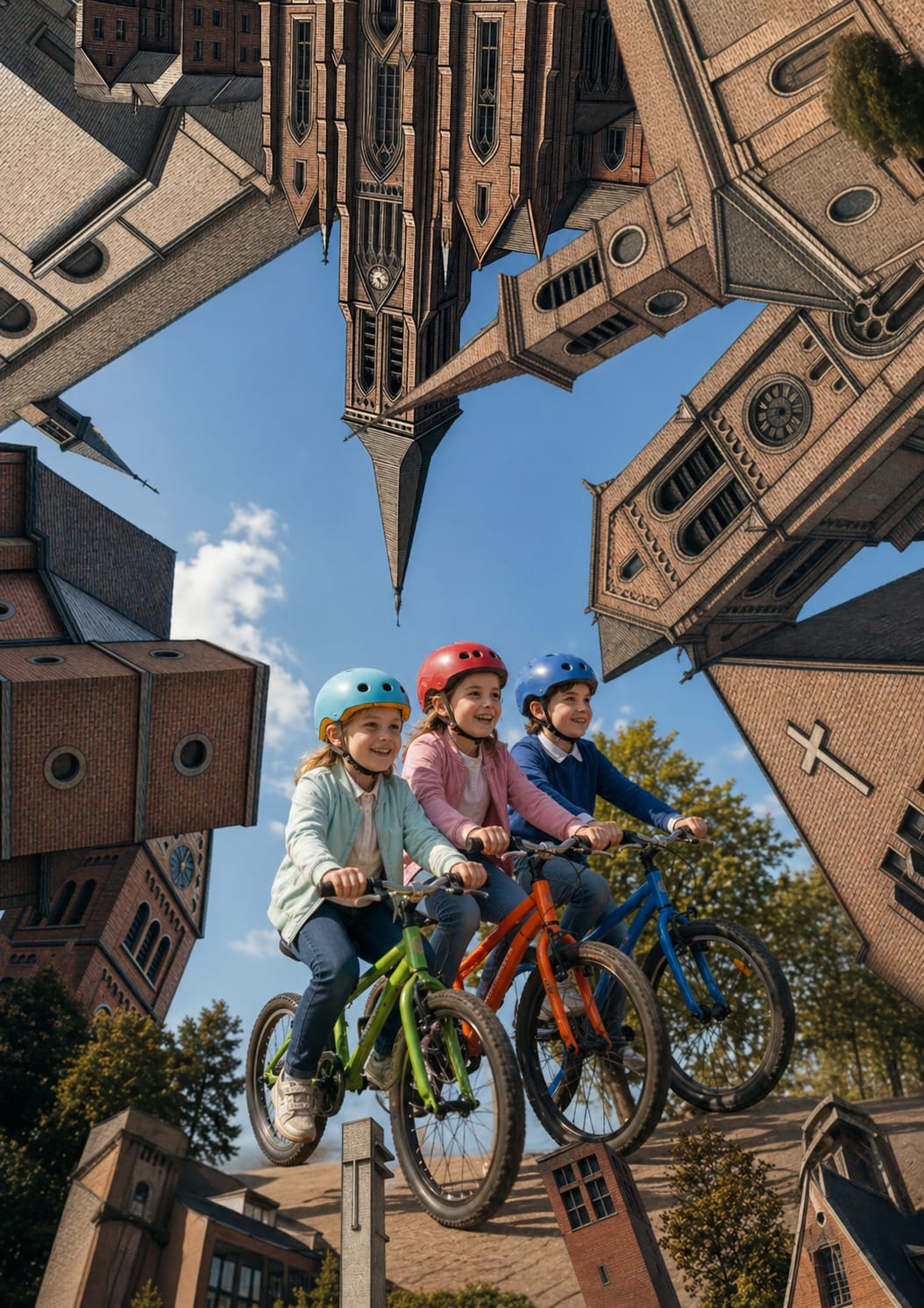
Discover the soul of Lanaken on this bike tour past the many churches and chapels that have shaped the landscape for centuries. From the impressiveSt. Ursula Churchin the center to the charming village churches in the surrounding neighborhoods: each building tells a story about faith, architecture, and local history.
Along the way, you’ll cycle through the green countryside around Lanaken, past the Meuse Valley, and through the village centers of Gellik, Veldwezelt, Rekem, Neerharen, and others. It’s a varied route that effortlessly combines heritage, nature, and tranquility.
 ErfgoedApp
Hedge Mulcher Route
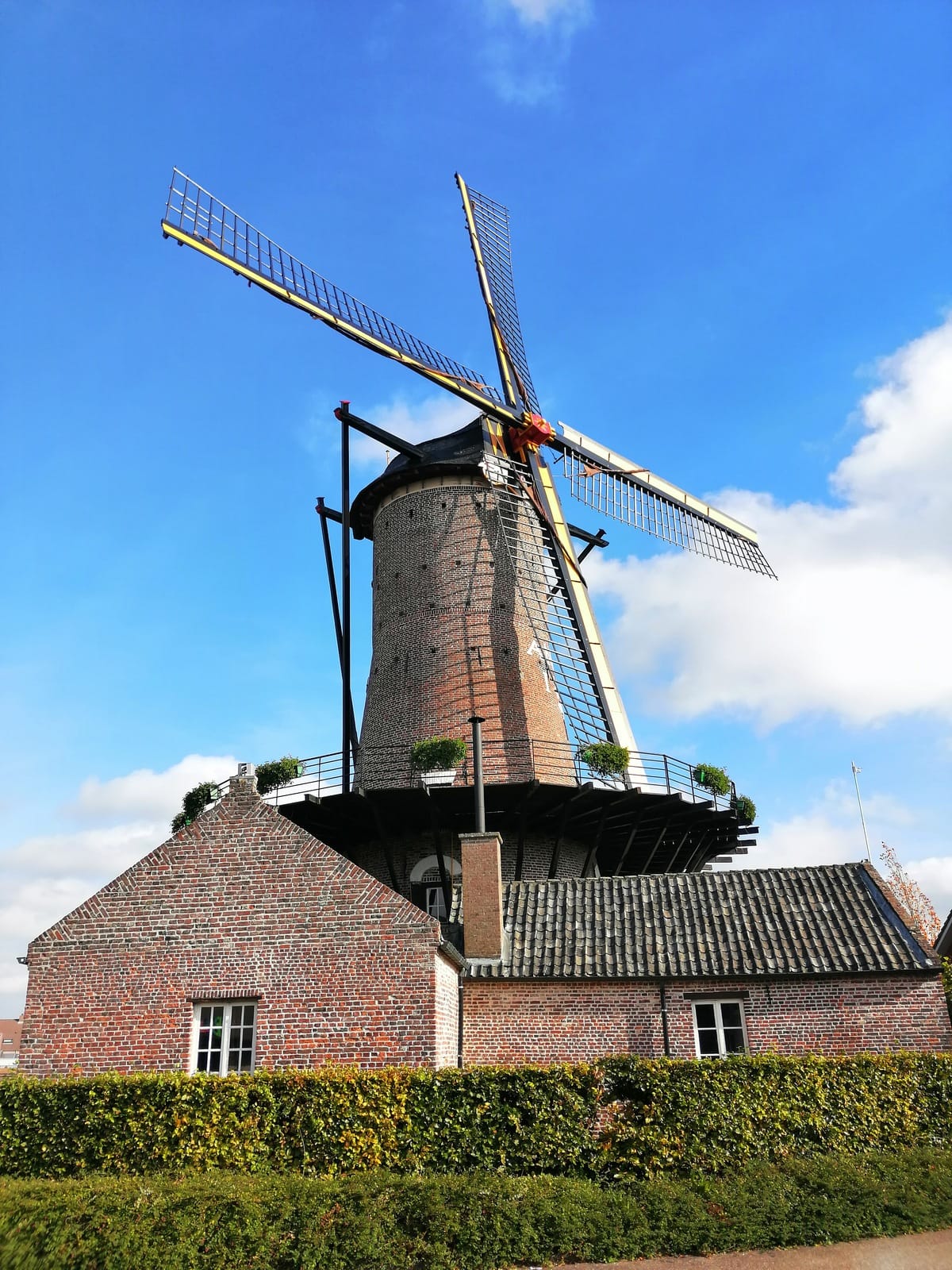
Cycle through the varied landscape of the KempenBroek, past wooded edges, heathland, meadows, pastures, dikes, streams, and canals. Along the way, you’ll follow in the footsteps ofRein de Heggemulder, an itinerant miller who offered his knowledge and craftsmanship at the region’s mills. His stories bring the past to life and introduce you to the people, mills, and landscapes that have shaped this border region for centuries.
 ErfgoedApp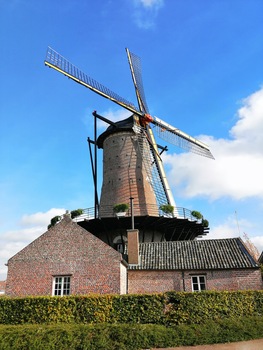
Stories from the soil
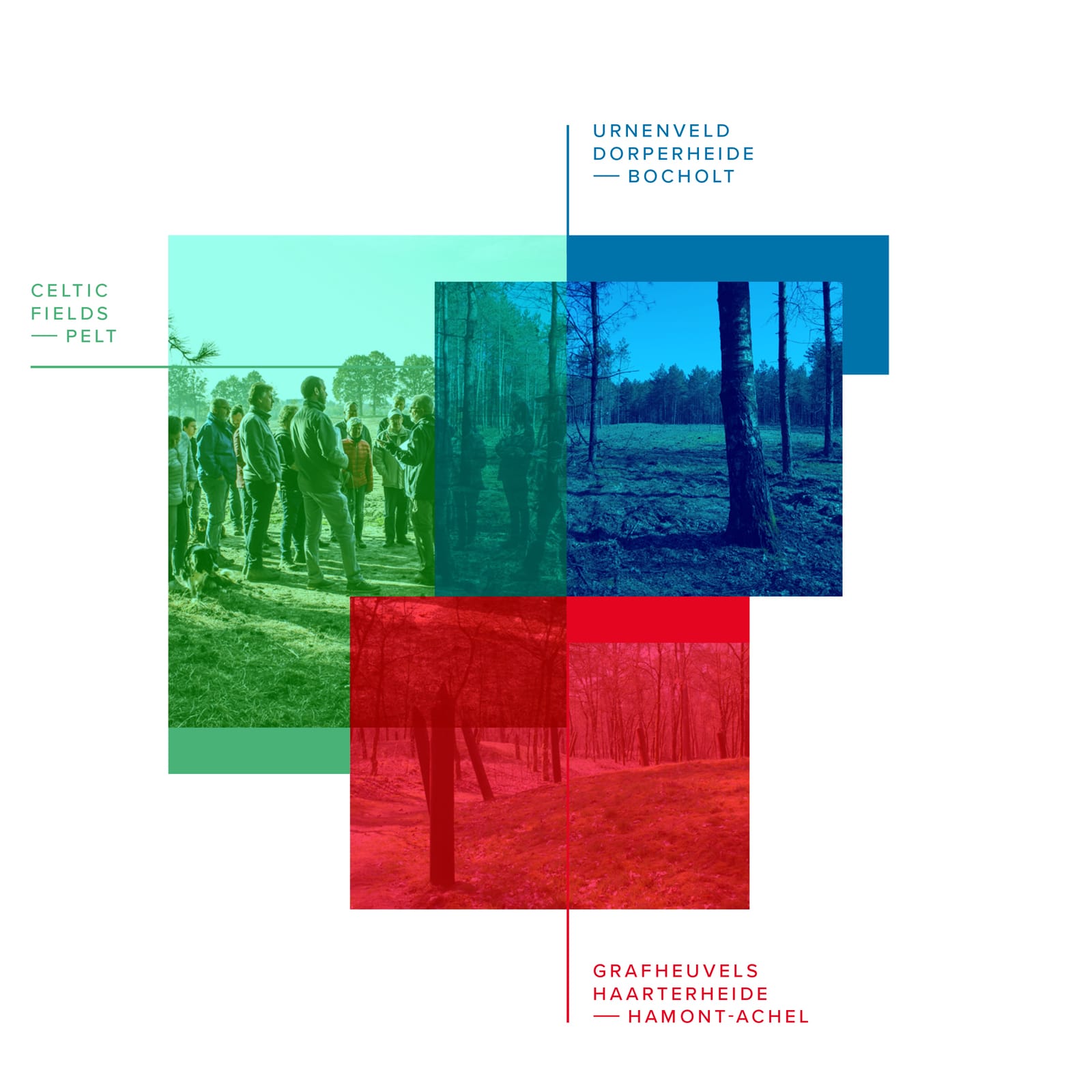
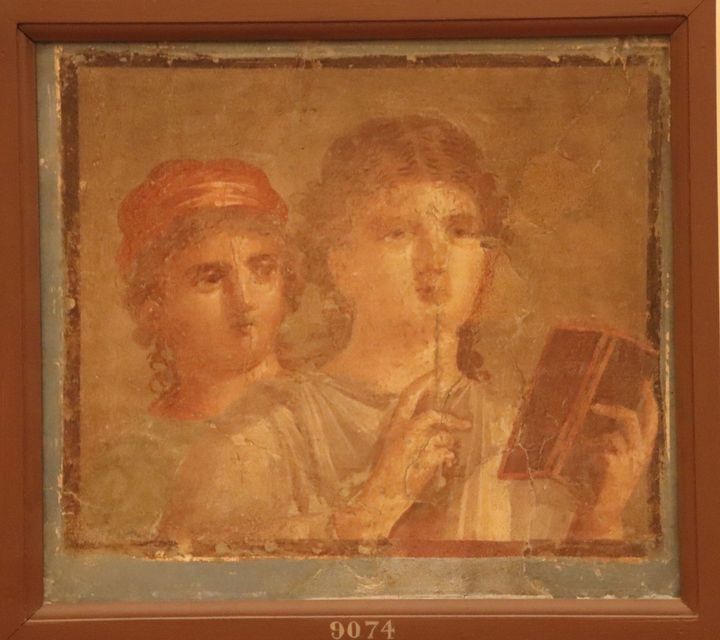
Cycle back to prehistory and discover the hidden past of North Limburg. This route takes you past the archaeological sites of Haarterheide (Hamont-Achel) and Dorperheide (Bocholt), where you’ll learn more about how our ancestors lived and buried their dead. Along the way, you’ll also pass the remarkableCeltic Fields in Pelt, an ancient agricultural landscape that has been preserved underground. Thanks to the stories told by local heritage ambassadors, this archaeological heritage comes back to life.
 ErfgoedApp
Border Mill Route
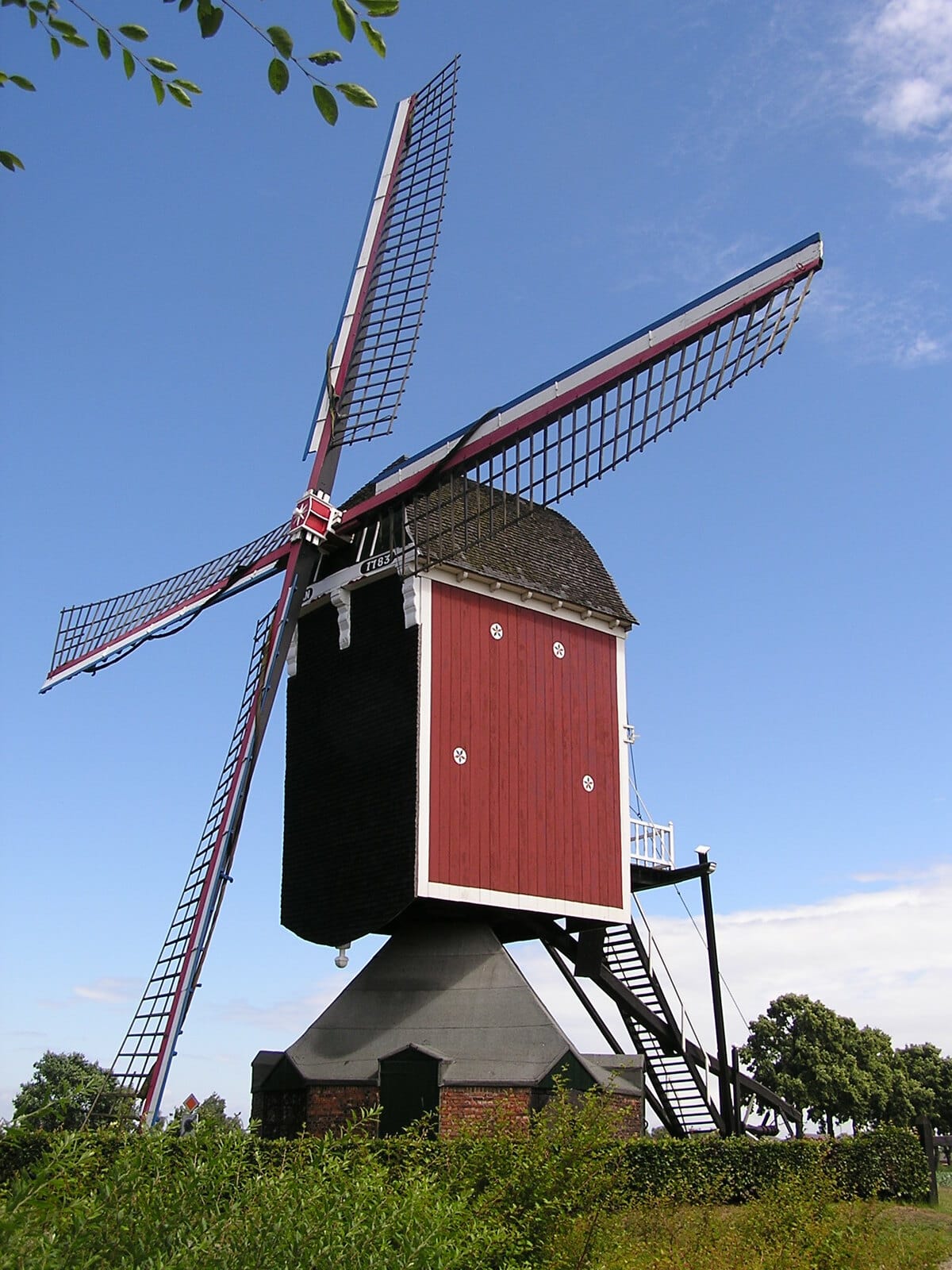
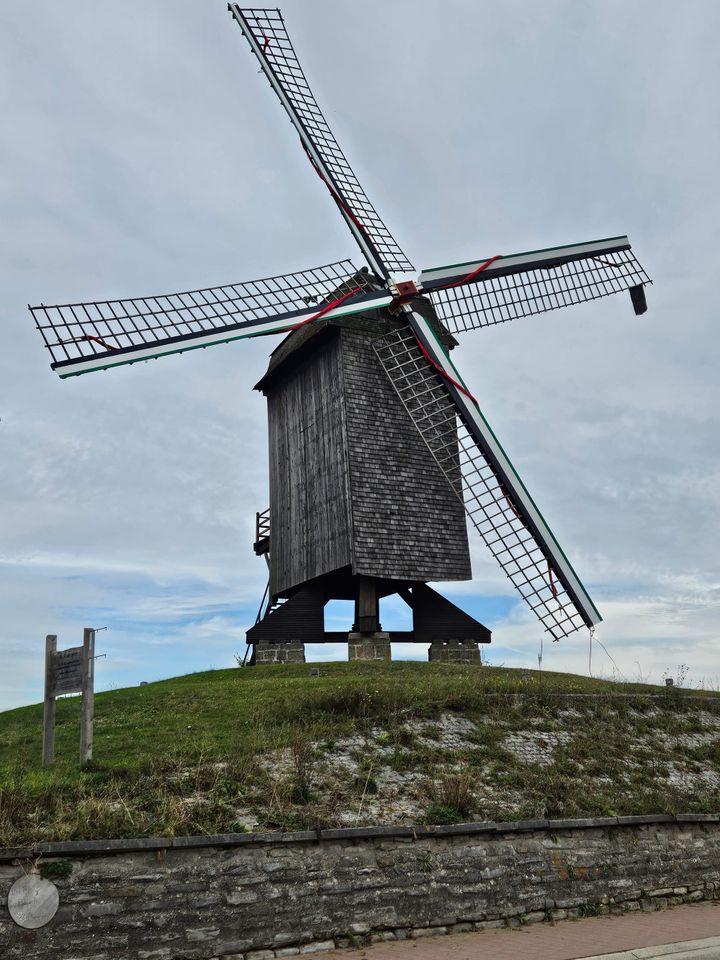
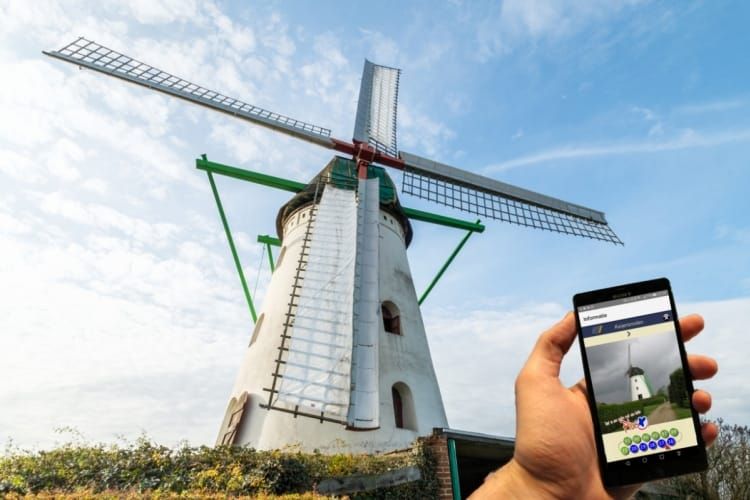
Along this route, you’ll discover nine remarkable windmills, each with its own history. Over the centuries, they’ve weathered wars, storms, decay, and changing times. Some mills barely survived, while others were carefully restored and are now operating once again as they did in the past. Cycle from mill to mill and discover the stories of perseverance, craftsmanship, and heritage that make these monuments so unique.
 ErfgoedApp