
The heritage sector is being hit hard by the Flemish government’s budget cuts. Cuts of 30%, 50%, and even 100% are unprecedented and are affecting organizations that preserve stories, collections, traditions, and expertise for future generations. Many creators in the “ ErfgoedApp ” community are also feeling the impact.
Protests are growing across Flanders. Black flags are being raised, windmills are symbolically flying at half-mast, and in Ghent, the Boekentoren is lit up in blood red for twelve evenings and nights as a distress signal. With the slogan “Leave the lights on,”heritage organizations are drawing attention to what is in danger of being lost.


At the same time, solidarity is growing. Museums, archives, heritage organizations, volunteers, and local heritage communities are joining forces to make their voices heard; they are calling on policymakers to reconsider their decisions.
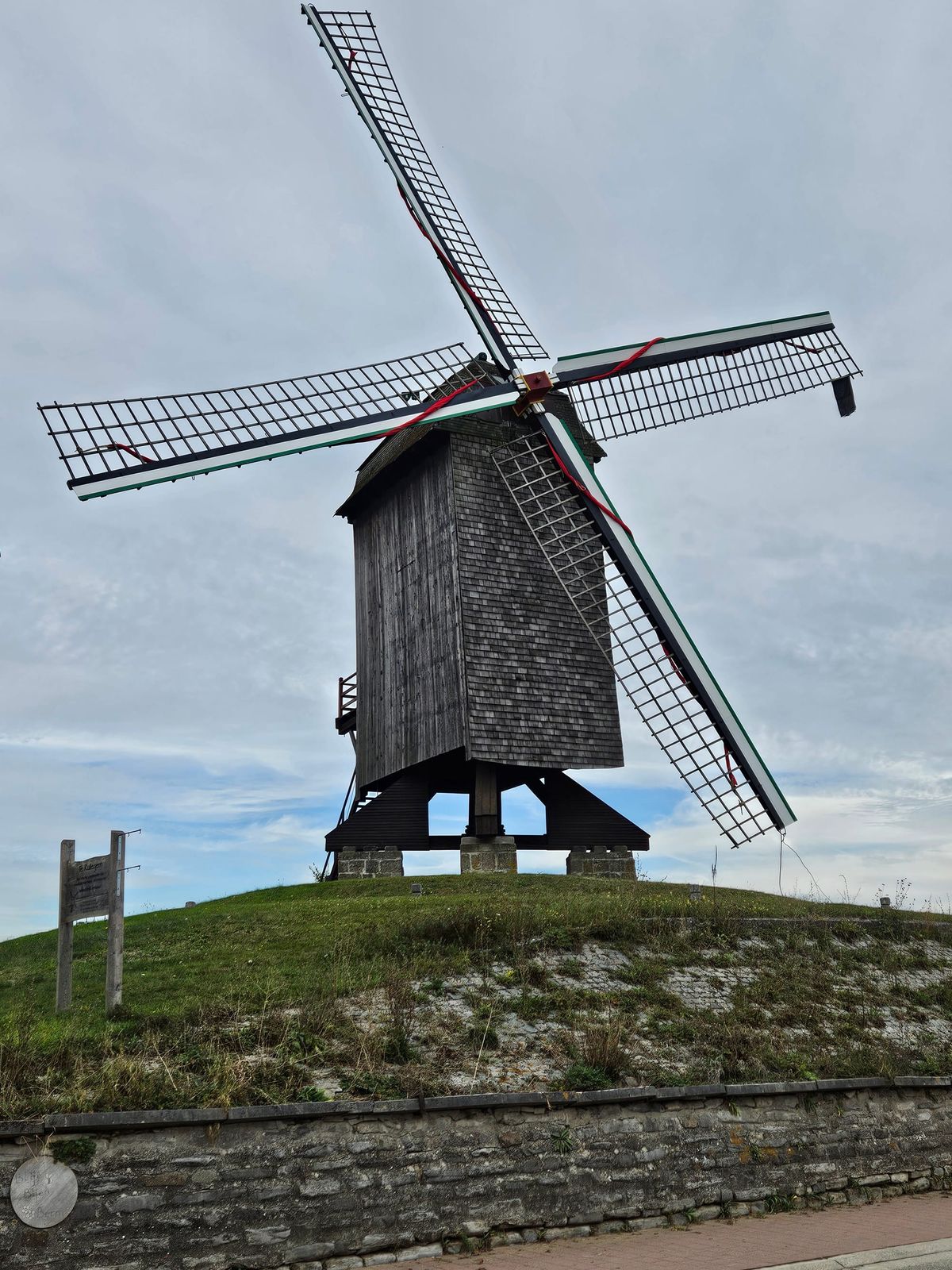
Windmills in mourning mode
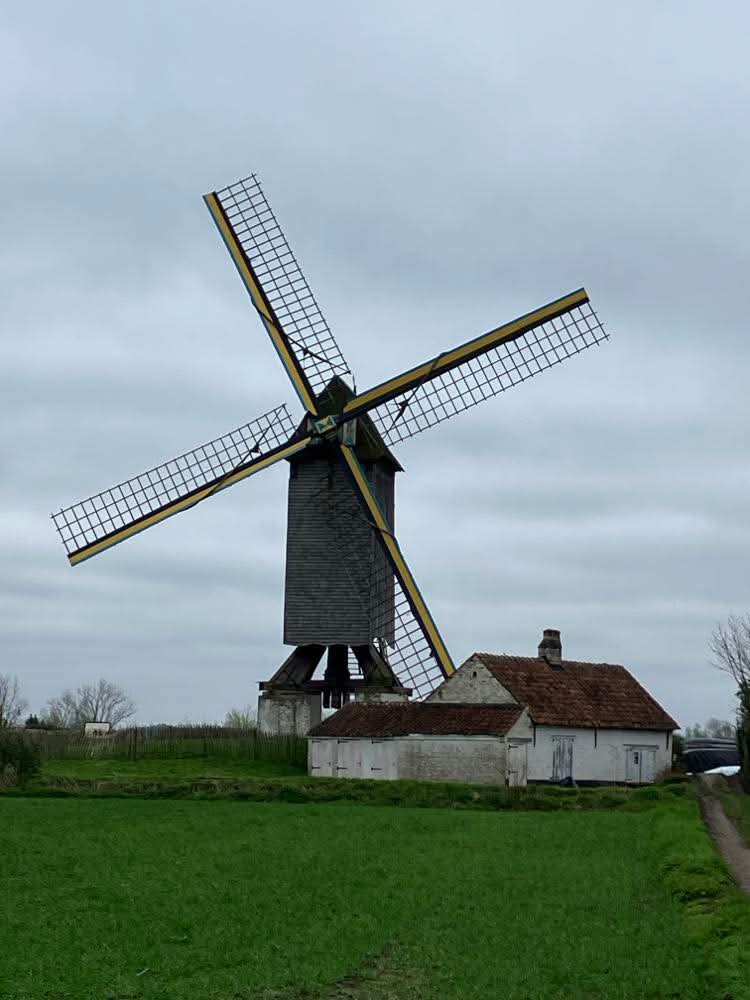
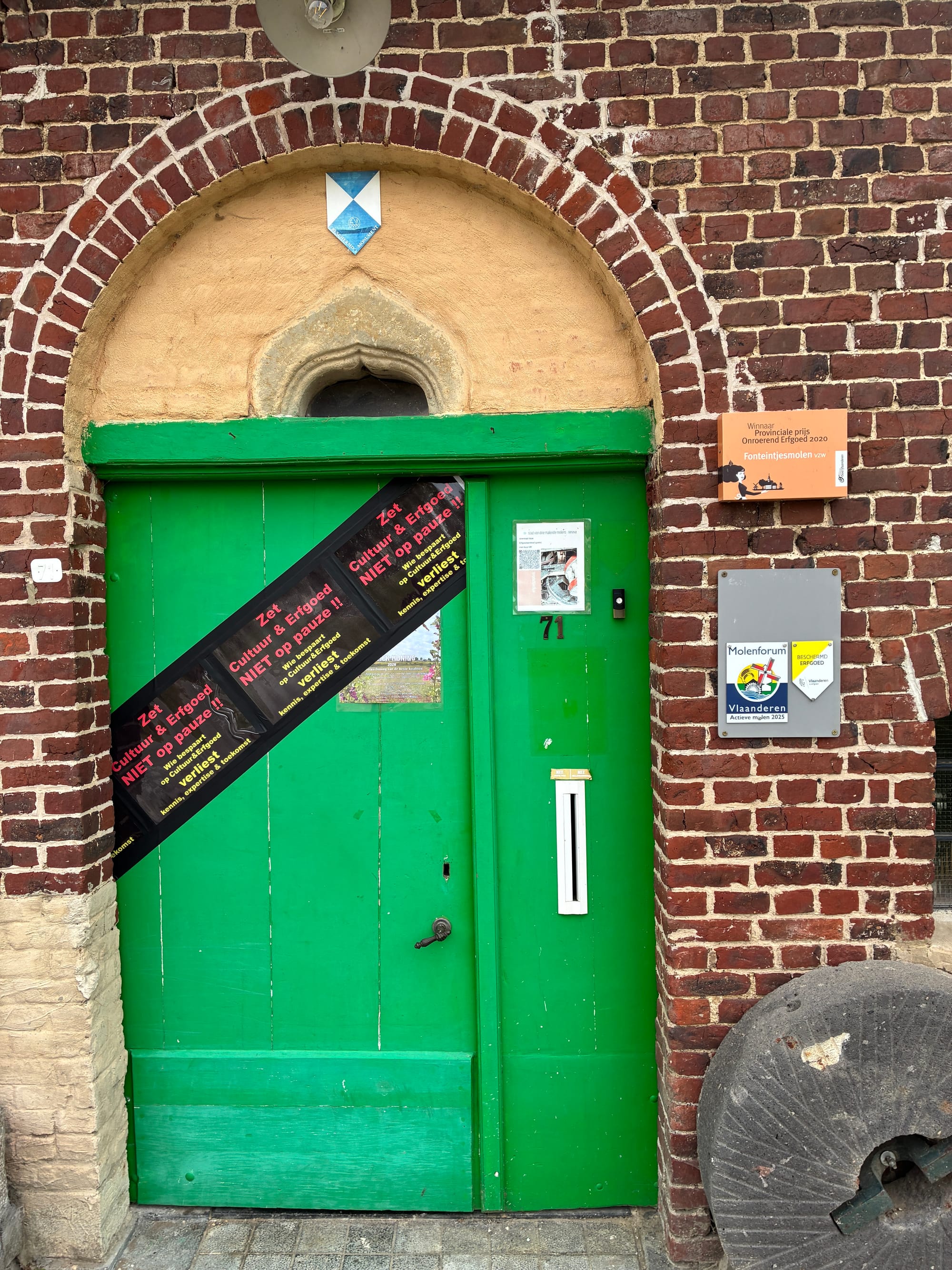
The Rullegem windmill in mourning mode and the Fonteintjesmolen in operation. Photos and footage courtesy of Molenforum Vlaanderen
Flemish windmills and watermills are also joining the protest. At the initiative of Molenforum Vlaanderen, many windmills are setting their blades to mourning mode. Watermills are showing their solidarity by displaying a mourning ribbon on the mill door or near the wheel.
For centuries, windmill sails were set in mourning when a miller or villager passed away. Molenforum Vlaanderen is now breathing new life into this tradition, using it as a wake-up call for the entire cultural and heritage sector.
Book Tower Sends Out a Distress Signal
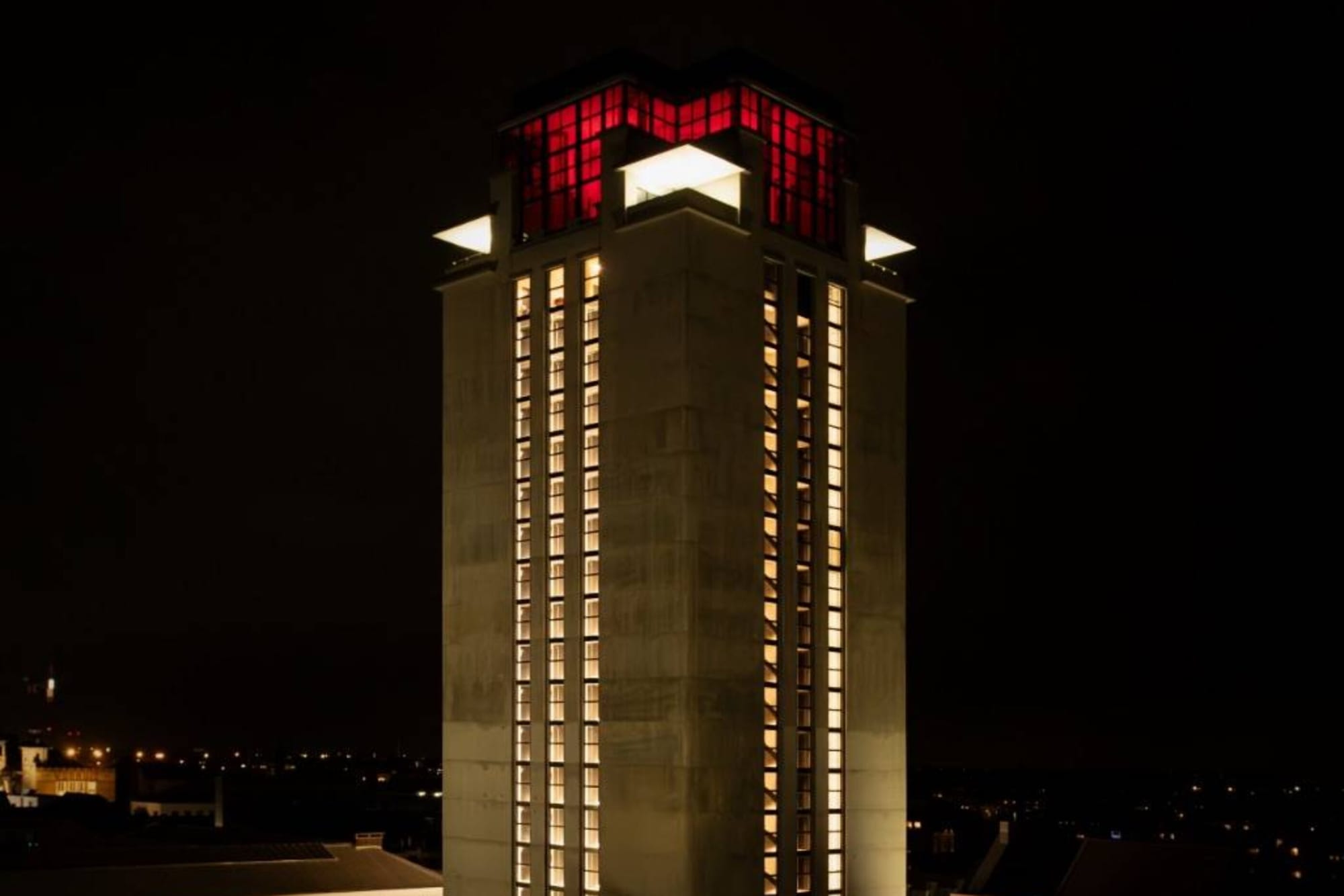
Through Monday, October 19, the Boekentoren is sending out a distress signal: the lights are turning red. In this way, they are drawing attention to the consequences of the announced Flemish budget cuts to cultural heritage and the impact on the library’s public services.

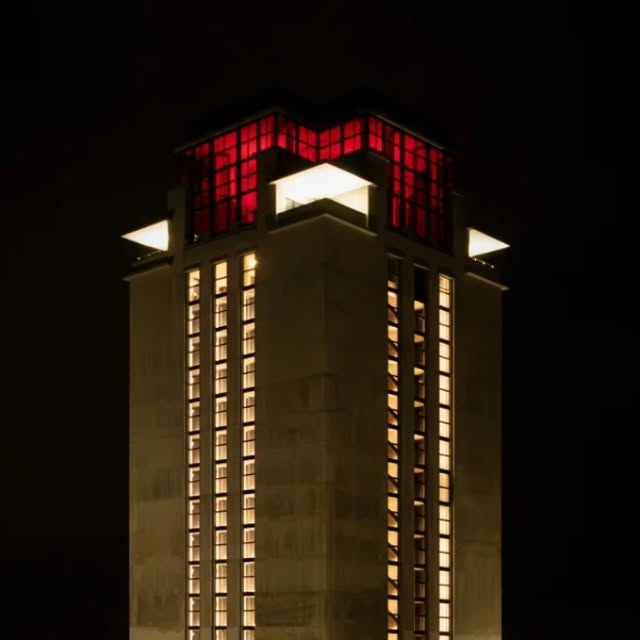
Book Tower in Ghent Sends Out a Distress Signal
The cultural heritage sector is in an existential crisis

An existential crisis. Flanders must cut 47 million euros from its culture budget, and the cultural heritage sector is being asked to foot the lion’s share of the bill.Unprecedented.
Swallowing budget cuts is always bitter, but when funding is slashed by 30%, 50%, or even 100%, it is nothing short of a death sentence. This feeling prevails. Organizations—and therefore people—are struck to the very core of their souls and their very existence: what you do, what you stand for, is unimportant and irrelevant. The ecosystem that we have all worked so hard to develop together over the past decades, with such attention and care, is being wiped out.