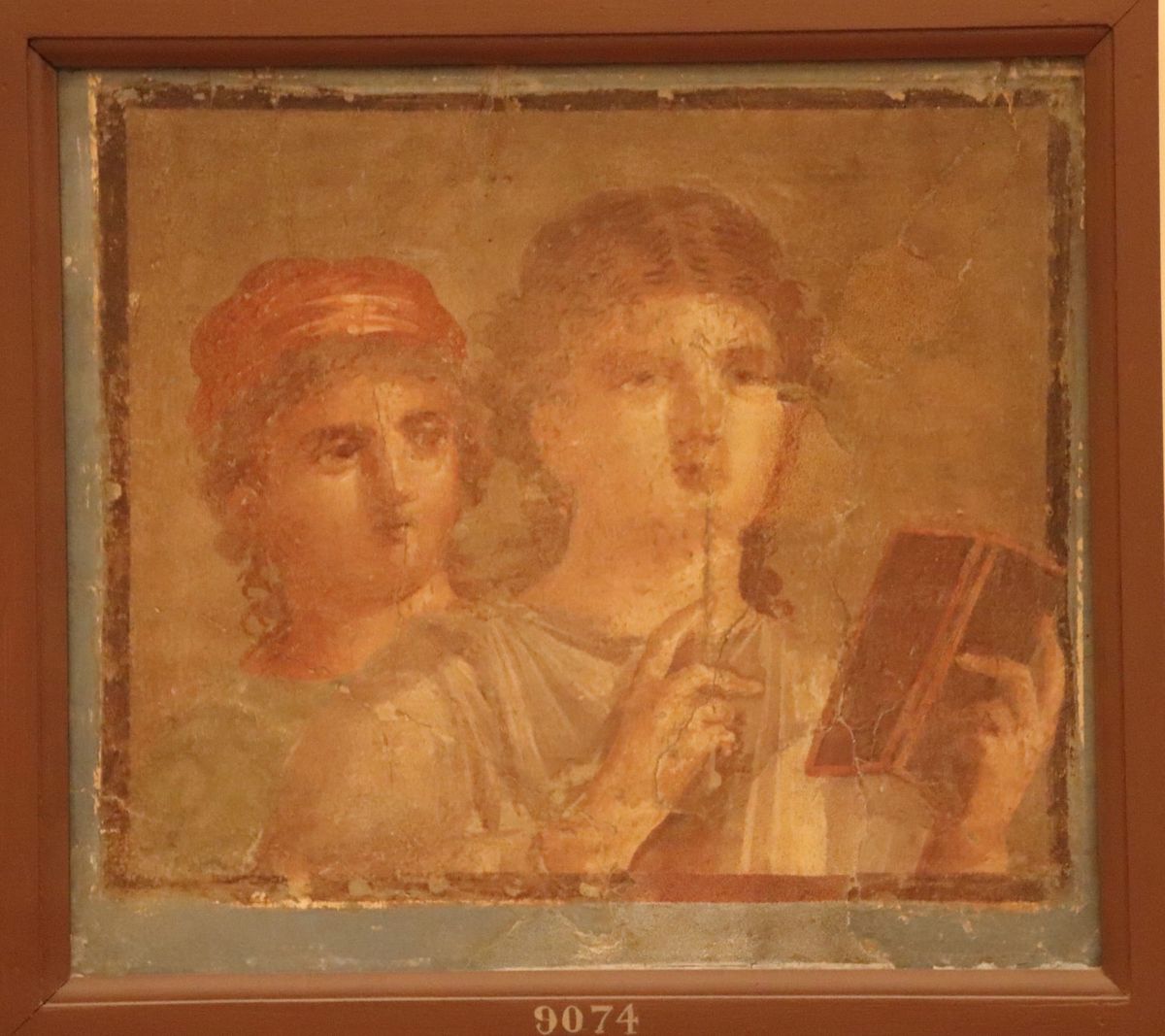
Have you read the story about the Roman writing tablets from Tongeren? As many as 73 were found in the 1930s. More recently, in 2013, another 12 were unearthed in an old well.
The texts seemed to be lost forever, until researchers took another close look at the tablets. What they discovered sheds surprising light on daily life in the country’s oldest city.
And there are even more remarkable finds that offer us a glimpse into the distant past. For example, fruit grower Raf Jansen stumbled upon a veritable treasure trove of coins in Vechmaal. First, he found 102 Gallic gold coins; twenty years later, he found another 65. The coins were likely minted during the time of Ambiorix, the legendary leader of the Eburones.
In 1892, old silver coins were also found in Belsele, near Sint-Niklaas. They were hidden in an earthenware pot buried in the ground. The coins date from the 3rd century and bear the portraits of various Roman emperors: yet another tangible trace of the Roman presence in the Waasland region.
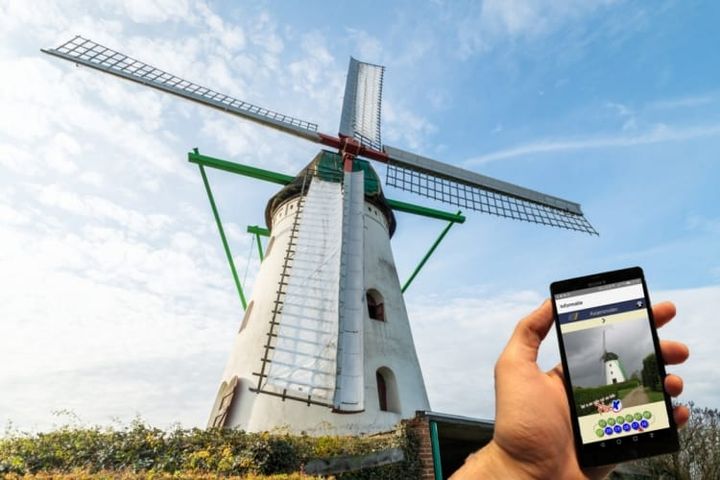
Have you gotten in the mood to go looking for traces of the Romans yourself? Set out on one of the routes in the “ ErfgoedApp.” Along the way, you’ll pass places where the Roman past is still visible—or where, with a little imagination, you can recognize its traces. Who knows what treasures you’ll come across along the way?
In the Footsteps of Mercury
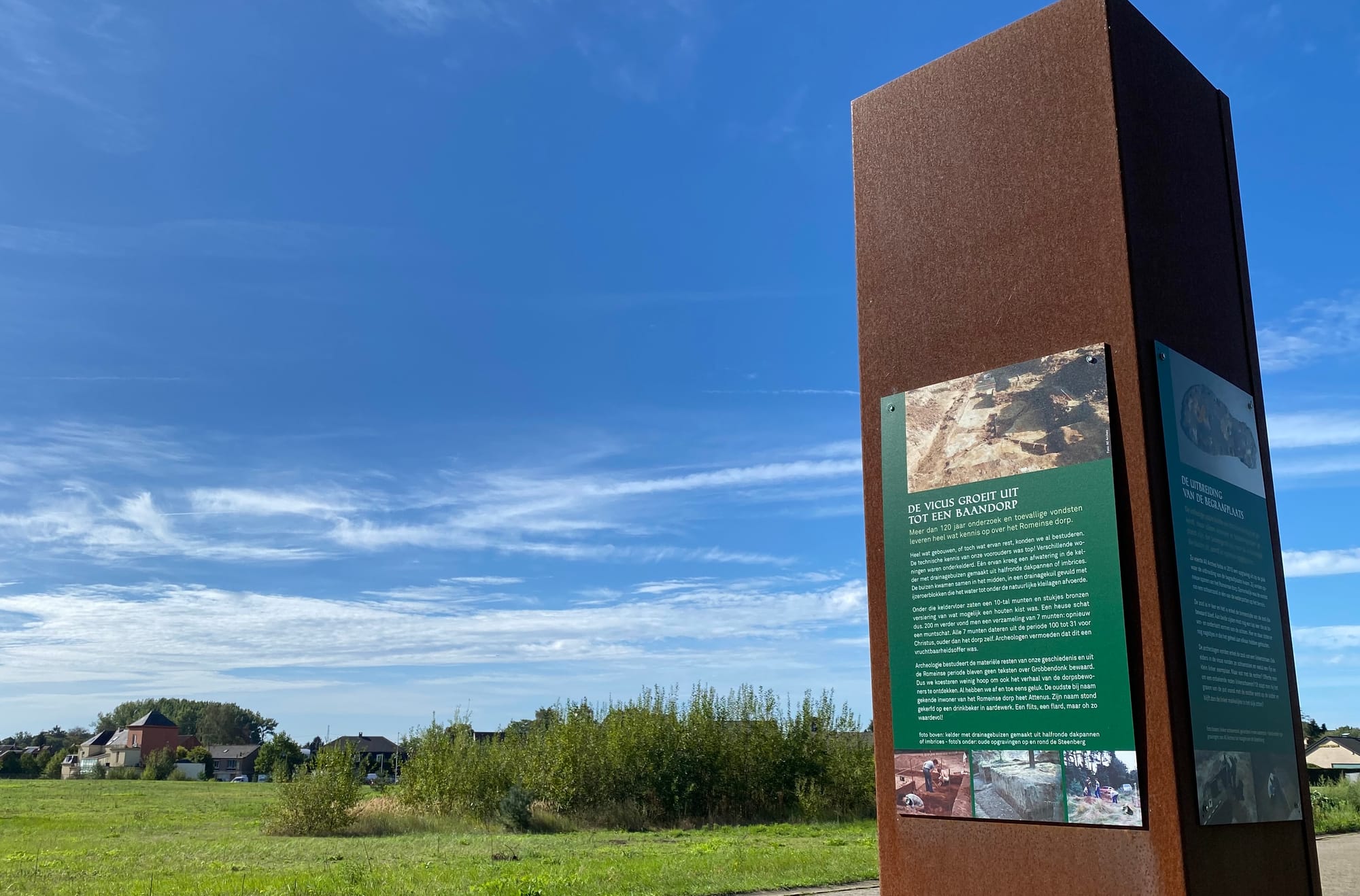
Archaeological discoveries have been made in Grobbendonk since 1903, but the ground has still not revealed all its secrets. On this walk, you’ll learn more about the village’s archaeological history from the information panels along the way.
The Mercurius Walk is about 4 kilometers long, which is roughly 5,714 regular footsteps or, converted to Roman units, 13,500 pedes. The information, available for both adults and children, also incorporates the findings from the major excavations conducted in 2019 and 2020.
 ErfgoedApp
Exploring Bachte-Maria-Leerne
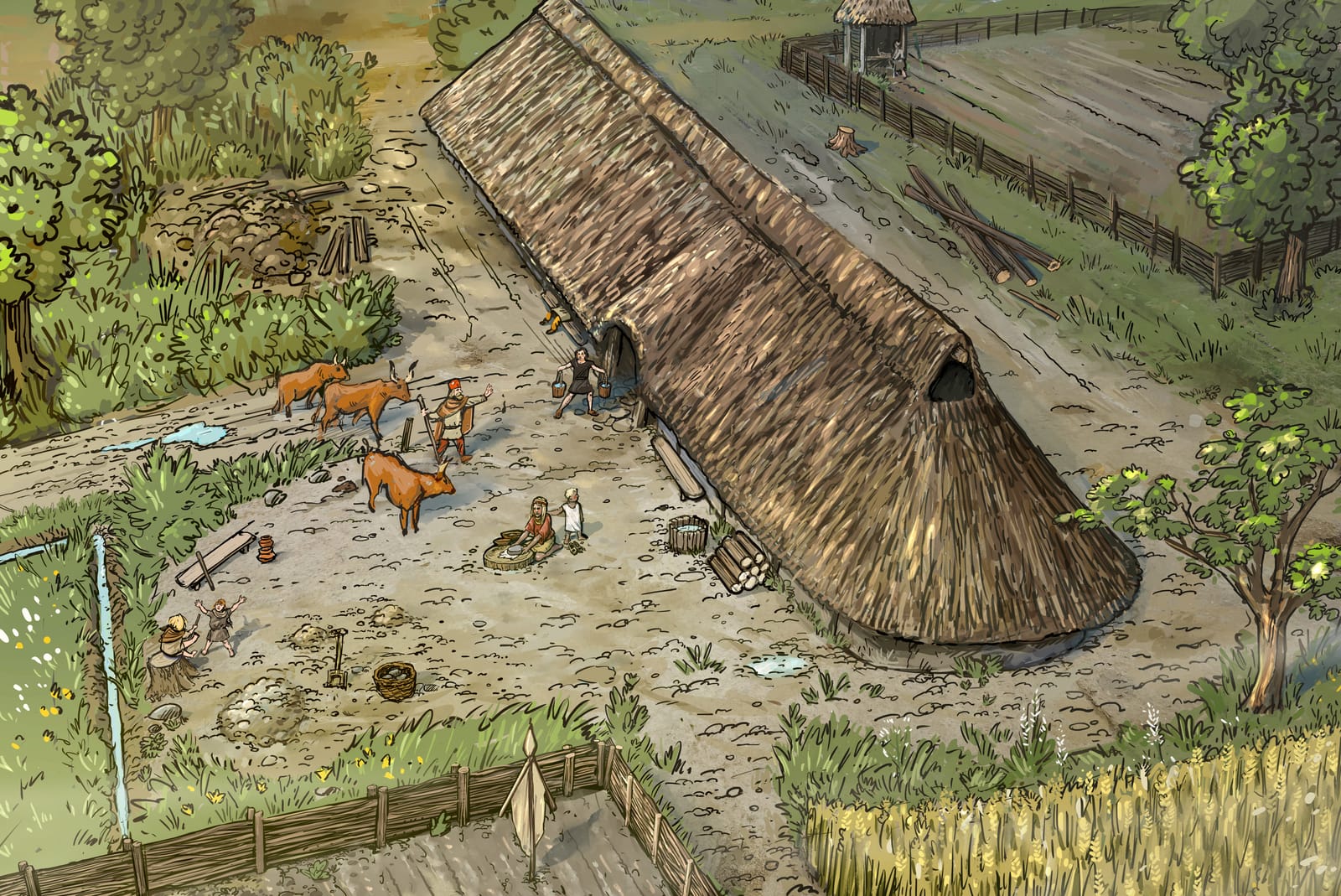
In Bachte-Maria-Leerne, there are three archaeological sites located close to one another. The excavations have uncovered surprising artifacts from various periods —ranging from a 3,600-year-old Bronze Age farmstead to a remarkable wooden bowl from the Iron Age and an almost completely preserved Roman landscape.
This walk takes you on a journey through 2,500 years of history and lets you see the surroundings in a whole new light. Along the way, you'll discover the places where people once worked, lived, and were buried.
 ErfgoedApp
Stories from the soil
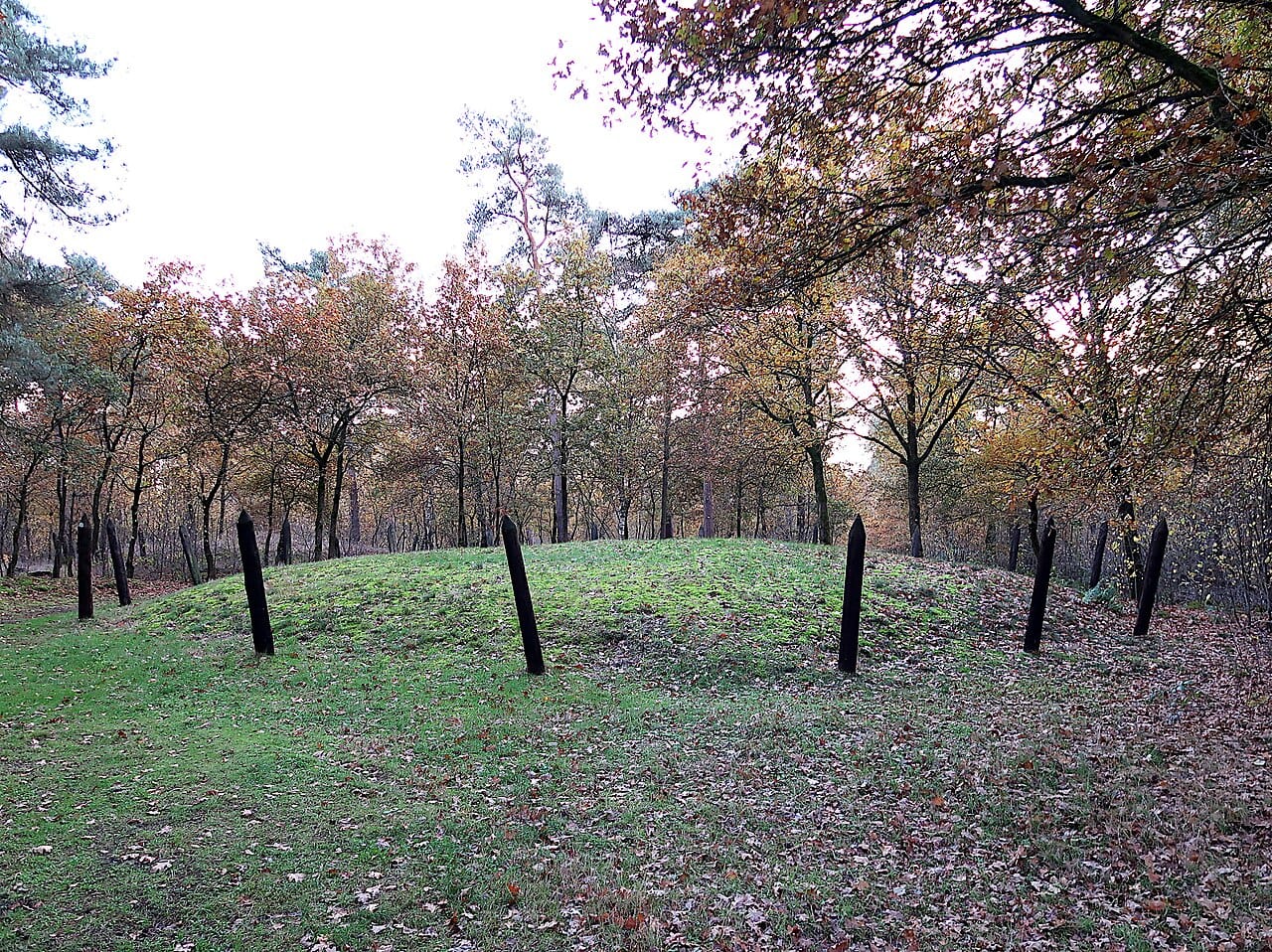
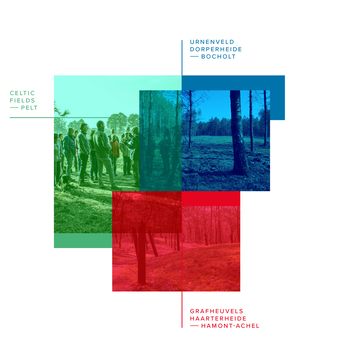
This bike route takes you even further back in time, to prehistoric times. How did the people who lived in our region back then deal with their dead? And what did their environment look like?
At the archaeological sites of Haarterheide in Hamont-Achel and Dorperheide in Bocholt, you’ll learn more about the lives of people from that era. In Pelt, a unique prehistoric agricultural landscape lies buried beneath the ground: the Celtic Fields. Local heritage ambassadors will guide you as you enjoy the varied landscape.
 ErfgoedApp