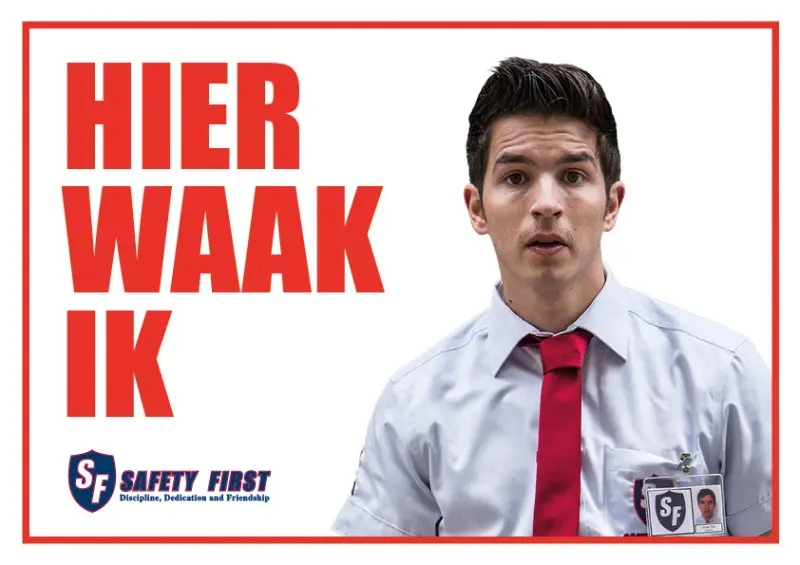
From the very beginning, the 20th-century mining villages or cités in Limburg formed a world of their own, dependent on and tailored to coal mining. The mining companies exercised paternalistic control over their cités. For example, they employed security guards or mine guards to ensure that the miners properly maintained their rental homes.
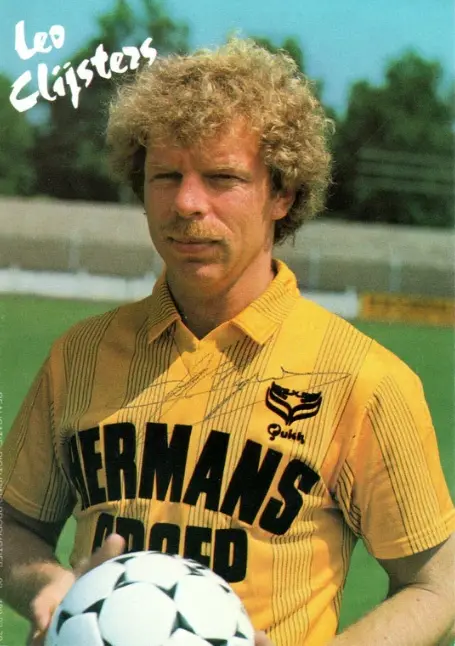
The mining companies also left their mark on socio-cultural life. They owned the majority of the local theater groups, banquet halls, and sports clubs. Some of these clubs grew to become true ambassadors for their communities and gained national prominence. The Genk soccer clubs KFC Winterslag and Thor Waterschei are perhaps the best-known examples. Before they merged in 1988 to form KRC Genk, both clubs played in the first division on multiple occasions and sometimes even competed in European soccer.
The mine management sought to control social life in the housing estate through its recreational programs and keep the workers in line. But no matter how powerful the mining authorities were, certain aspects of the mining town culture developed according to their own unique dynamics, independent of the mine’s directives. For instance, the many migrant workers in the mining region contributed to the emergence of a new variety of Dutch: the Citétaal or Cités.
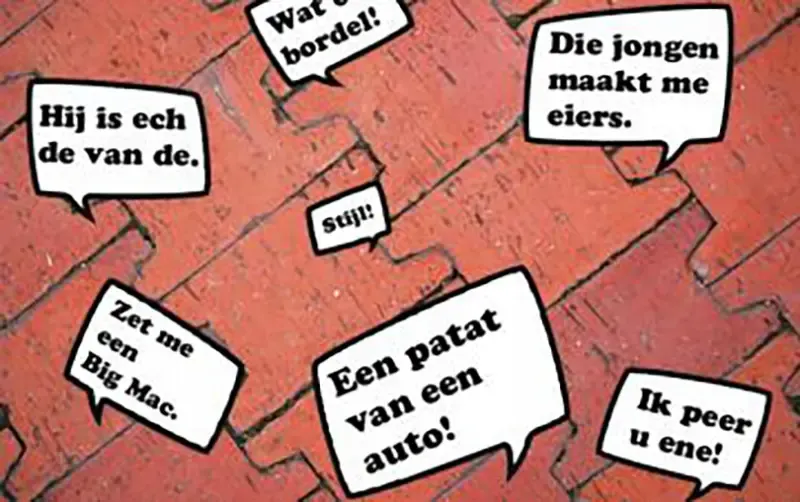
A characteristic feature of the Cité language was the combination of a Limburgish accent with numerous words from Italian, Arabic, Greek, and Turkish.
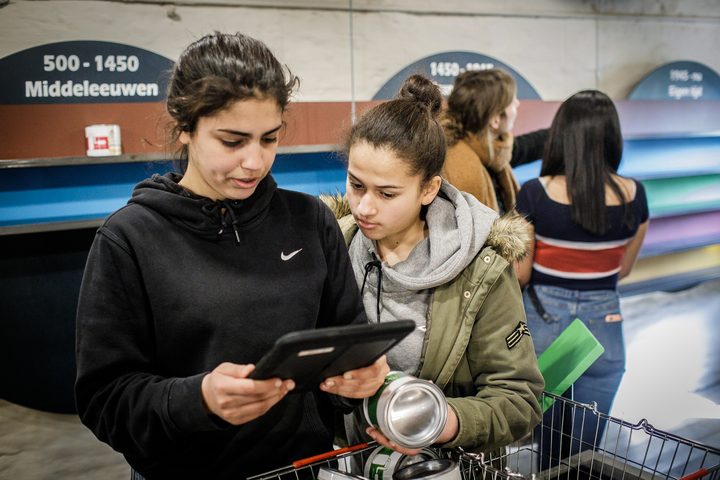
Even after the mines closed, the cités remained melting pots of different cultures, and so the Citétaal continued to develop. Today, Cités is primarily a youth language that has spread throughout the province of Limburg. Like other youth languages, it evolves rapidly, and new words and expressions are constantly being added.
This story was created by Geheugen Collectief for FAAM – Virtual Museum.
 ErfgoedApp
 ErfgoedApp
 ErfgoedApp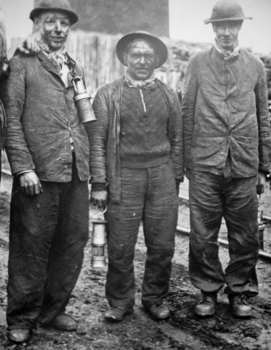
 ErfgoedApp