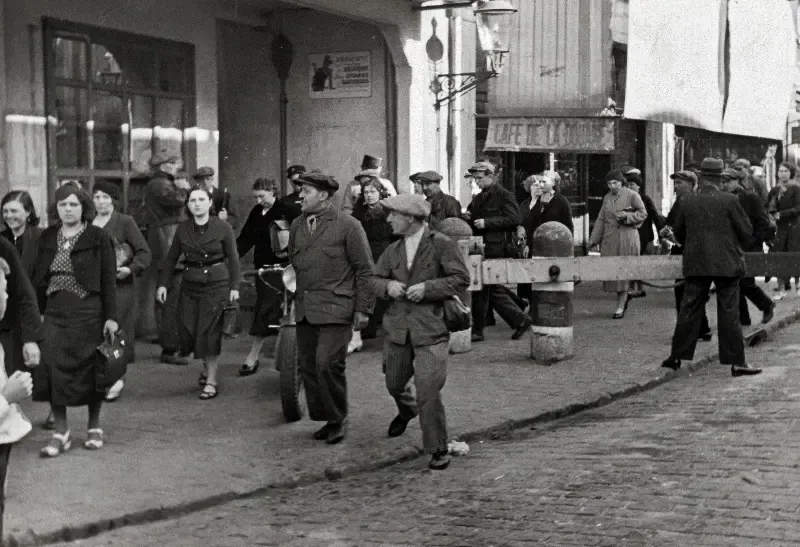
Sometimes the grass really is greener on the other side. In the first century following Belgium’s creation in 1830, many Flemish people sought their fortune elsewhere. As many as 200,000 emigrated to North America. Many more left their homes in search of work, finding it in Wallonia and France. They were given all sorts of nicknames: Walloon men, Frenchmen,“les godverdommes”…
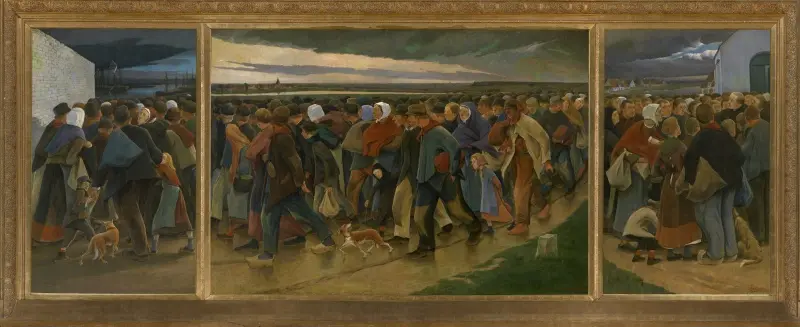
The image of “Poor Flanders” was born and continued to have an impact well into the post-World War II era.
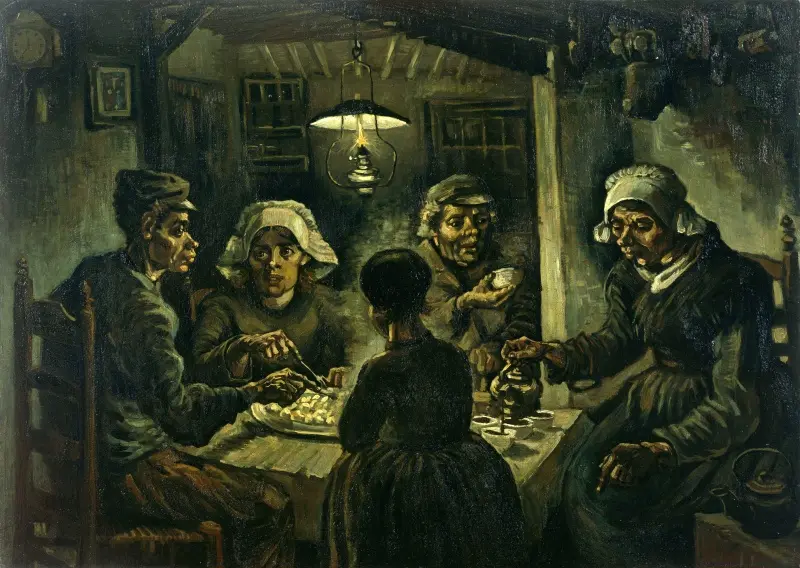
In the 19th century, Belgium industrialized at two different paces. The Walloon mining and steel companies were global leaders. Flanders, on the other hand, remained predominantly agricultural for a long time and lagged behind economically. This was compounded by the famine of 1845–1847, caused by a potato blight. The image of “Poor Flanders” was born and actually persisted until after World War II.
There were plenty of reasons to leave Flanders. Starting in 1850, tens of thousands of Flemish emigrants worked as construction workers in Paris. The northern city of Lille offered jobs in its textile factories, and a neighborhood soon emerged that came to be known asLa Petite Belgique. By 1891, nearly half a million Belgians were living in France.
Workers leften masse, mainly from West and East Flanders, but also from the Zuiderkempen and the Hageland. Countless seasonal workers and daily commuters also went to work in places such as the French sugar beet industry or the Walloon mines.
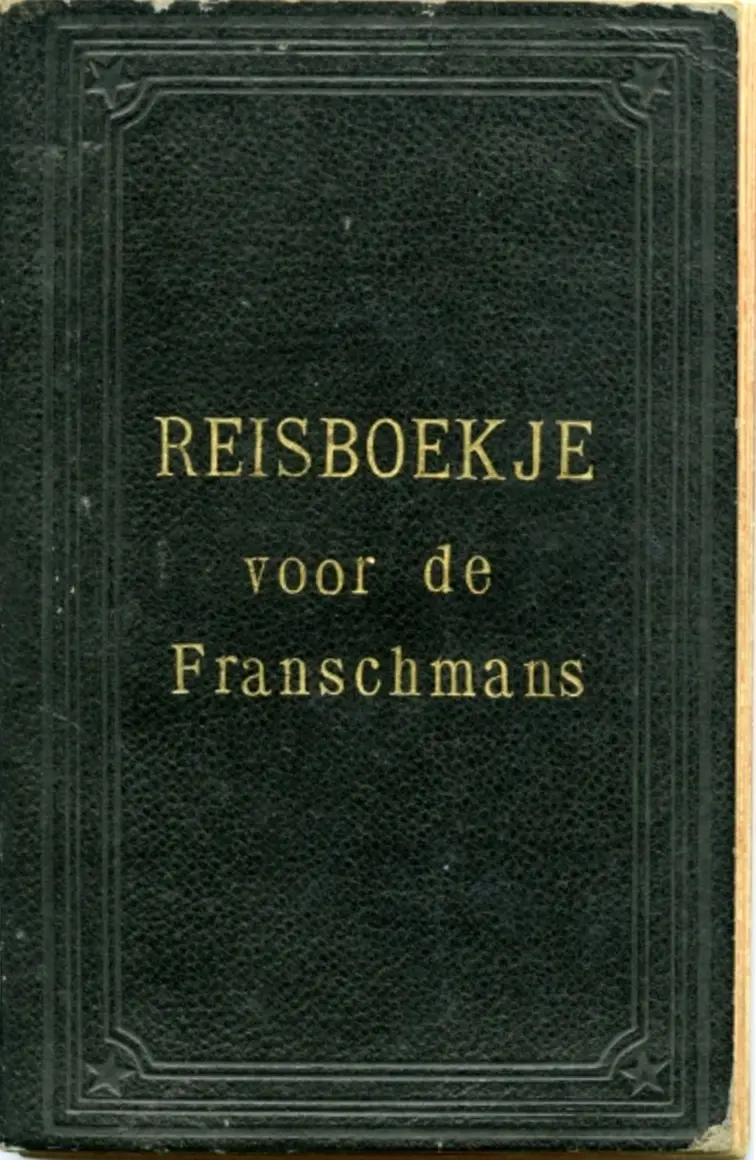
The Catholic Church was concerned with the salvation of Flemish emigrants and seasonal workers. A “Werk der Vlamingen” (Work of the Flemings) was established in Paris as early as 1862, followed shortly thereafter by similar organizations in Lille and Liège. These social organizations were primarily tasked with keeping the Flemings on the straight and narrow, especially in godless France. Newspapers for the Flemish also began to appear, with titles such asHet Volk der FranschmansandDe stem uit het vaderland. Flanders did not become a true immigration region until the 1960s.
This story was created by Geheugen Collectief for FAAM – Virtual Museum.
 ErfgoedApp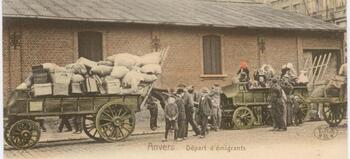
 FAAM
FAAM