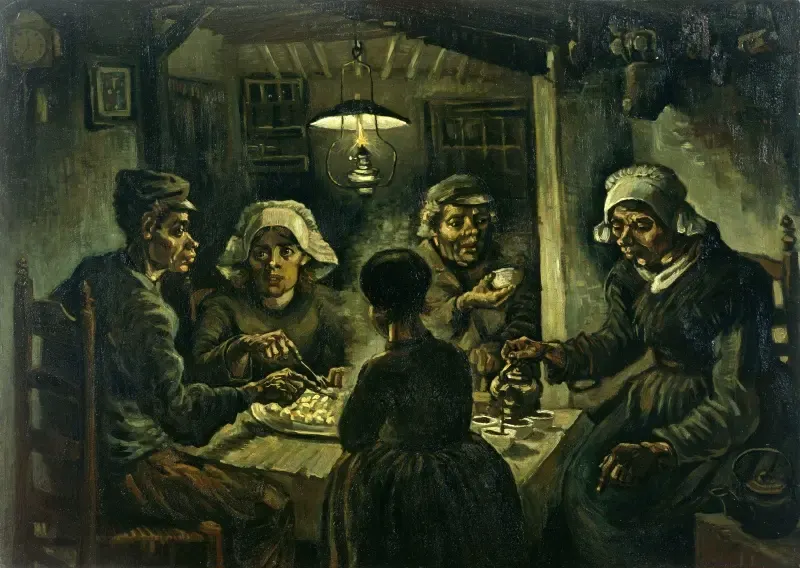
Less than two centuries ago, in 1845–1847, a devastating famine raged across the European countryside. In Belgium, it claimed the lives of some 44,000 people, mainly in East and West Flanders. The cause was a fungal disease—unknown at the time—that affected the potato crop.
This root vegetable, originally from South America, had firmly established itself in our diet by the mid-18th century. By the early 19th century, nearly every farmer in Flanders had potatoes growing in his fields. They were easy to grow, nutritious, and produced a high yield. When the potato harvest was good, they also served as animal feed.
It didn't take long for the potato to become as essential a food crop as grain.
The success of the potato came with risks. In the 19th century, Belgian agriculture was still dominated by small-scale farming. Farmers achieved good yields, but the financial returns were not always high. Many farming families had to supplement their income with home-based work, such as processing flax into linen in West Flanders. However, this cottage industry was under pressure from industrialization. Moreover, the population was growing rapidly.
It was a vulnerable system, as became apparent in the summer of 1845. That summer was exceptionally damp—conditions in which the fungusPhytophthora infestansthrived.
The fungal disease was first detected near Kortrijk.
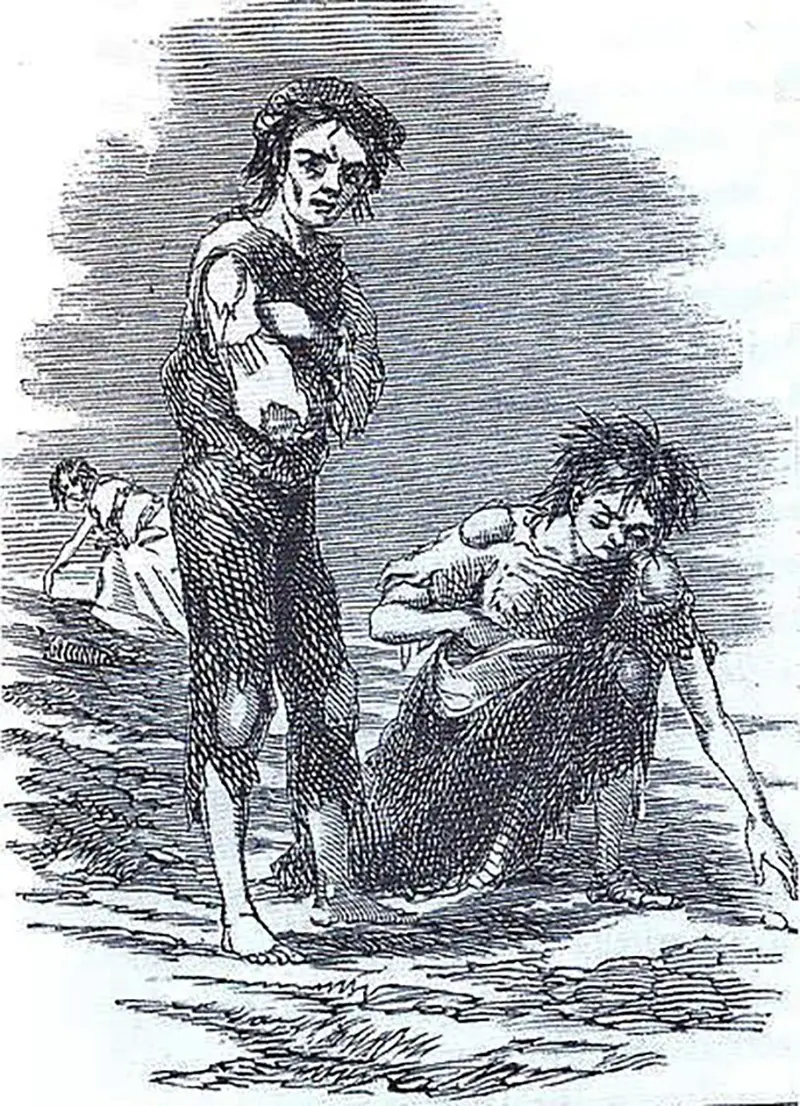
In just a few months, it spread throughout all of Northwestern Europe.
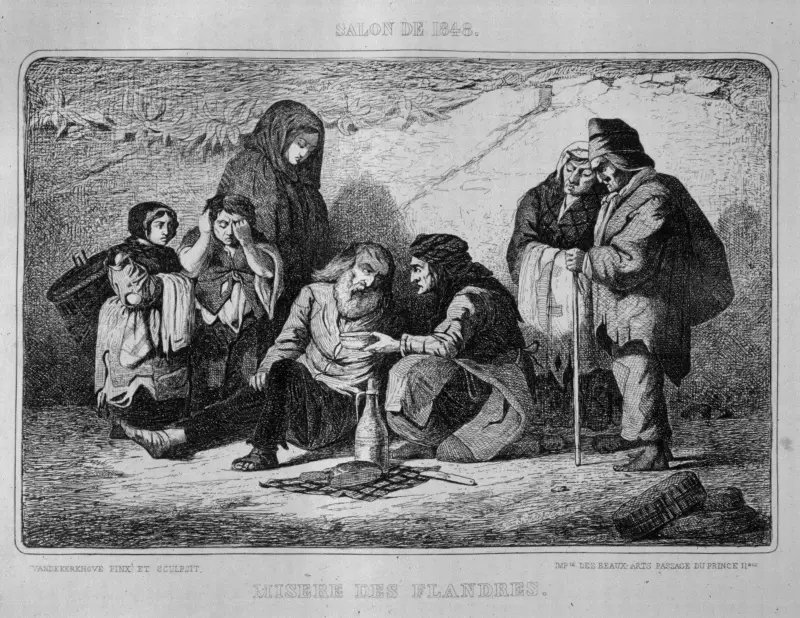
In Ireland, the“Great Famine”claimed about one million lives. The toll was high in Flanders as well. Poverty in rural areas persisted for decades, and just like the Irish, many Belgians sought better opportunities elsewhere. They emigrated, for example, to North America. Pests would follow, such as the Colorado potato beetle in the 1930s, but conditions would never again be as dire as they were in 1845–1847. Eastern and Western Flanders, in particular, continued to carry the image of “Poor Flanders” for a long time.
This story was created by Geheugen Collectief for FAAM – Virtual Museum.
 ErfgoedApp
 ErfgoedApp
 FAAM
FAAM
 ErfgoedApp