The fear of natural disasters is not unfounded. It has been heightened by a few major disasters that have remained etched in the collective memory.
These were mainly flood disasters. For example, there was the storm surge of 1134, which turned what is now Zeeland in the Netherlands into an archipelago, but also created the Zwin. In 1404, there was the First Saint Elizabeth’s Flood, which caused major flooding in East Flanders, resulting in many deaths. Viruses were also common. In 1529, in Antwerp alone, 400 people died in the month of September from the “sweat sickness,” a persistent virus that emerged in the summer and disappeared in the winter.
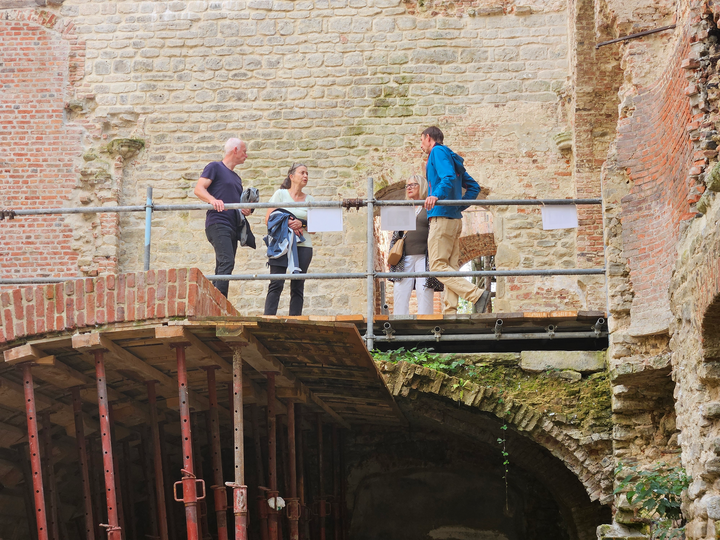
St. Paul’s Church on the Veemarkt in Antwerp was even struck by fire on several occasions. In 1679, lightning struck the church tower. The roof of the central nave burned down completely, and part of the western facade collapsed. The large organ was also damaged. But the church was restored. The Gothic gable was replaced by a simpler roof. In 1889, windows, roofs, and part of the facade were destroyed by an explosion at a nearby gunpowder factory. The facade was rebuilt to match its original Gothic appearance.
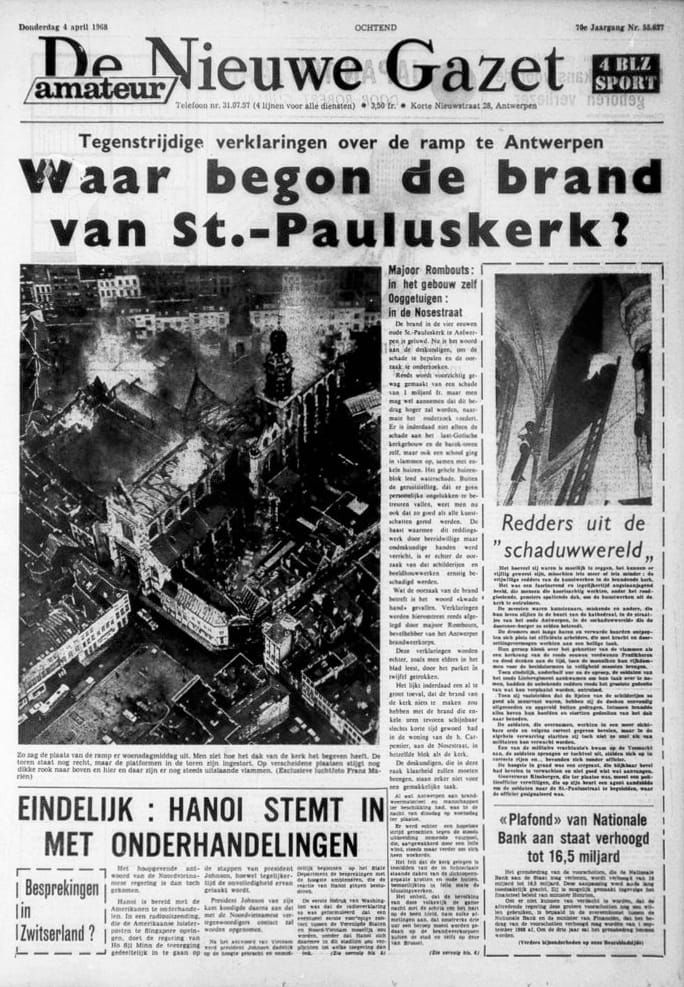
On the night of April 2–3, 1968, a severe fire destroyed the adjacent monastery and a school. The fire spread to the church roof and the tower. Part of the vault collapsed, sending sparks flying everywhere.
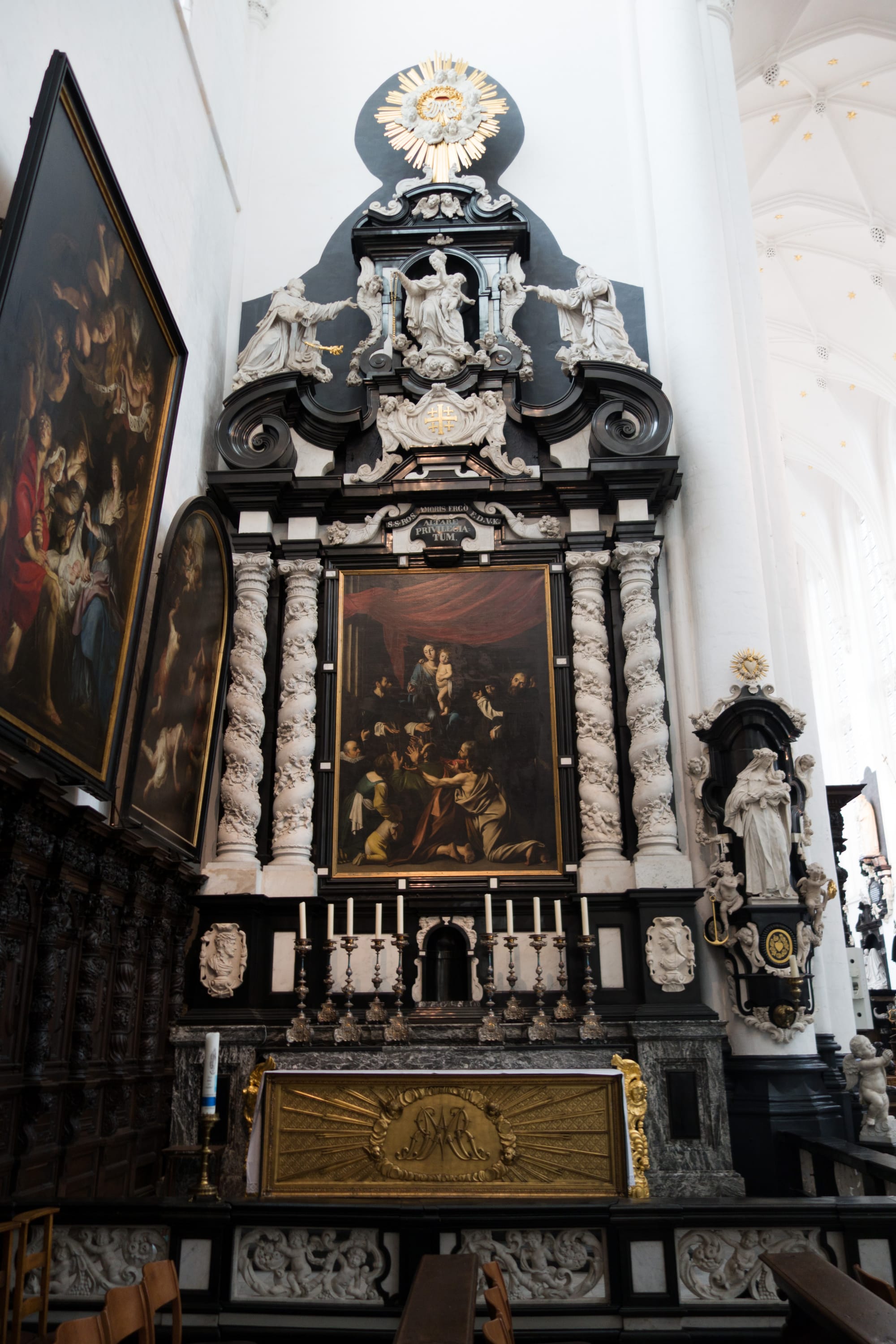
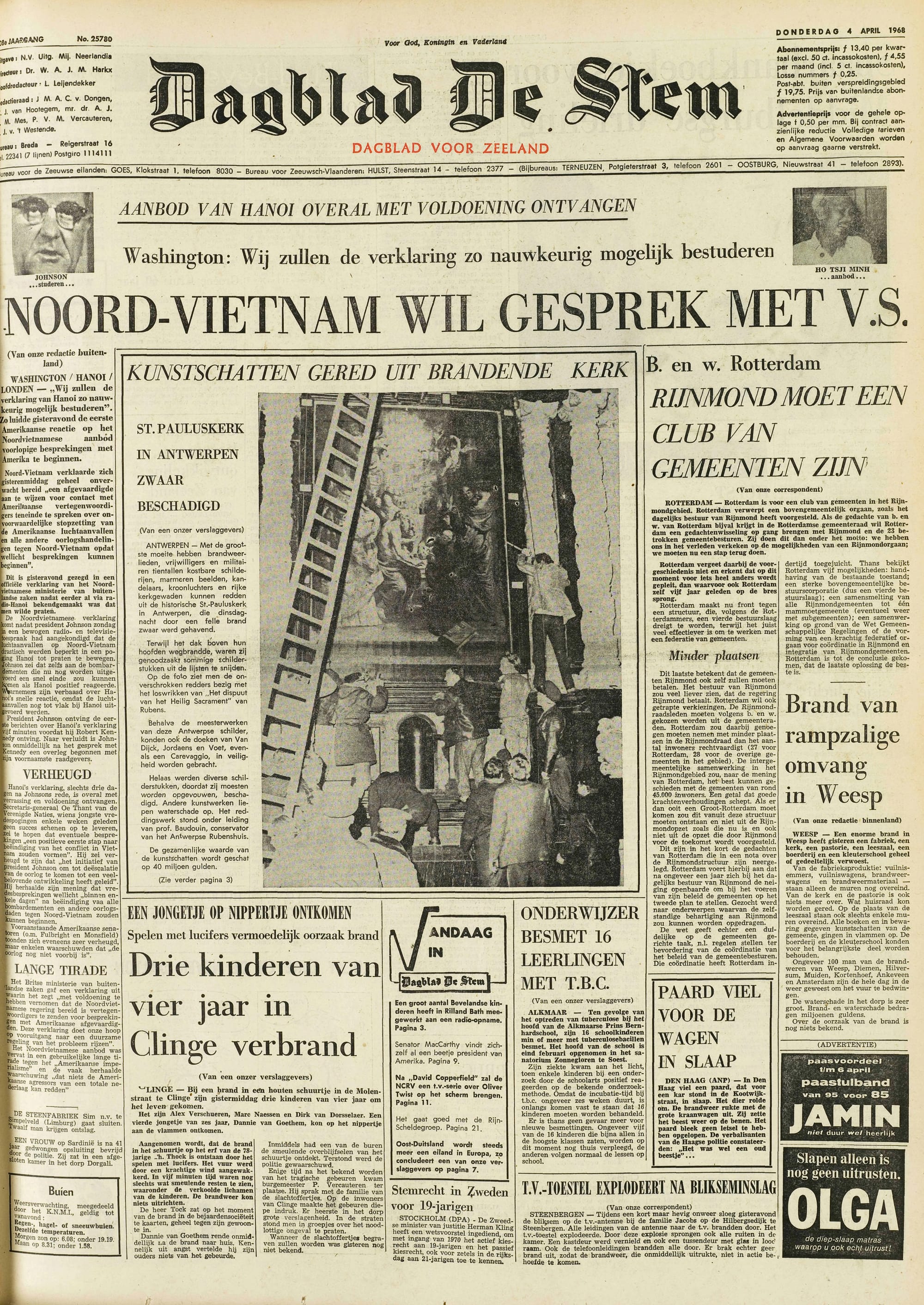
Neighbors were startled by the noise. Students, bar patrons, and local sex workers helped evacuate the sculptures and paintings. These were cut from their frames, rolled up, and brought to safety. Many people risked their lives to save the art from the church. According to reporters from De Nieuwe Gazet, it was so hot inside the burning church that the bronze of the bells was dripping.
This story was created by OKV for FAAM - Virtual Museum.