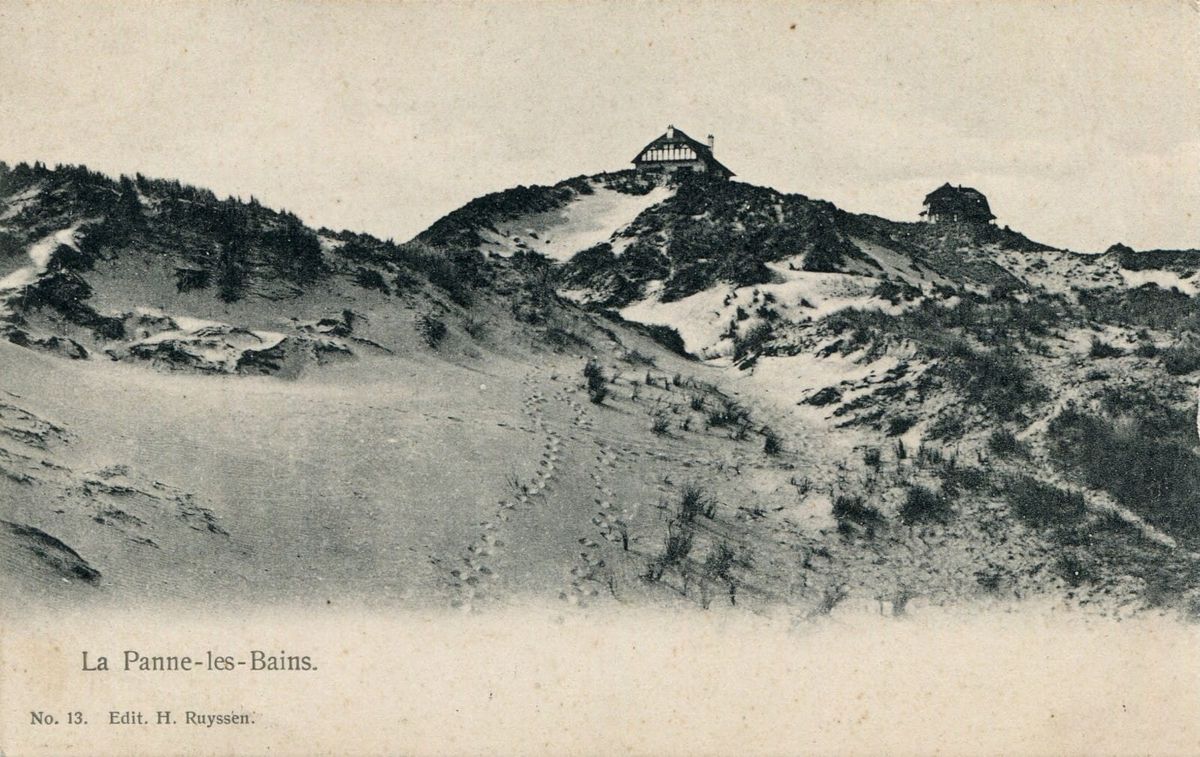
Summer is just around the corner, long weekends are filling up our calendars, and we’re heading to the coast in droves for some fresh air, an ice cream on the boardwalk, or a day full of discoveries. Why not combine that trip with a fascinating heritage experience? With the ErfgoedApp , you ErfgoedApp hidden stories, surprising places, and unique history by the sea as you go.
From bustling seaside resorts to quiet dunes and historic harbors: the coast offers a wealth of tours that will add that special something to your vacation. In this blog, we’ll ErfgoedApp a few fascinating seaside walks using the ErfgoedApp .
De Panne — De Panne’s illustrious fishing heritage
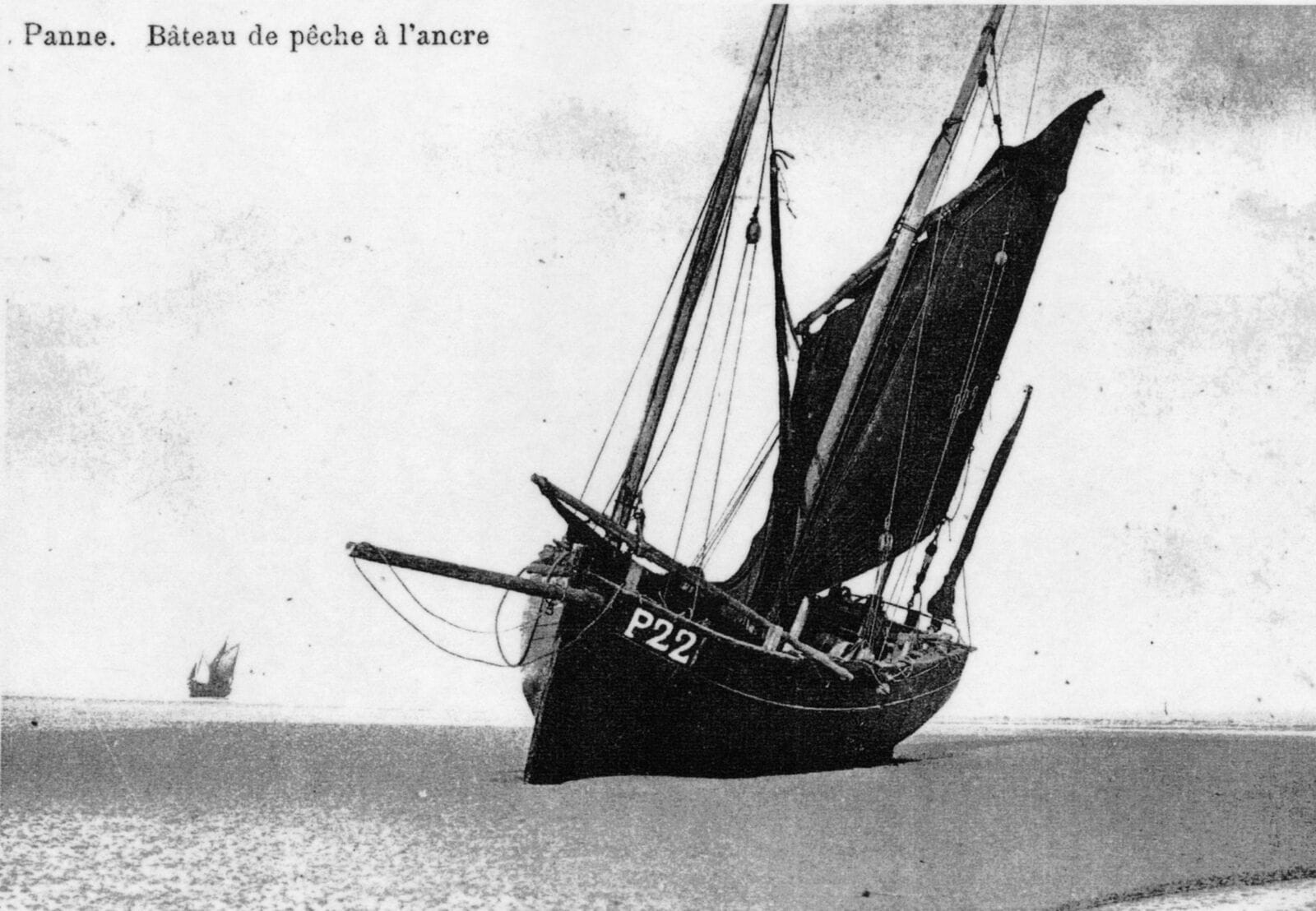
Dive into De Panne’s rich fishing history and set out on an adventure with the ErfgoedApp. During this coastal heritage walk, you’ll discover fascinating stories about fishing and life by the sea.
Who was Pier Kloeffe? What does it mean to “mark” a fish? Where did fishermen’s wives wait anxiously for their husbands to return? And what exactly is a “butskorf”? As you visit various locations, you’ll delve into the glorious past of De Panne and discover just how much the sea shaped daily life.
 ErfgoedApp
Koksijde — Quartier Sénégalais: a neighborhood that inspires dreams
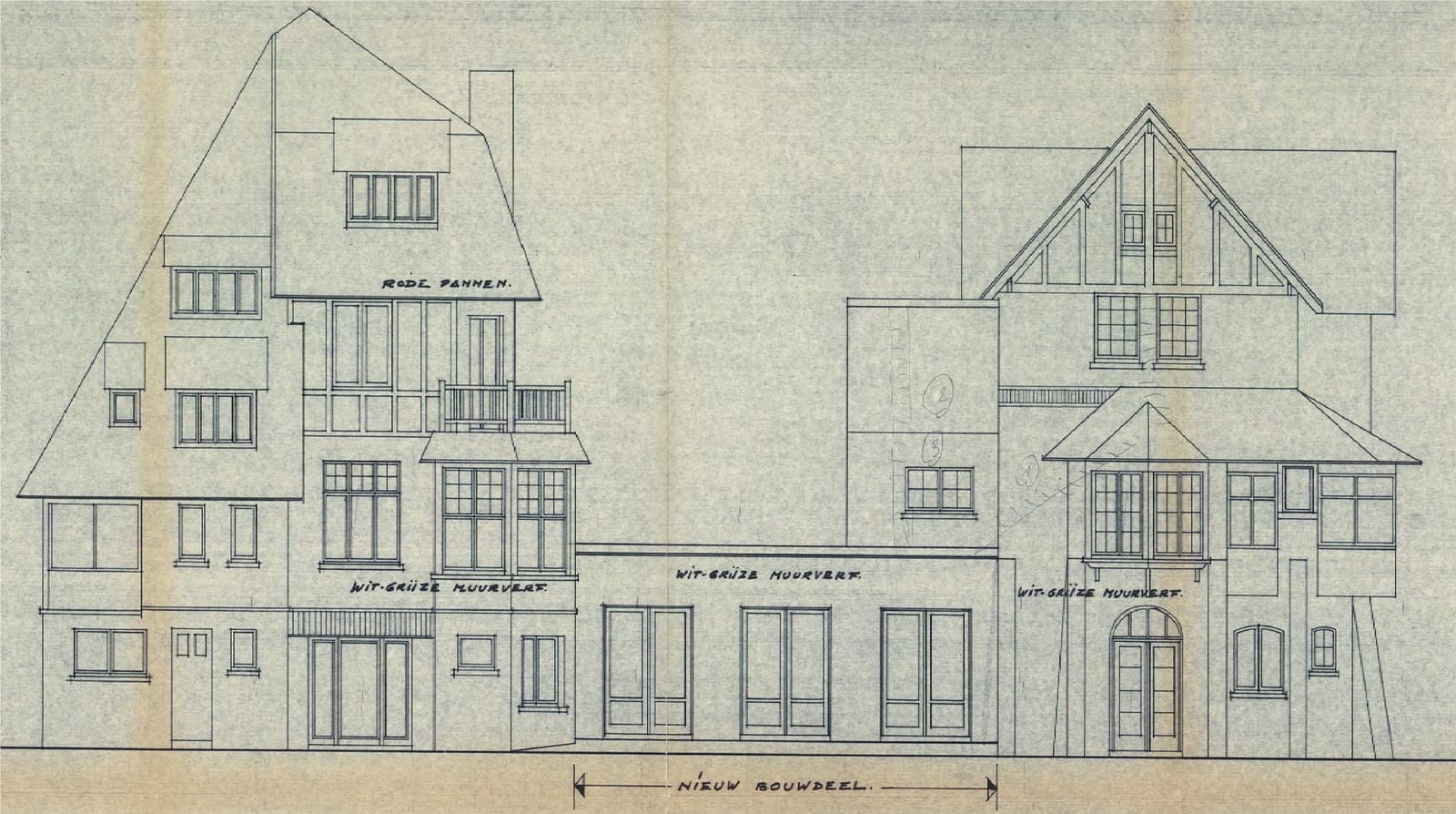
Let yourself be swept away by the charming streets of the Quartier Sénégalais in Koksijde. This heritage walk starts at Bad Schallerbachplein and takes you past 13 special sites on a loop of about 1.5 kilometers. Along the way, you’ll discover at your own pace how this unique garden district came to be and why it was designated a protected village landscape in 2011.
ErfgoedApp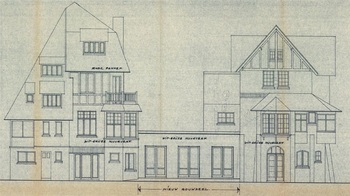
Nieuwpoort — Nieupoort, just as it was
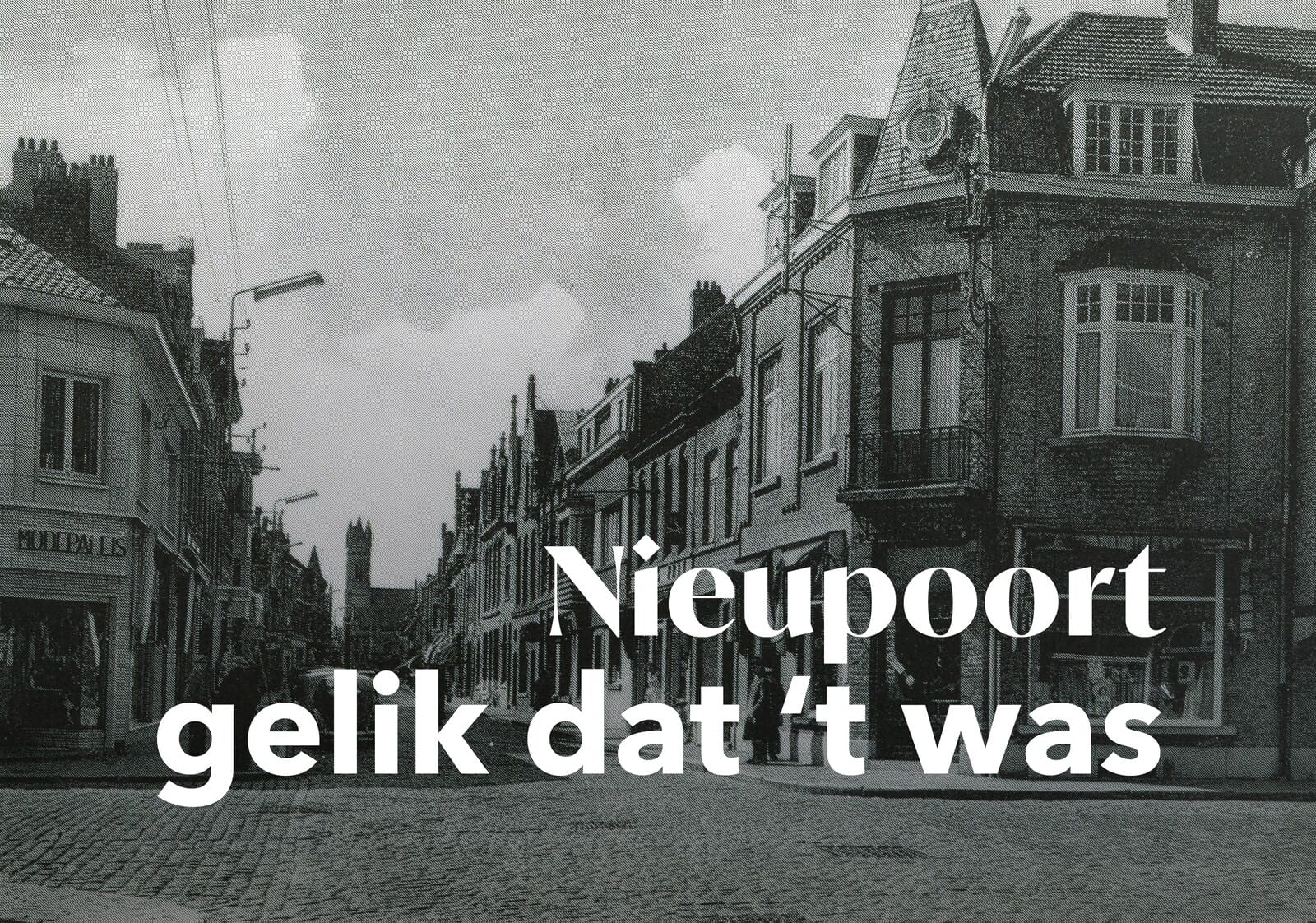
What did Nieuwpoort look like in the past? On the“Nieupoort gelik da ’t was”tour, you’ll travel back in time and discover how the city has changed over the years. From before World War I through the reconstruction and the decades that followed, historical photos show how streets, squares, and famous landmarks have evolved from then until now.
Using images from the Nieuwpoort Verbeeldt collection —part of Westhoek Verbeeldt —you’ll stroll past locations that have sometimes changed beyond recognition. Other places, however, seem to have withstood the test of time with ease.
ErfgoedApp
Westende-Bad — Heritage Walk: Old Children’s Games
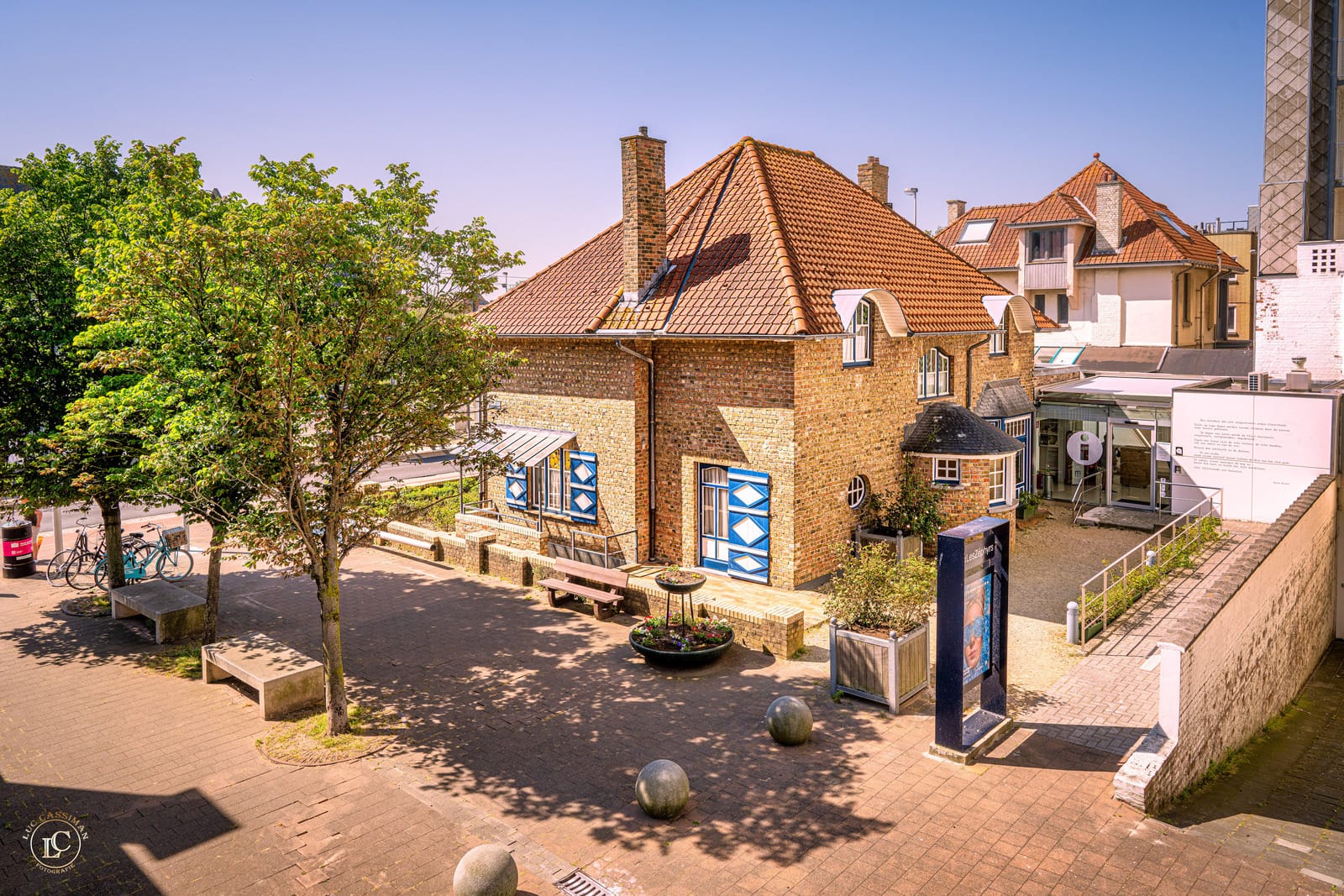
In Westende-Bad, exploring heritage becomes a real adventure for the whole family. This heritage walk takes you to surprising spots in the seaside resort, where you don’t just look and learn, but also get actively involved.
At each heritage site, there’s a challenge related to old children’s games. This turns your walk into a fun journey through the past. Click through the heritage information until Krabbie appears—he’ll guide you further and tell you what challenge awaits you.
ErfgoedApp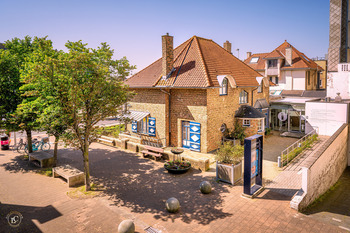
Ostend — Fishing in West Flanders’ Past
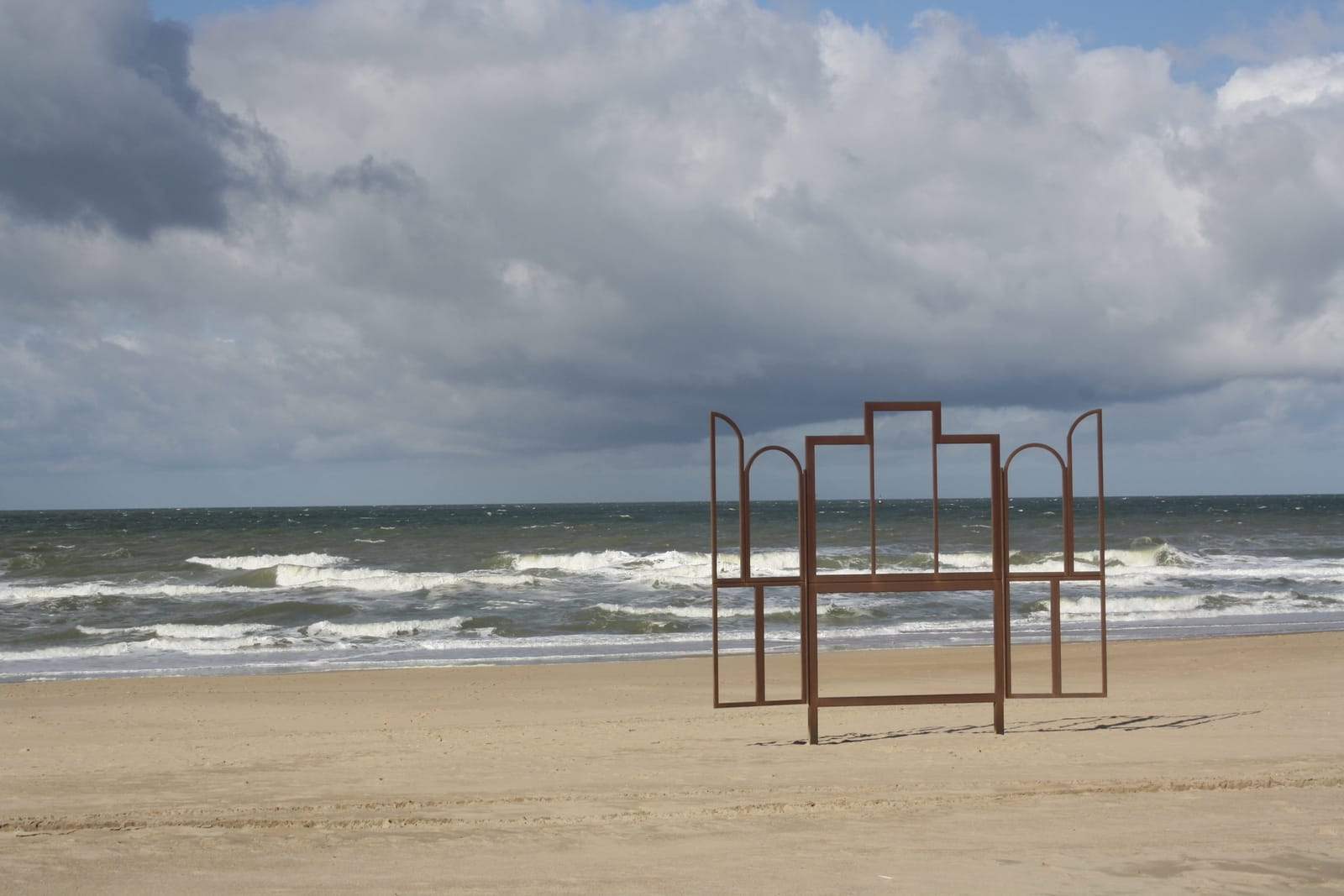
On this walk through Ostend, you’ll discover some unique spots that bring the city’s fishing heritage to life. You’ll delve into the fascinating story of fishing life and, along the way, get to know the rich cultural heritage of the City by the Sea.
In addition to historical insights and local stories, you’ll also learn more about traditional regional dishes. A special highlight are the authentic West Flemish dialect recordings from the 1960s and 1970s, which you can listen to along the way and which bring the past to life in a very vivid way.
ErfgoedApp
Blankenberge — Historical Walk
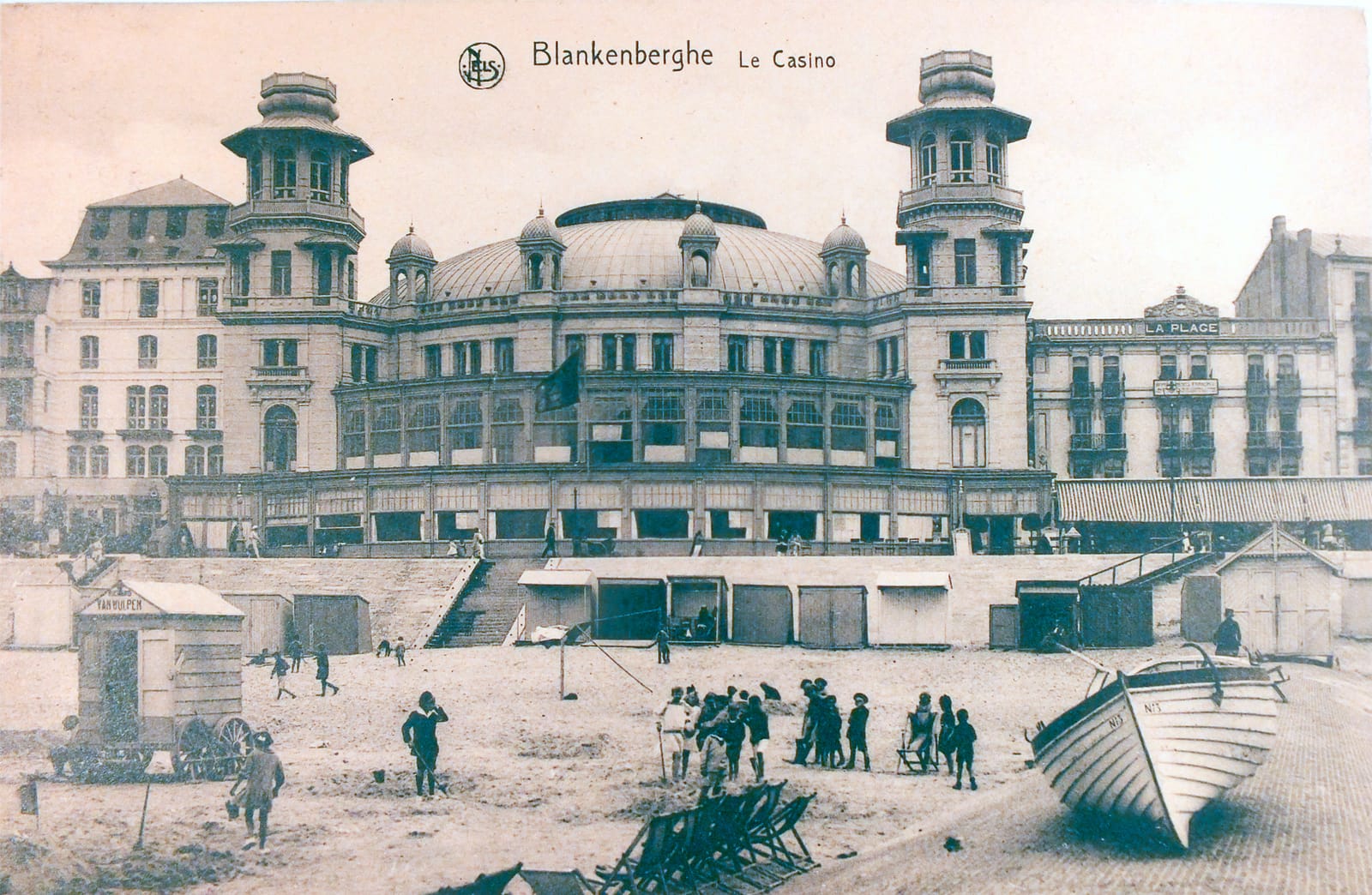
Take a stroll ErfgoedApp Blankenberge with the ErfgoedApp and discover the beauty and historical gems of this lively coastal town. During this historical walk, you’ll see how Blankenberge evolved from a small fishing village into a bustling seaside resort in the mid-19th century.
With the rise of tourism during the Belle Époque, the city became a popular destination for wealthy vacationers, a legacy that is still evident in its streetscape and architecture. At the same time, its maritime heritage tells the story of the city’s former fishing community, which disappeared around 1955 but whose presence can still be felt in the city today.
ErfgoedApp
Knokke — The Zwin Nature Park
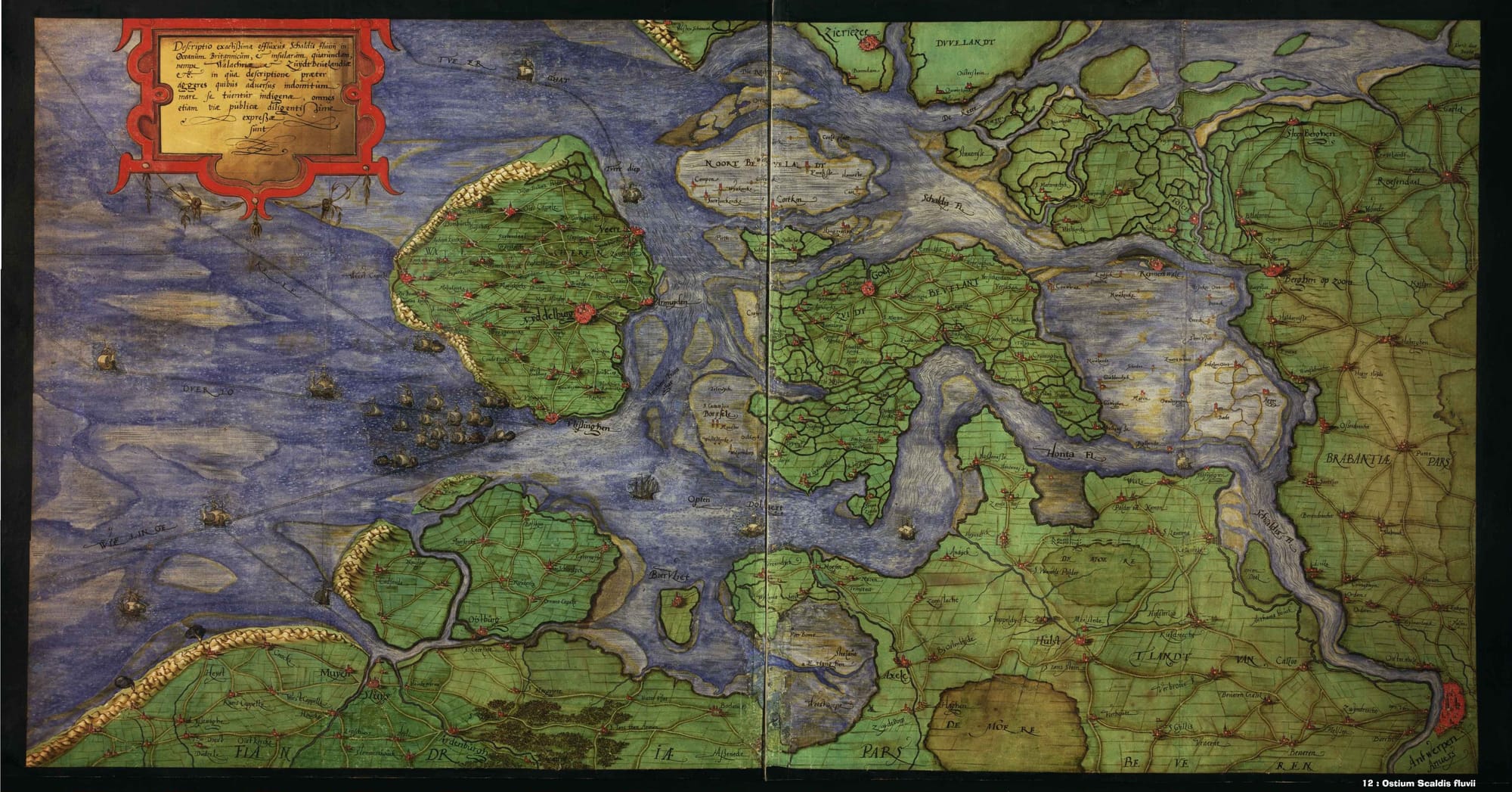
Discover the Zwin region in a surprising way. This interactive walking tour, developed by history students at Ghent University, guides you through time with audio clips. Four voices—the sheep, the tourist, the nature conservationist, and the farmer—each share their own perspective on how the region has evolved. The route takes you through the Zwin Nature Park and transports you from the early Middle Ages to the 21st century. A fascinating journey through time on foot, where nature and history constantly intersect along the way.
ErfgoedApp