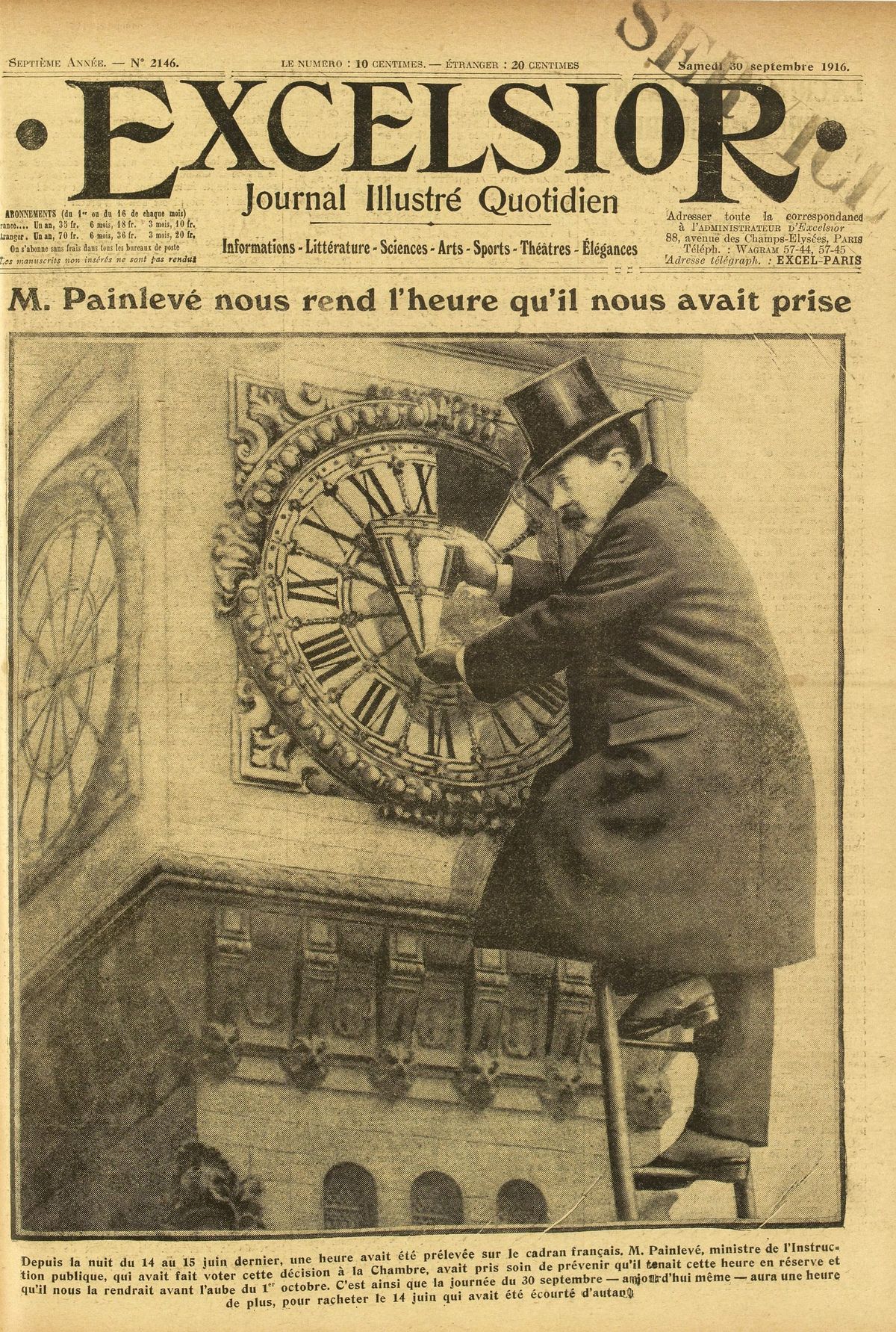
In 1835, the first train on the European mainland departed from Brussels for Mechelen. But who was going to keep track of the schedule? At that time, the time in Belgian cities was still calculated locally based on the sun, and could vary by as much as half an hour from one city to another. You could literally board a train somewhere at three o’clock and arrive at your destination before three o’clock. This caused quite a headache for both passengers and train crews. That is why the government decided as early as 1836 to standardize the time across the kingdom.
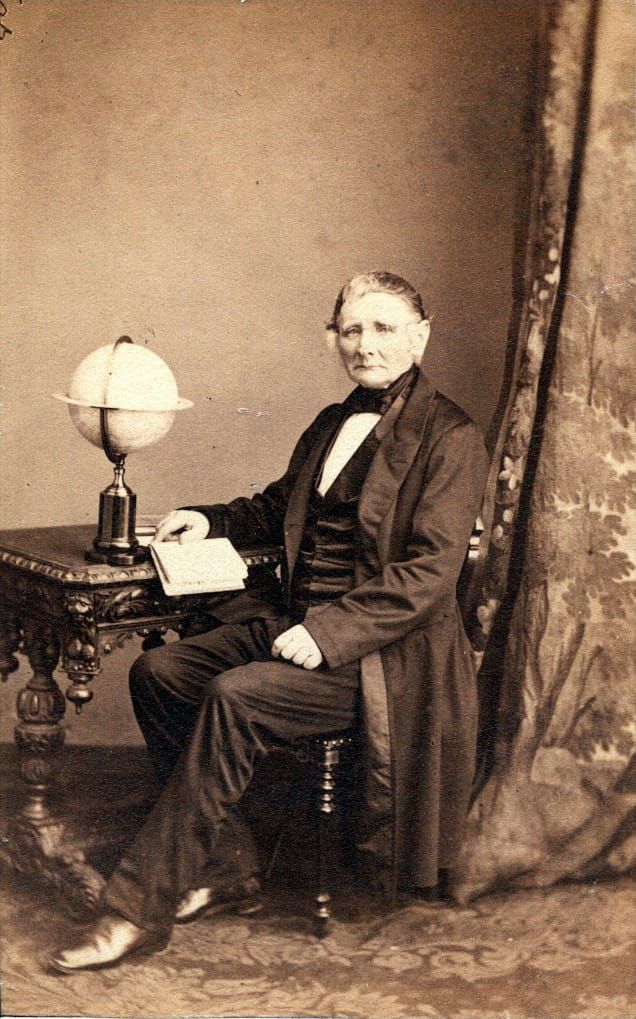
No one was better suited to the task than Adolphe Quetelet, a mathematician from Ghent and the founder and director of the Royal Observatory of Brussels. His mandate specifically stated that one of the goals was to prevent train accidents, especially since there was still only one track for both directions.
Quetelet was commissioned to draw so-called meridian lines in 41 cities. Meridian lines, or “noon lines,” are lines on the ground—for example, marked in copper—onto which rays of sunlight fall exactly at noon through a hole in a window or wall (the “oculus”). They thus define the astronomical noon for that location. They are essentially large-scale sundials. The Quetelet meridian in Antwerp Cathedral was retested in 1995. It proved to be accurate to within 3 to 5 seconds.
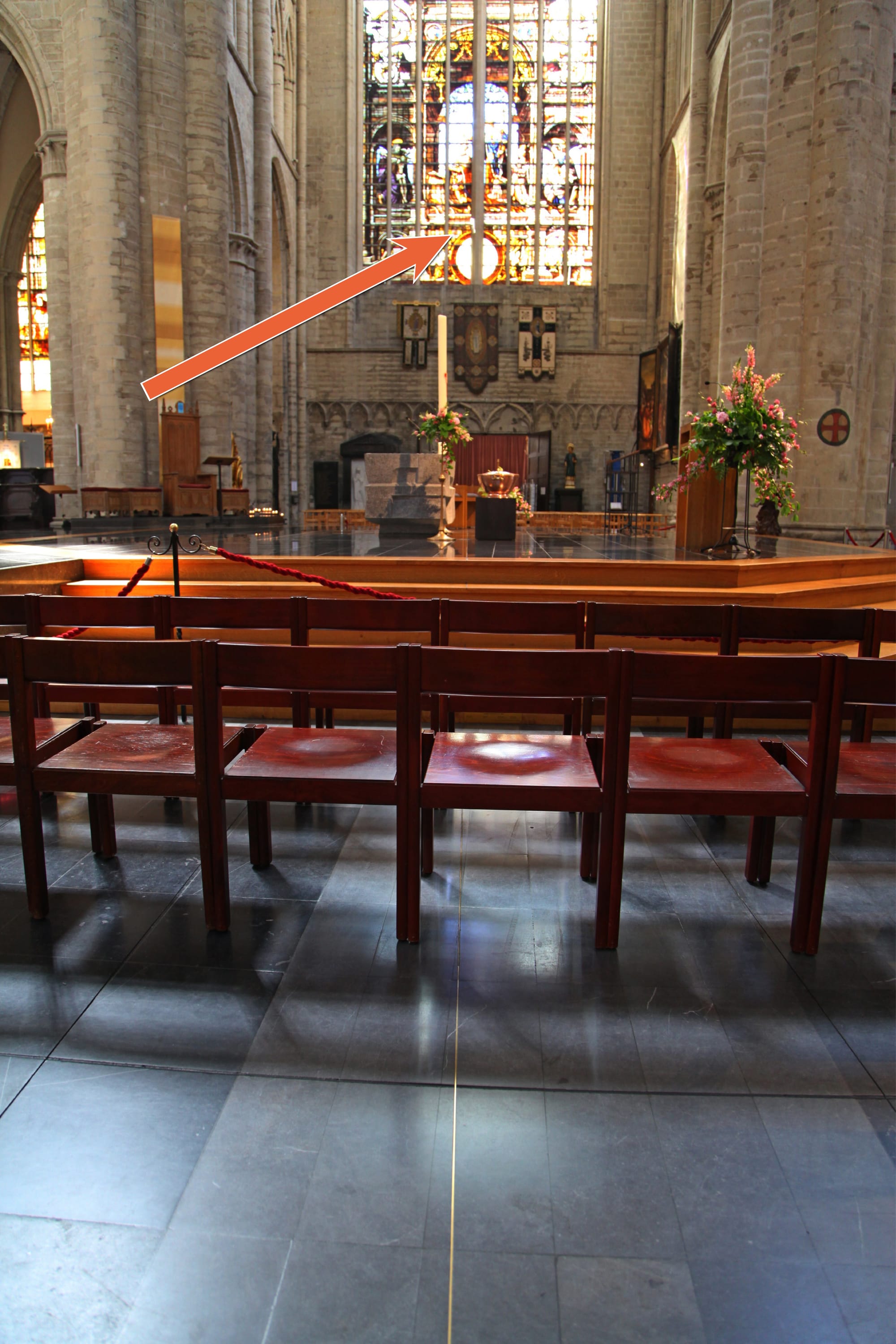
Quetelet ultimately built only 11 meridian lines. Eight of them can still be found today, including in the cathedrals of Brussels and Antwerp, on the Grote Markt in Bruges and Lier, in St. Martin’s Church in Aalst, and in the Church of Our Lady in Dendermonde. Fortunately for Quetelet, the electric telegraph was introduced shortly thereafter, rendering the meridian lines obsolete. Every morning at 6 a.m., the time was transmitted via telegraph from Brussels to all stations, where the clocks were then set to the same time. While the trains ran on the same schedule, the rest of the country still operated on local time. It was not until 1892 that the same time was observed throughout Belgium.
This story was created by Geheugen Collectief for FAAM – Virtual Museum.
 ErfgoedApp
 Maxine Willemsen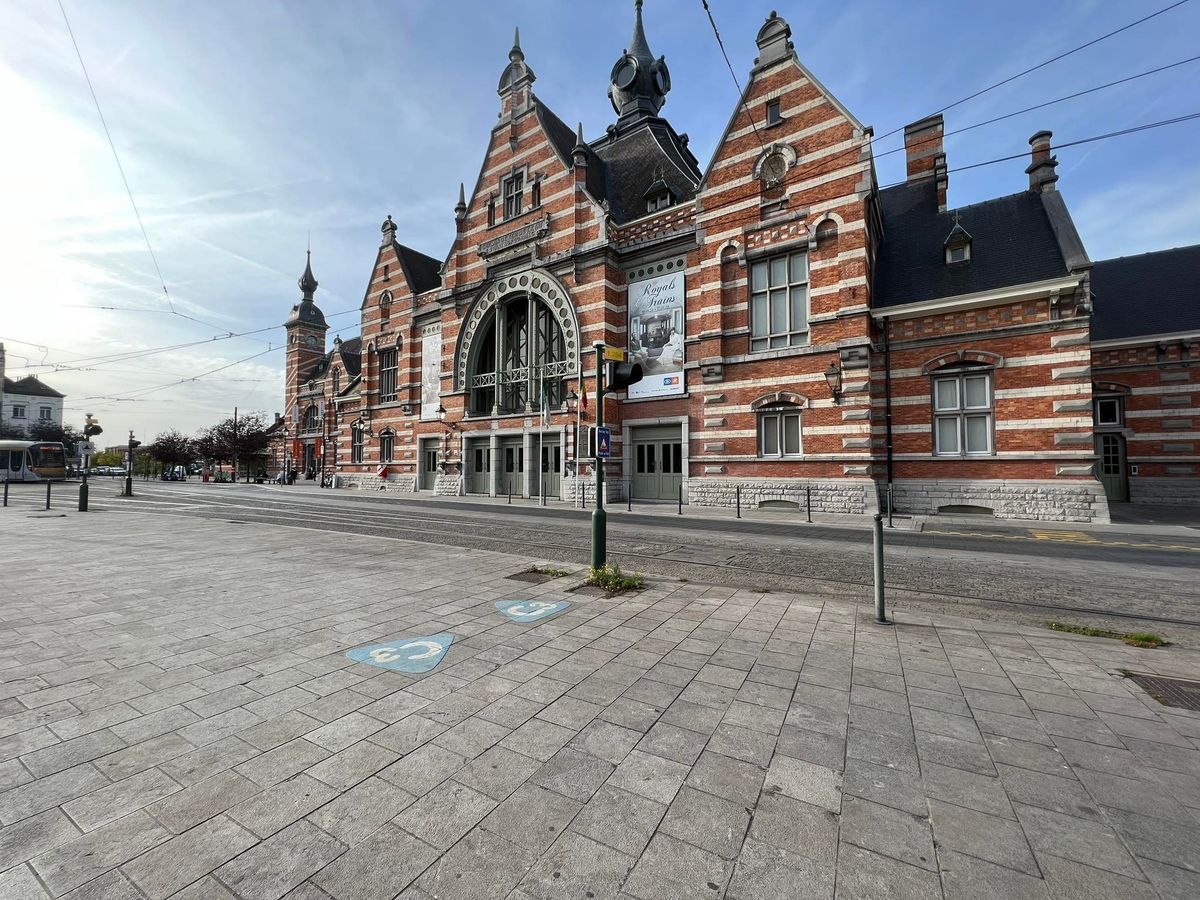
 FAAM
FAAM