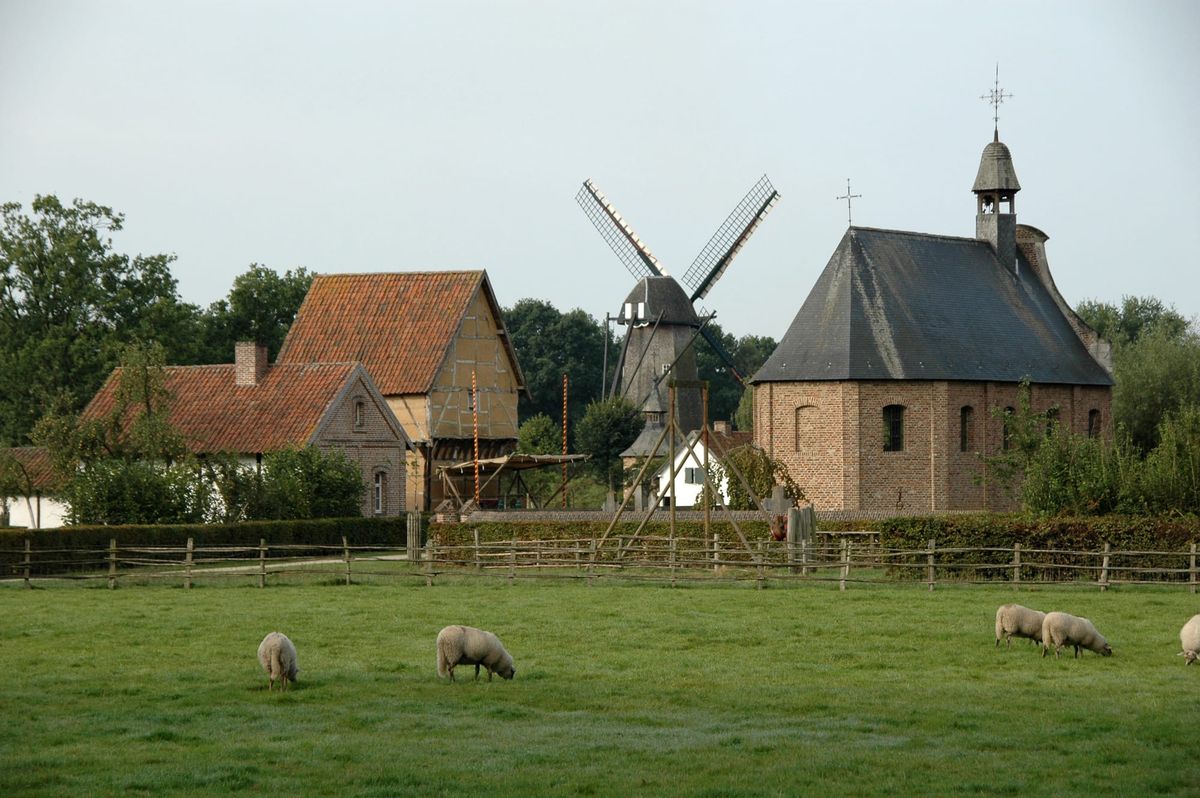
The decision to protect heritage often comes only when that heritage is in danger of disappearing. In the first half of the 20th century, no highways yet crisscrossed the Flemish countryside, and ribbon development had only just begun to gain ground. Yet some people noticed that a way of life, work, and living that had remained largely unchanged for centuries was disappearing. Scholars, artists, and politicians viewed this through nostalgic eyes and with a healthy dose of romanticization. A few of them decided to take action.
The countryside as a guide to the past?
During the interwar period, folklorists began cataloging rural architecture, often based on field research. It turned out, as one might expect, thathowpeople lived depended heavily onwherethey lived. In less fertile areas, such as the sandy Kempen region, one would find long-fronted farmhouses, with a living quarters, stable, and barn all under one roof. In loam-rich regions, half-timbered structures were common, with walls made of wood, loam, and straw. Prosperous regions such as Haspengouw were home to large brick square farmhouses that sometimes resembled castles.
Painter Charles Wellens, Limburg Governor Louis Roppe, and local historian Jozef Weyns wanted to take things further. They wanted not only to document, but also to preserve. Inspired by examples from Scandinavia and the Netherlands, they dreamed of an open-air museum featuring farms and other rural buildings. They planned to dismantle these structures throughout Flanders and reassemble them at the museum.
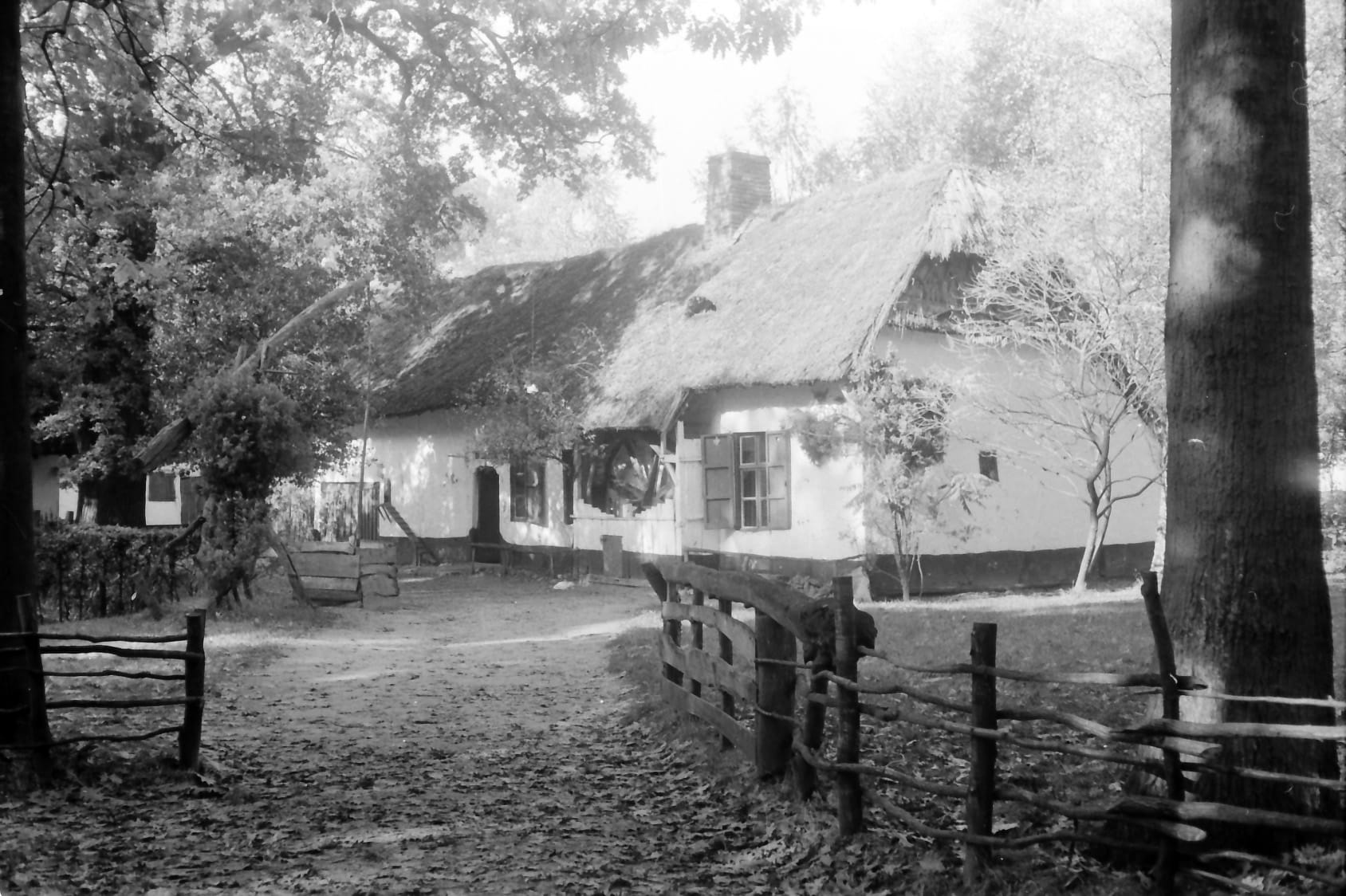
The Flemish Open-Air Museum
On October 6, 1953, the province of Limburg decided to establish an open-air museum of Flemish rural life in Bokrijk. The first visitors arrived in 1958, the same year that technological advances were showcased at Expo 58 in Brussels.
The reconstruction of homes that had been demolished elsewhere had already begun in 1954 with the Engelenhoeve from Lummen, a typical Kempen-style long-facade farmhouse. Over the following years, a team of workers relocated homes, barns and stables, mills, an inn and a brewery, two village churches, bakehouses, wells, and more. Today, the museum features 124 historic buildings, primarily dating from the late 17th through the 19th centuries. They are arranged by cultural landscape around several village squares: the Kempen, Haspengouw, and East and West Flanders.
This story was created by Geheugen Collectief for FAAM – Virtual Museum.
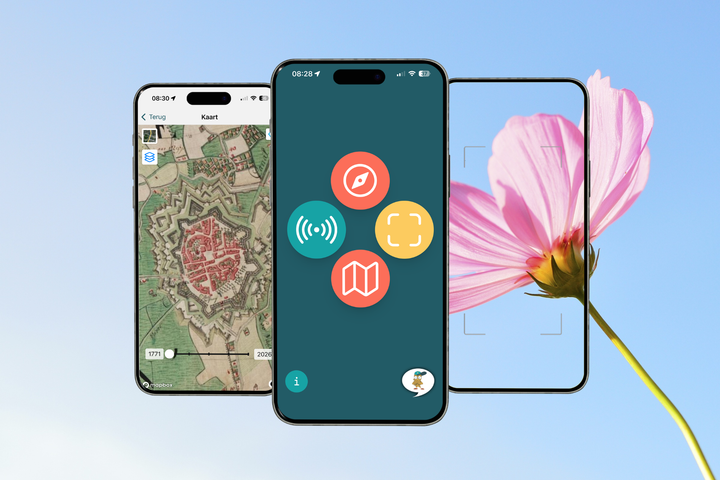
 ErfgoedApp
 ErfgoedApp