
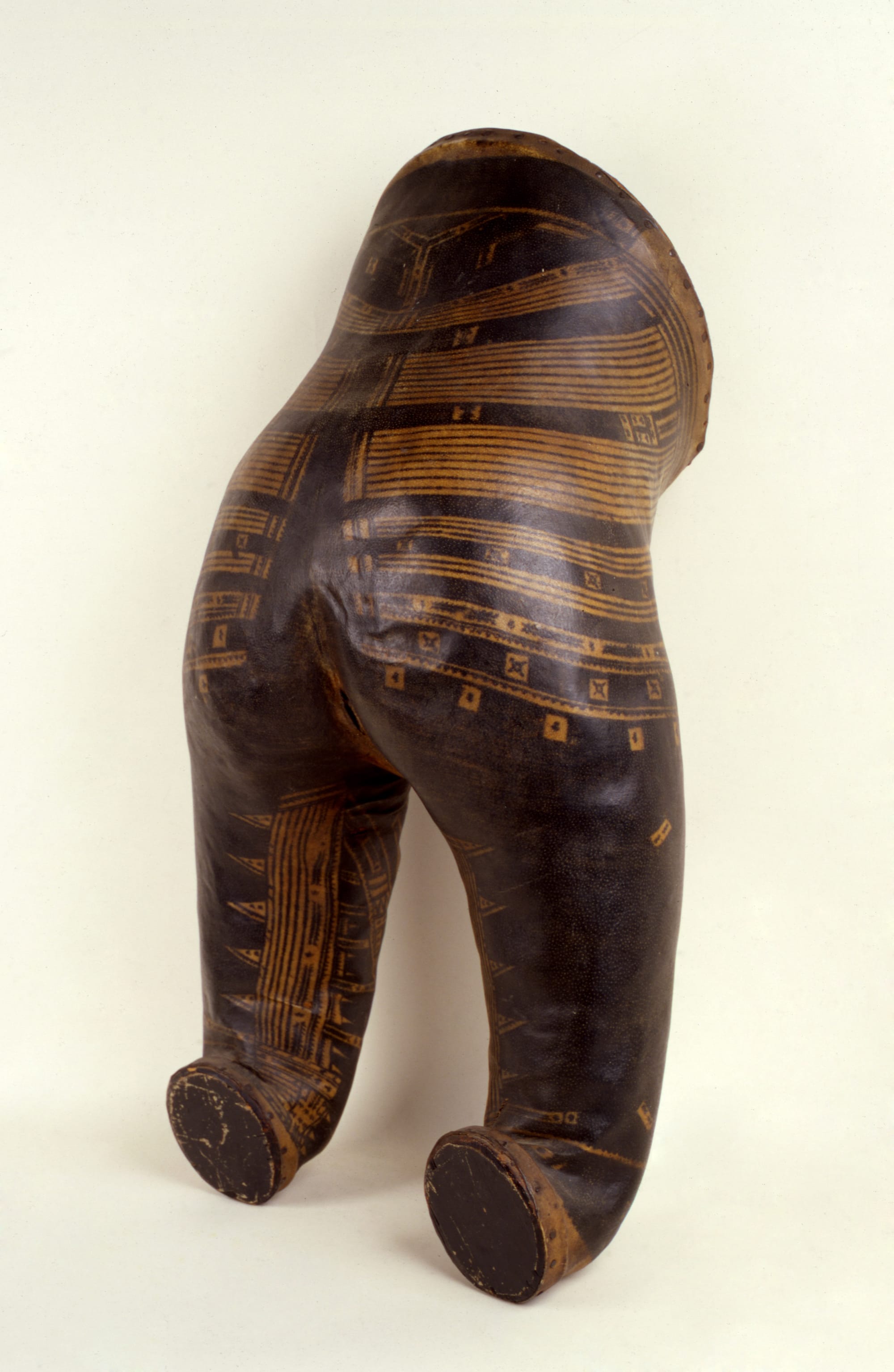
In the late 19th century, a man from Samoa, an island in Polynesia, was in Brussels when he died of measles. The ULB’s medical school preserved his tattooed skin as a study specimen and a curiosity. (Today, there is a debate over whether it is ethical to continue exhibiting such human remains.) The fact that the heavily tattooed man came from Polynesia was no coincidence.
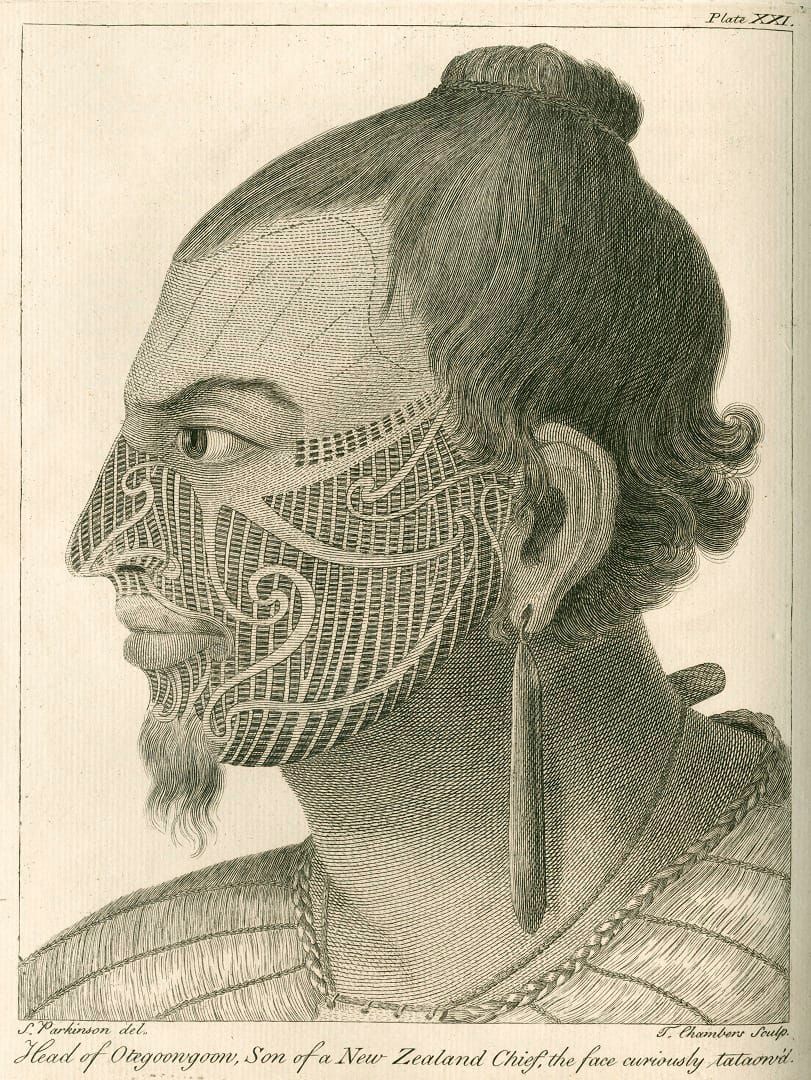
The term “tattoo” actually originates from that island-rich region in Oceania, specifically from Tahiti. The British navigator James Cook first heard it during his first voyage across the Pacific Ocean (1768–1771). On board his HMS Endeavour was the botanist and artist Sydney Parkinson, who introduced the Tahitian word“tatau”into the English language in his travel journal.
Tattoos were nothing new to 18th-century Europeans. The oldest mummy found in Europe, “Iceman” Ötzi, had 61 of them.
The practice also existed in ancient times and may never have completely disappeared during the Middle Ages. However, starting in the 15th century, Europe’s voyages of discovery and conquest did give it a new perspective on the use of tattoos in other cultures.
Polynesian body art greatly captured the imagination of Europeans. In the Fiji Islands, only girls were tattooed—without them, they could not marry. For the Maori (in present-day New Zealand), facial tattooing was a sacred ritual. In Tonga and Samoa, warriors were completely tattooed from the waist down to below the knee.
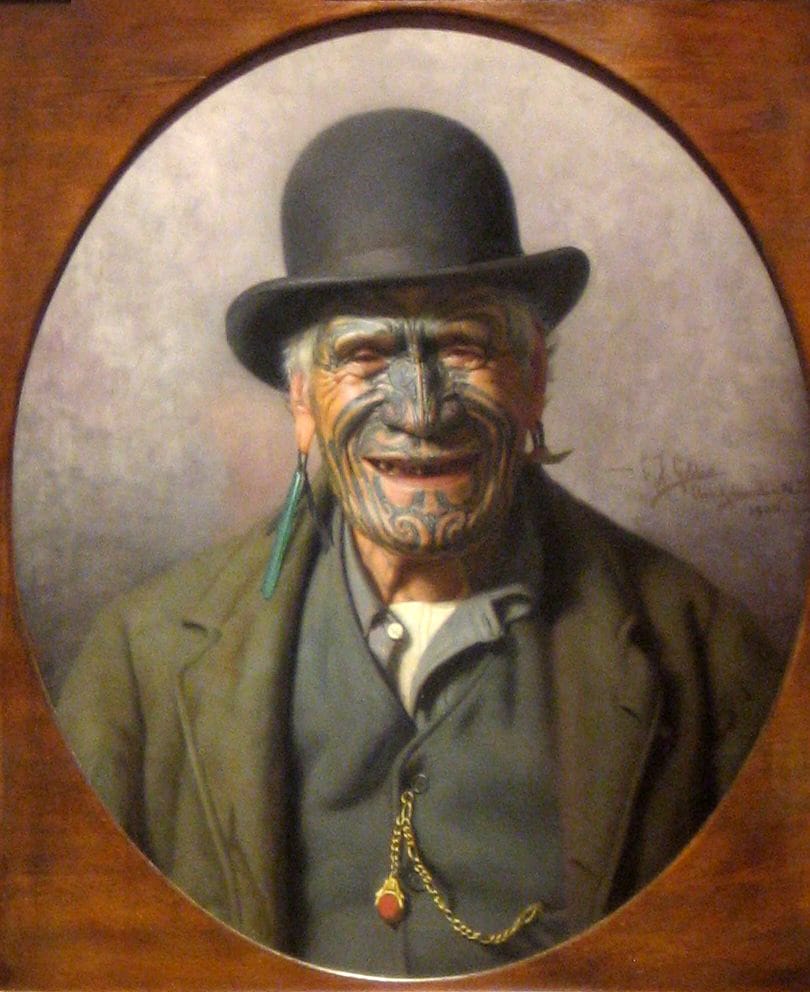
In various places, the (Christian) colonial powers banned centuries-old tattooing traditions. A revival emerged in the second half of the 20th century, although governments sometimes continued to ban manual tattooing using wooden and bone tools, often for health reasons, as was the case in French Polynesia in 1986. Polynesian tattoos also inspired Westerners to adopt “tribal tattoos.” However, using elements of a culture or religion to which one does not belong is considered disrespectful by some.
This story was created by Geheugen Collectief for FAAM – Virtual Museum.