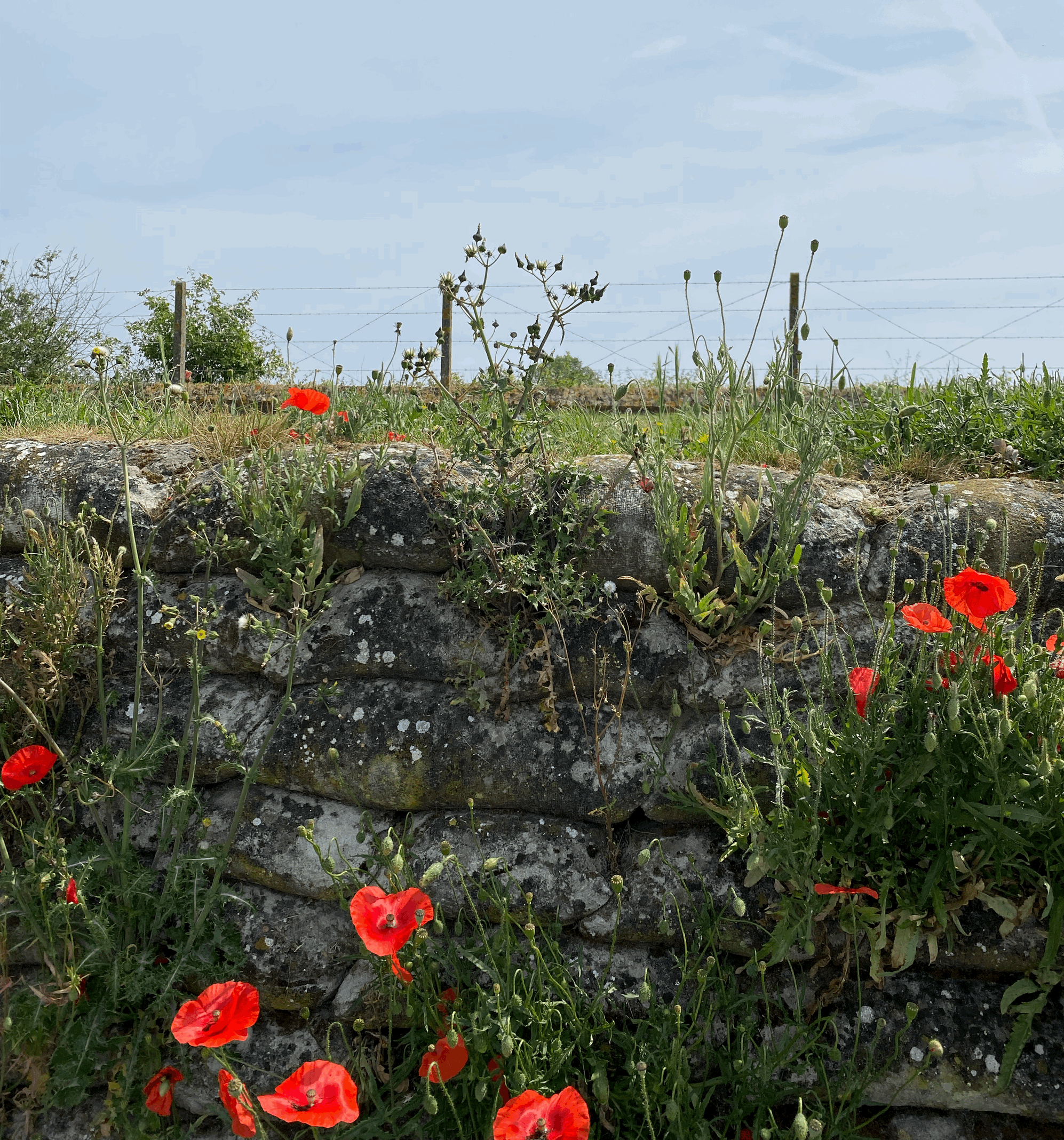
World War I may seem like a distant memory, but in the Westhoek, the past is never completely forgotten. You can still find trenches, bunkers, and cemeteries there. But traces of the war are also visible in the landscape.
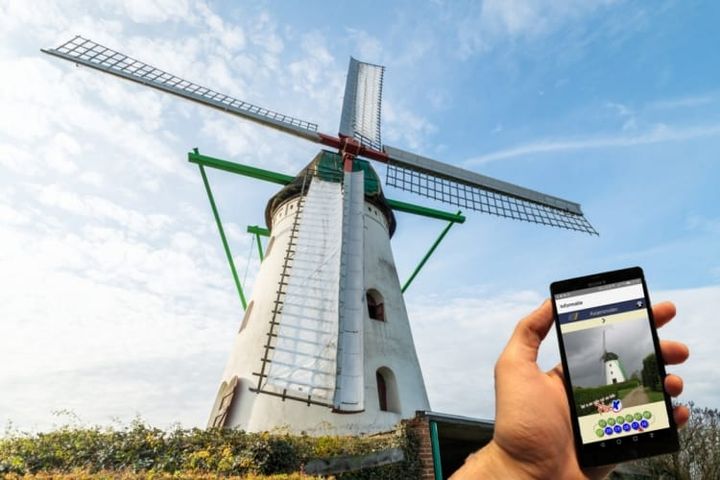
With the “ ErfgoedApp ,” you can set out on your own journey of discovery this summer. Walk or bike past special sites and listen to stories along the way about soldiers, aviators, artists, and ordinary people. From the “Dodengang” in Diksmuide to Charles Pil’s postwar reconstruction architecture: each route offers a different perspective on the scars left by the Great War.
The Belgian Front, 1914–1918
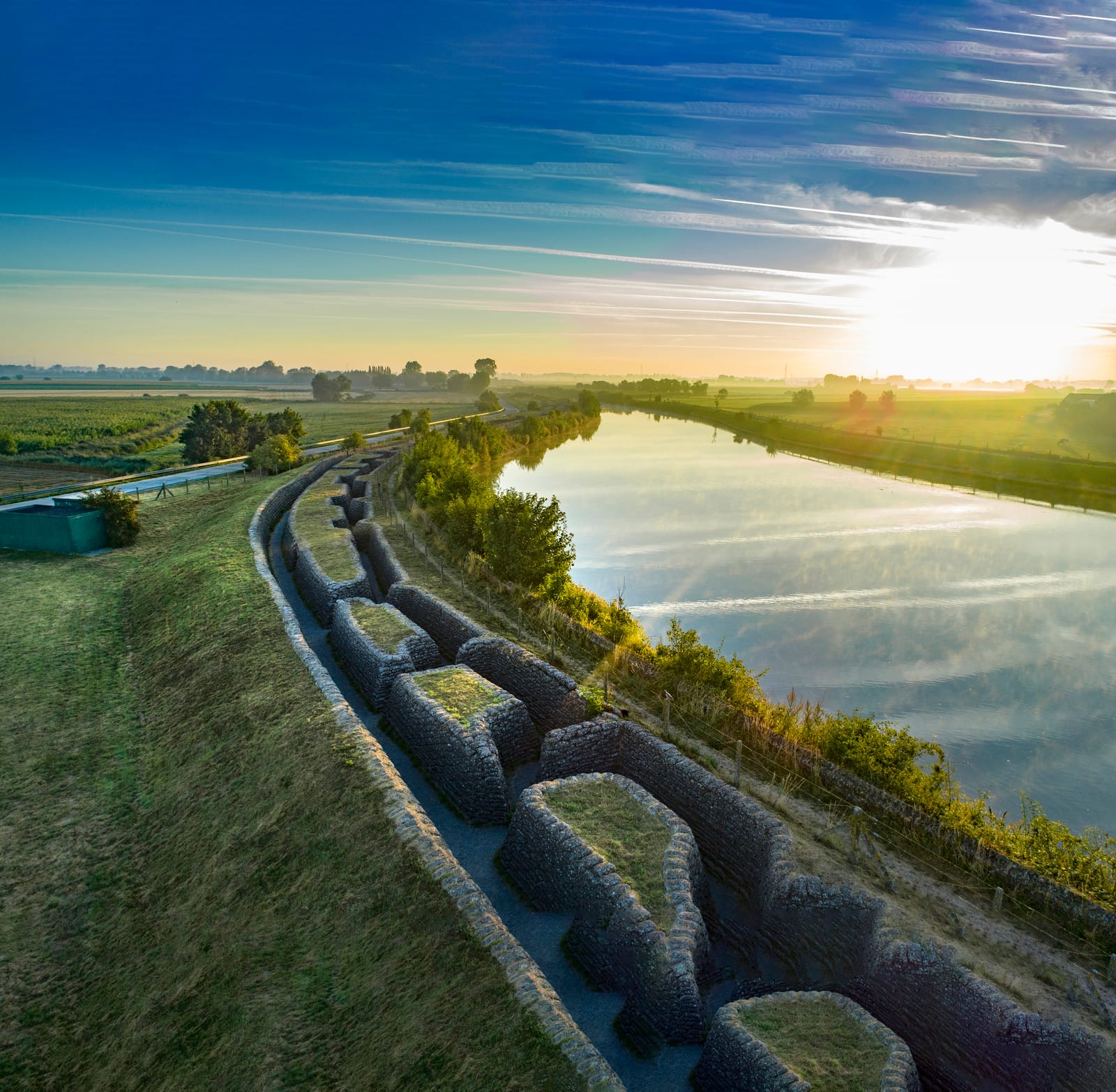
A visit to the Dodengang in Diksmuide leaves no one unmoved. During World War I, Belgian and German soldiers faced off here for years, separated by little more than a narrow strip of water. Today, the trenches, bunkers, and firing positions are still visible.
With the “ ErfgoedApp ,” you’ll discover this special place in an especially fascinating way. Historical photos appear at the exact locations where they were taken more than a hundred years ago. This allows you to compare today’s landscape with that of the past, bringing history back to life among the silent witnesses of the war.
Bonus: Families with children can join Soldier Jan on a discovery tour as part of a special family tour.
 ErfgoedApp
 ErfgoedApp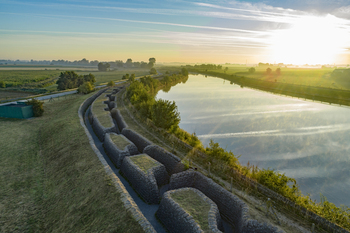
Cycling with Hendrik Geeraert
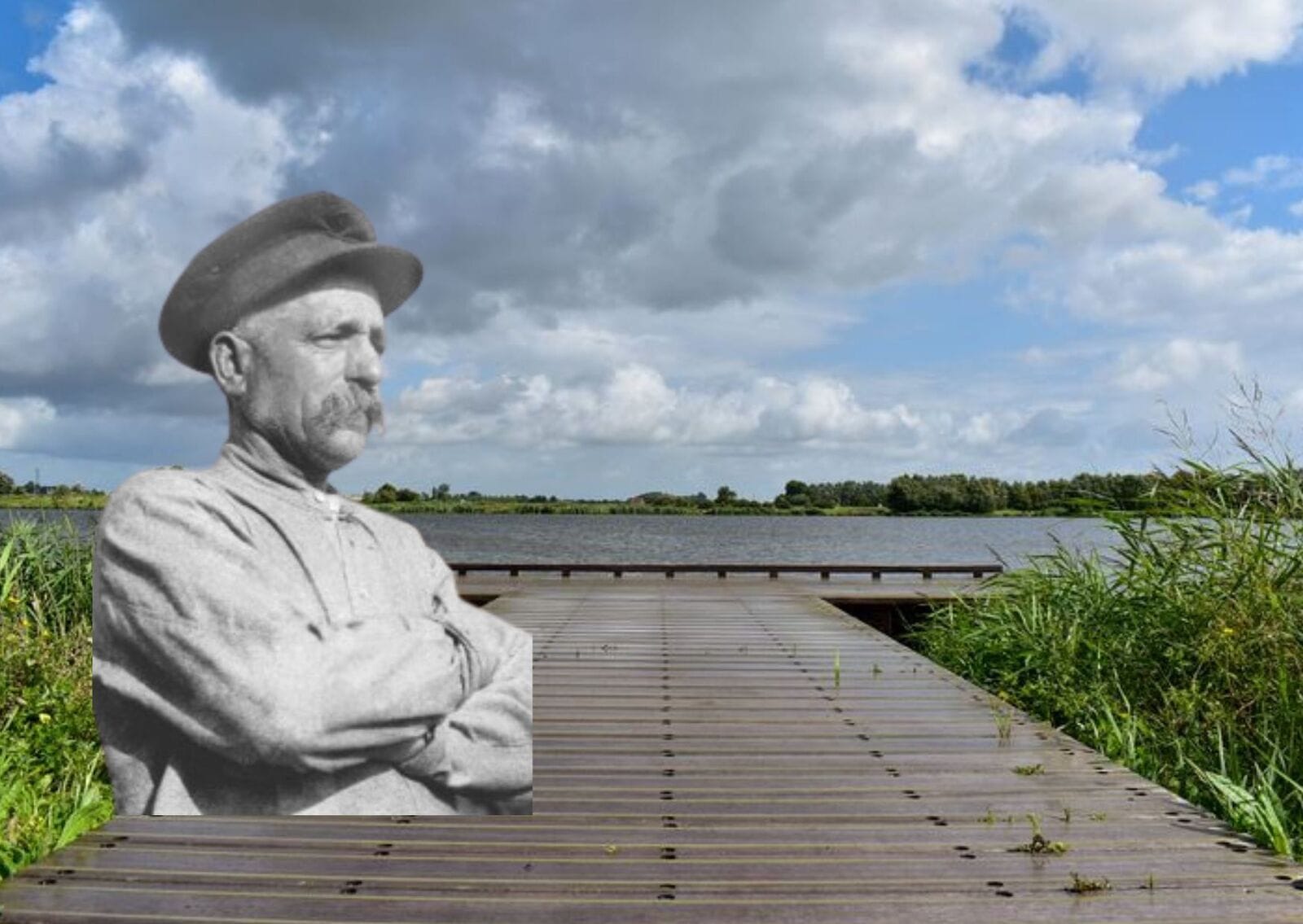
Hop on your bike and explore the area around Nieuwpoort, Middelkerke, and Diksmuide with Hendrik Geeraert. This 44-kilometer loop takes you past nature reserves, the lock complex and the port of Nieuwpoort, the Fort of Nieuwendamme, and the Frontzate.
Along the way, you’ll discover how water and the landscape played a key role during World War I. Hendrik Geeraert, the Nieuwpoort skipper who helped flood the IJzer Plain, takes you to places where his story and the history of the front converge.
 ErfgoedApp
Flyboys: In the Footsteps of War Pilots
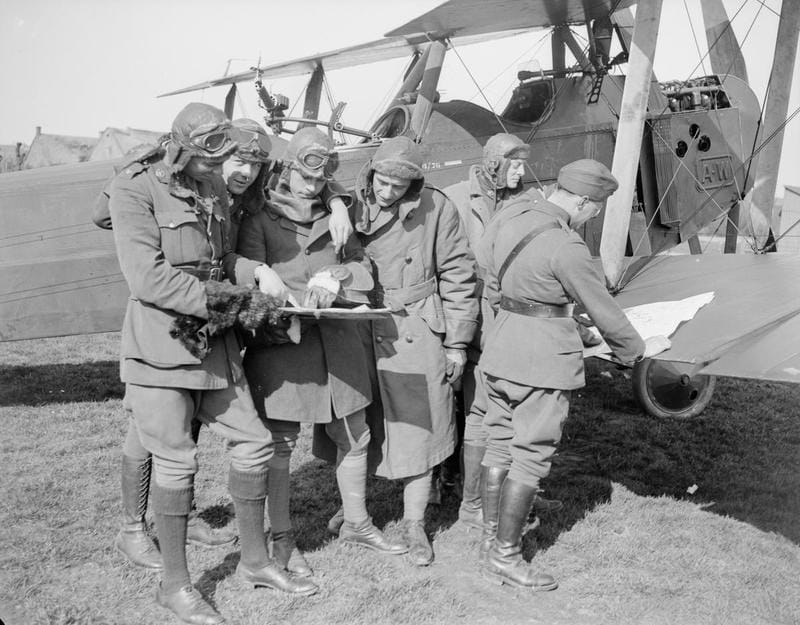
Hop on your bike and discover the story of the pilots who flew over the Westhoek region during World War I. The 35-kilometer loop route starts at Lijssenthoek Military Cemetery and takes you past the former airfields of Abele, Proven, De Lovie, and Het Hooghe.
Along the way, historical photos and videos bring the past to life. You’ll hear stories from pilots, observers, and other eyewitnesses and discover how the war was experienced from the air. The route takes you to Mendinghem Military Cemetery and Nine Elms, among other places, and also makes a brief detour to World War II.
 ErfgoedApp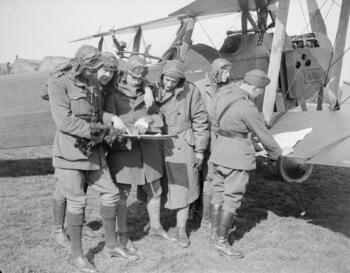
Out for a Walk with Charles Pil
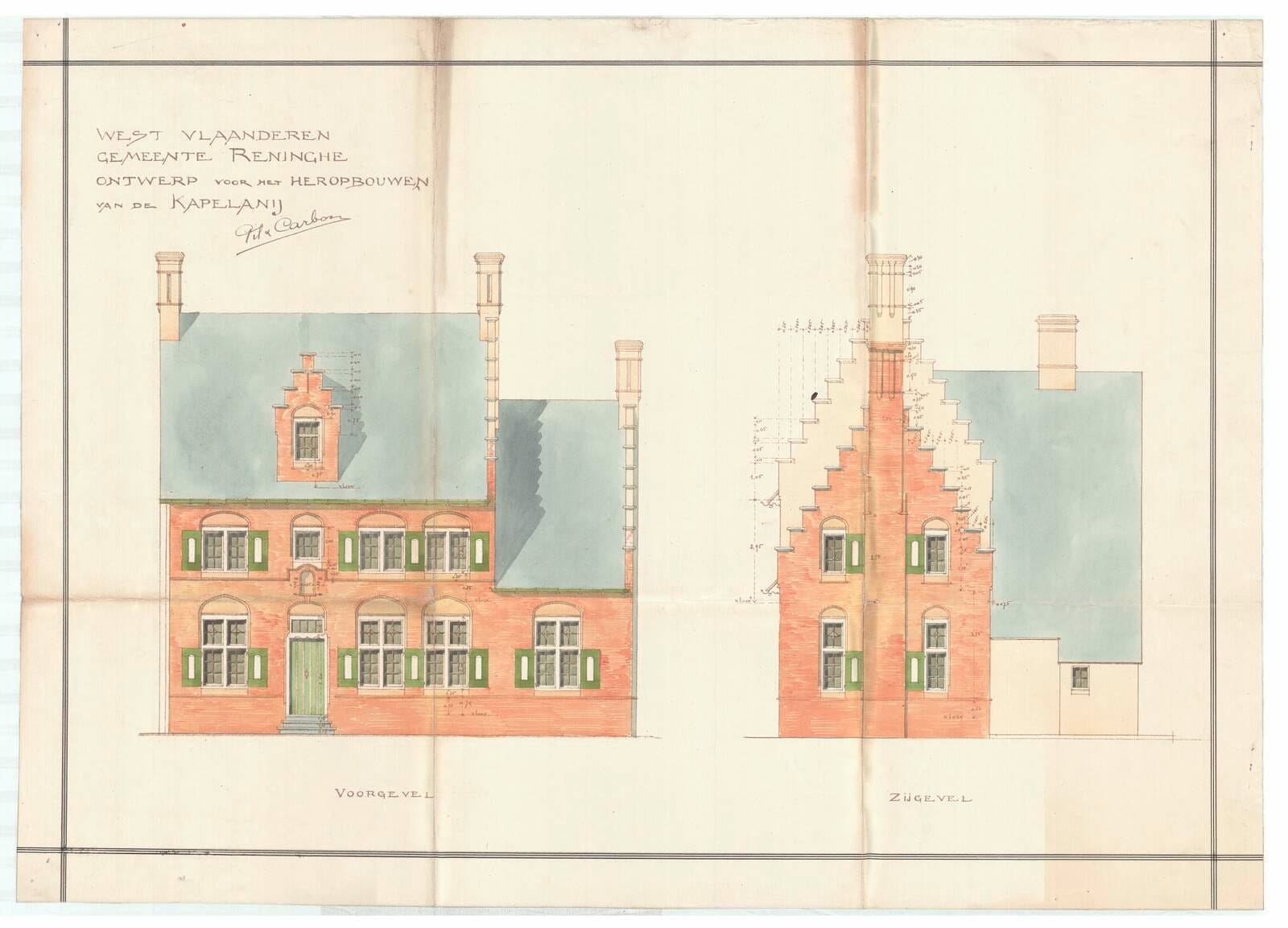
After World War I, many towns and villages in the Westhoek region lay in ruins. Architect Charles Pil, together with his partner Henri Carbon, played a key role in the reconstruction. Their buildings continue to give the landscape its distinctive character to this day.
With the " ErfgoedApp ," you can explore their work on walks through Lo-Reninge, Nieuwpoort, Middelkerke, and Oudenburg. You’ll stroll past stately mansions, striking facades, and buildings full of character, and discover how Pil and Carbon combined historical styles with the needs of a new era.
 ErfgoedApp
 ErfgoedApp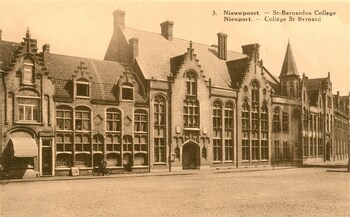
 ErfgoedApp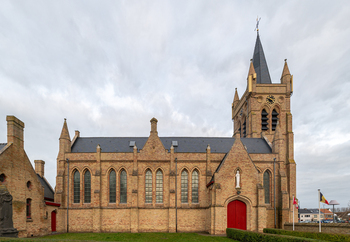
 ErfgoedApp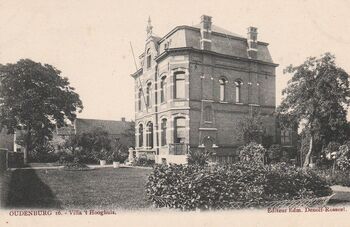
The devastated region
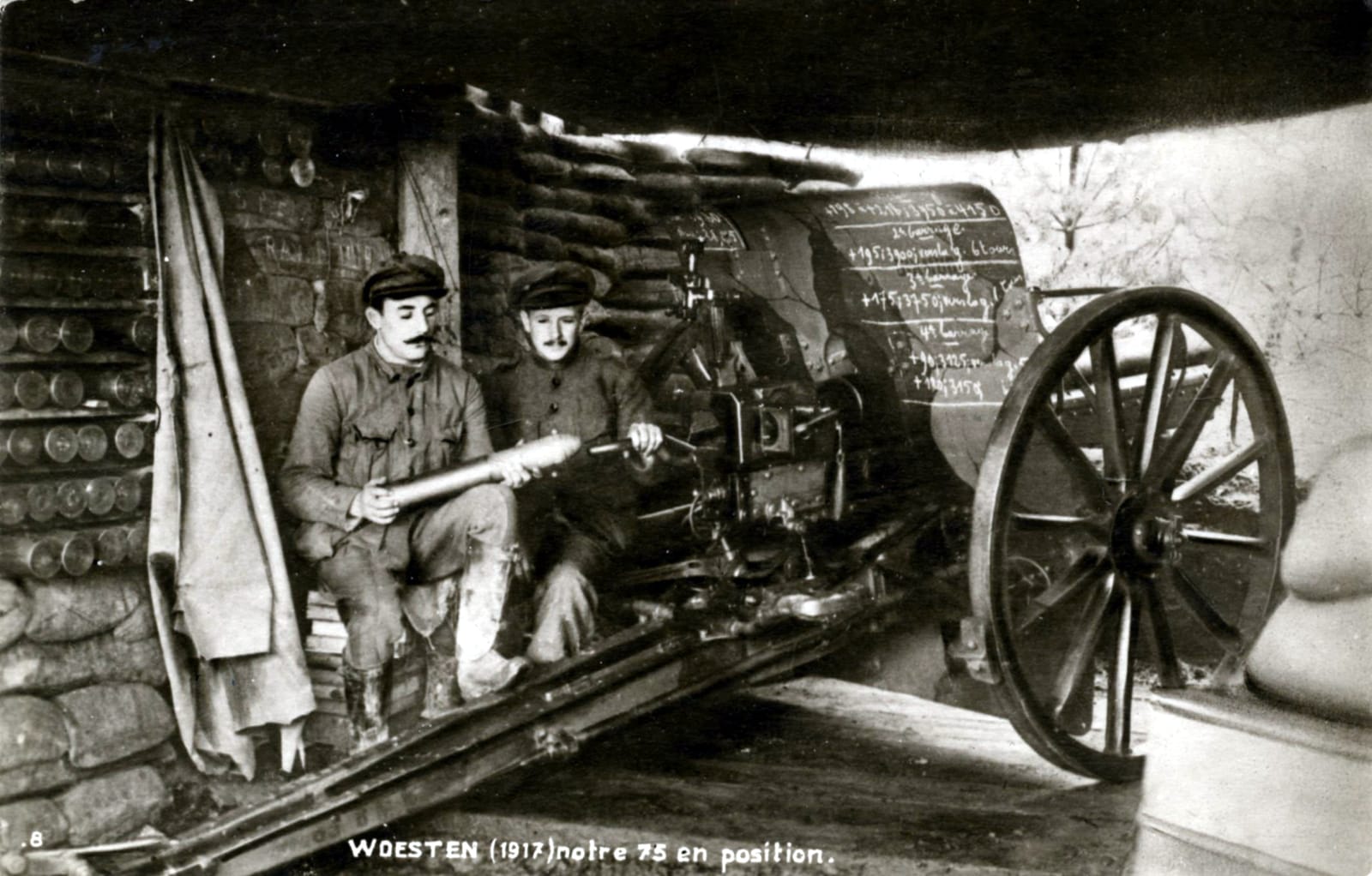
What was Woesten like during World War I? On this 6.2-kilometer walk, you’ll discover how the village changed dramatically between 1914 and 1918.
You’ll pass by visible and faded traces of the country’s wartime past and, through historical photographs, discover how the war shaped the landscape and daily life.
 ErfgoedApp
The Scars of the Front: Liksems
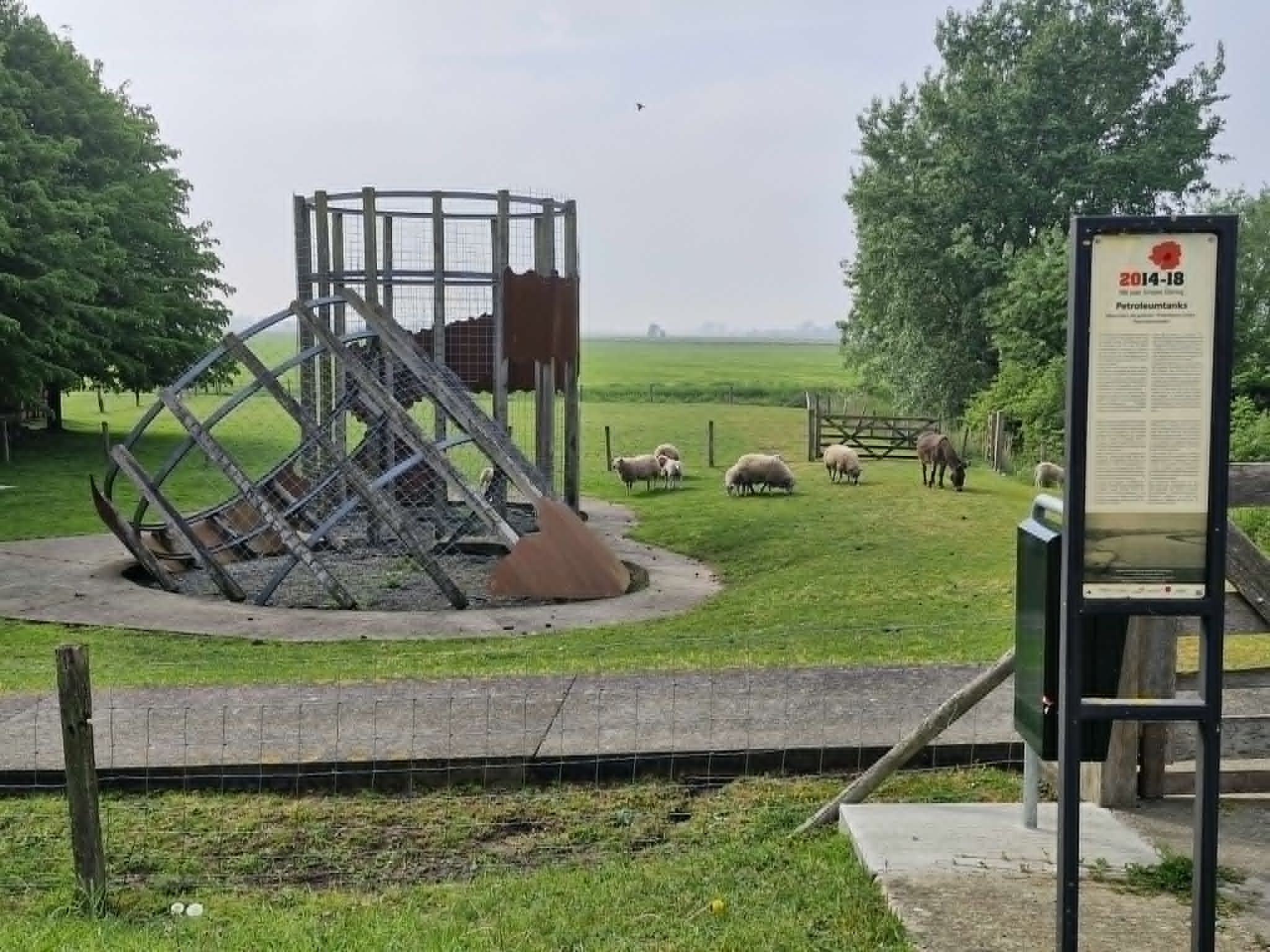
TheLiksems Routes let you discover the landscape around Diksmuide through the eyes of people who experienced the war firsthand. During two family-friendly walks, you’ll explore Kaaskerke and Oostkerke, villages that were largely rebuilt after World War I. Along the way, photos and stories illustrate how the landscape changed and which traces of that change are still visible today.
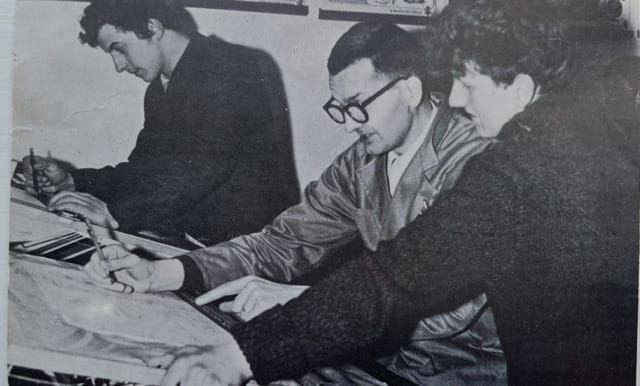
Prefer to ride a bike? Then follow in the footsteps of the front-line artists Charles Fouqueray or Karel Van Lerberghe. Their sketches and stories offer a unique perspective on the former front-line area.
 ErfgoedApp
 ErfgoedApp
 ErfgoedApp
 ErfgoedApp