In 1876, Swiss doctor Walter Hermann Bion observed the conditions in which children in Zurich’s working-class neighborhoods were living. Concerned about their poor health, he took a group of them on vacation in 1876. There, he coined the term “vacation colony.”
That idea soon spread to Flanders. Before World War I, only wealthy families could afford to go on vacation to the seaside. Working-class children in the cities lived in poor conditions and often suffered from lung diseases. In 1886, a group of children from Brussels went on vacation to the Hageland for the first time. Other cities soon followed suit. Everywhere, charitable organizations, religious orders, and labor unions took it upon themselves to offer children vacations in the fresh air.
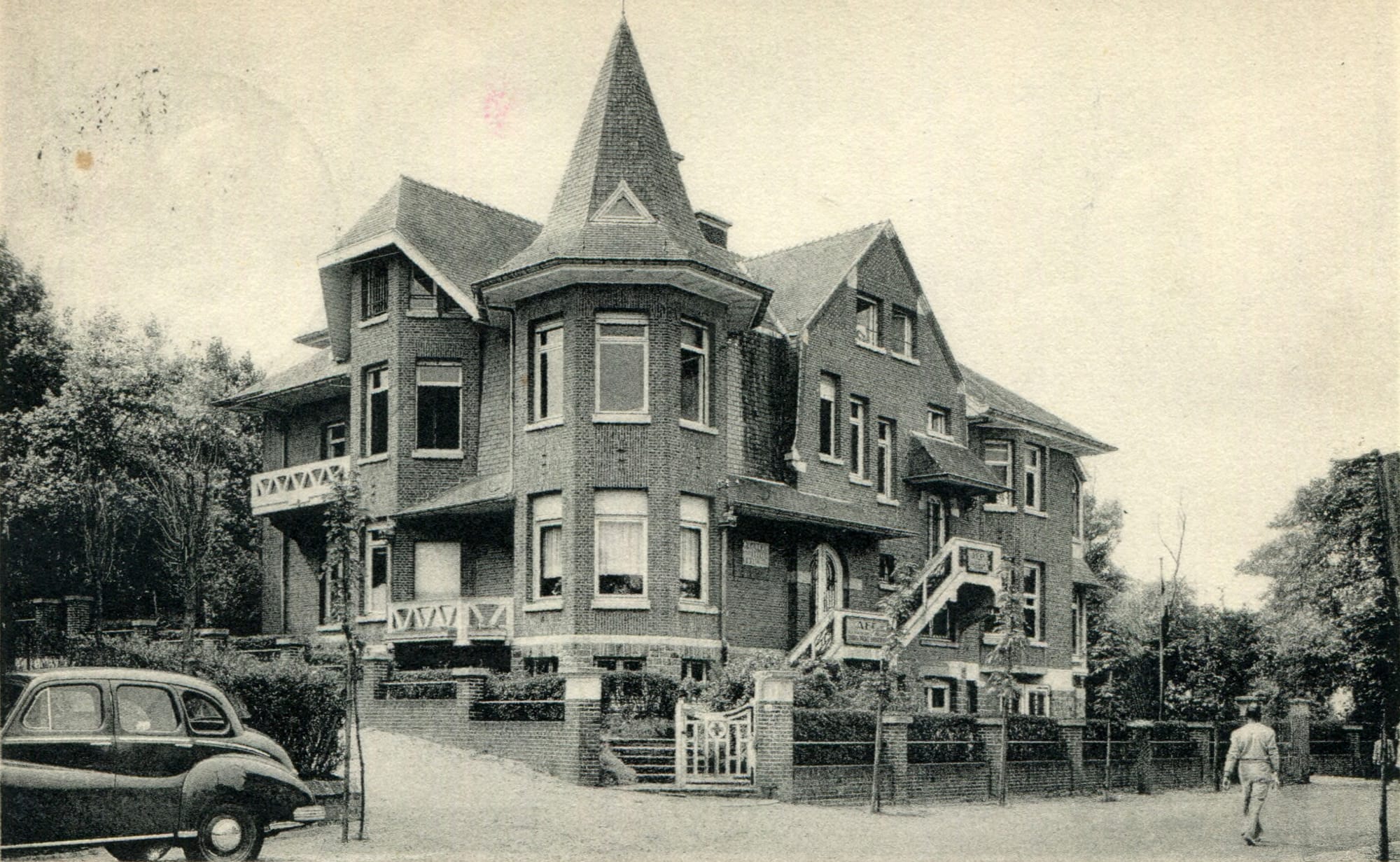
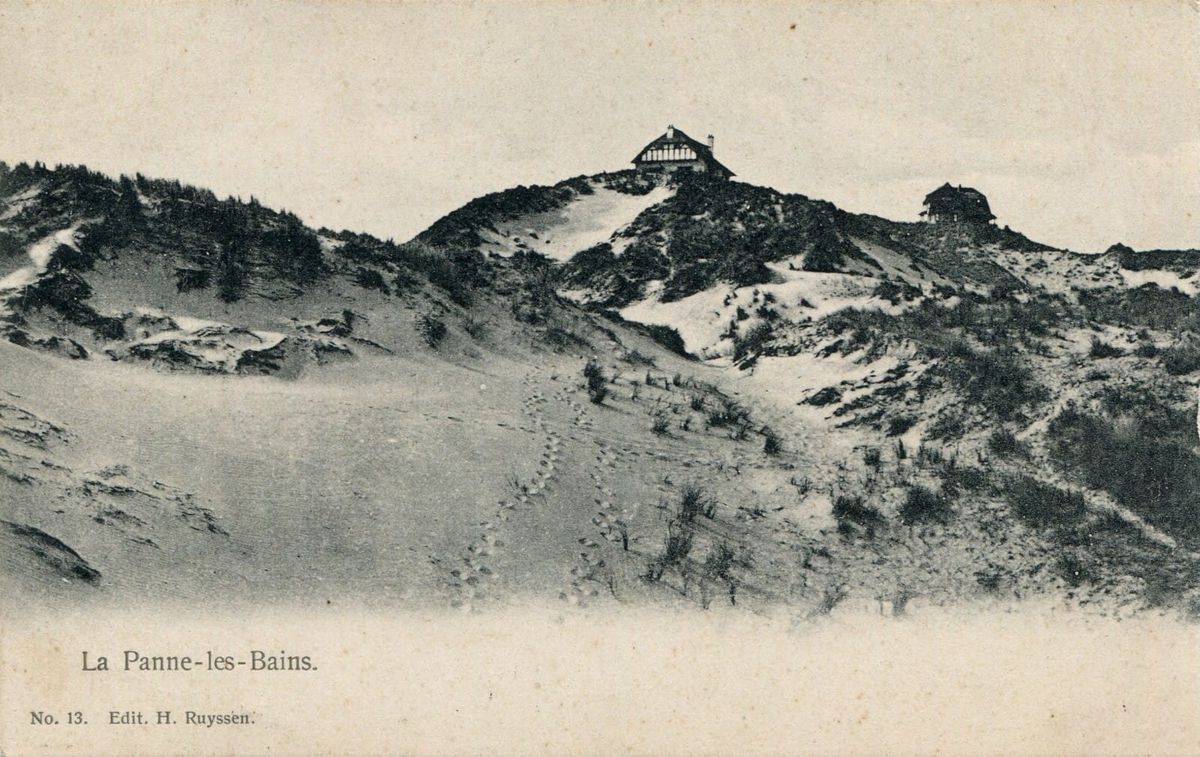
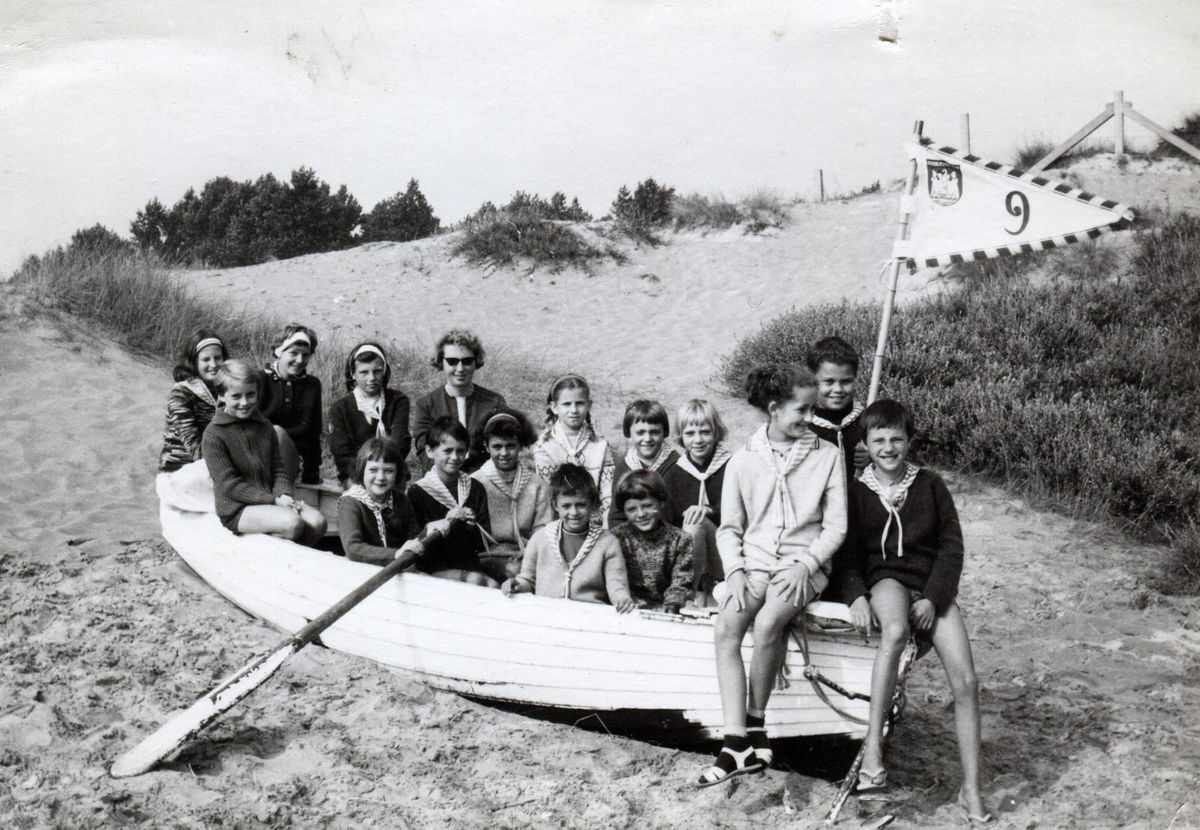
The coast was the favorite destination. From Knokke-Heist to De Panne, the area was teeming with summer camps. The children often wore a uniform scarf in the political colors of the organizers. After World War II, most summer camps were owned either by the Christian or the Socialist Health Insurance Funds.
Until the 1960s, the emphasis was on group activities, a regular routine, and high-calorie meals. At many summer camps, the children were weighed upon arrival and departure. The goal was for them to gain enough strength. The children could play sports and games, but they also received supplementary education.
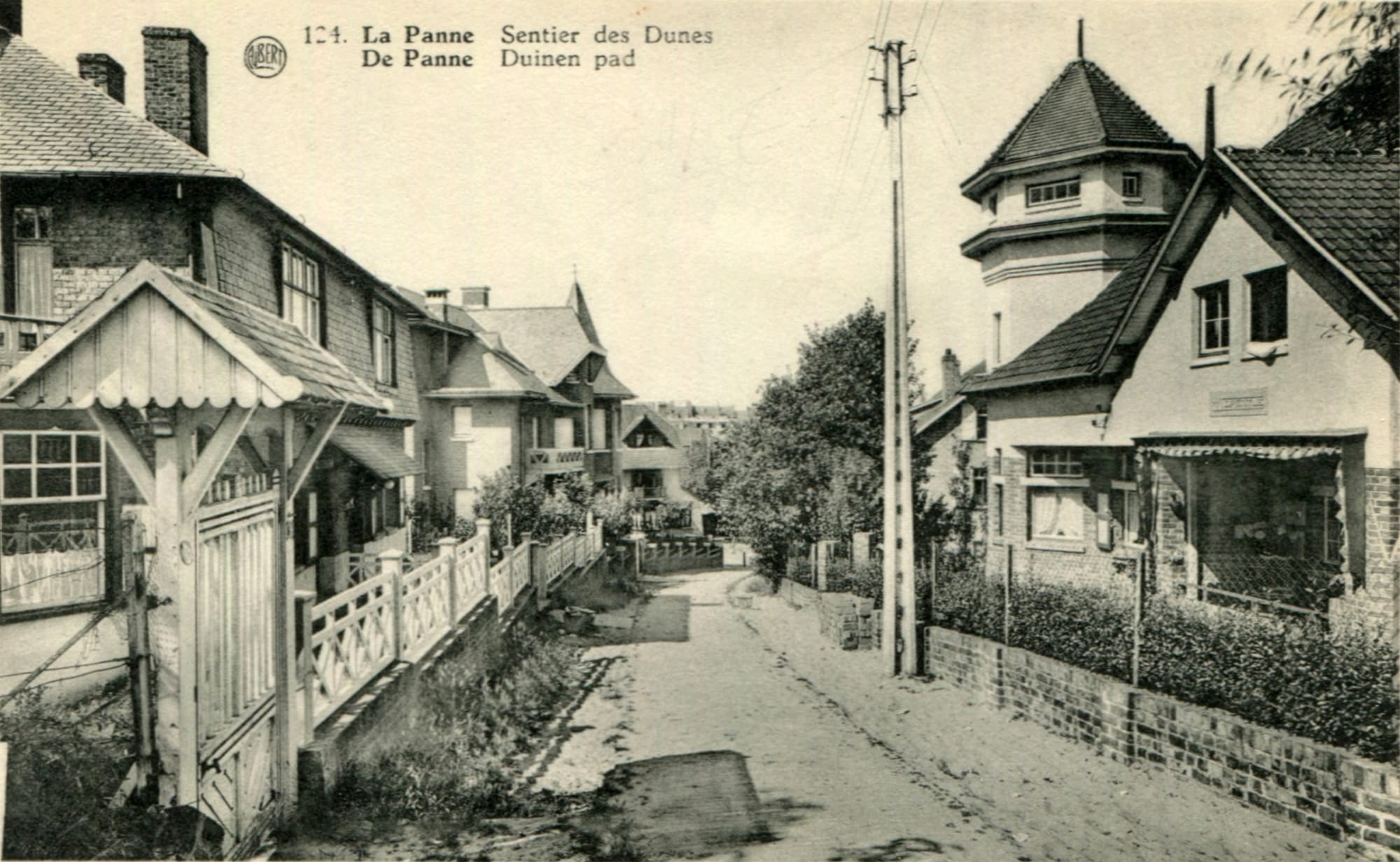
After 1975, vacations and leisure time became more common among the general population. This spelled the end for summer camps. In 1980, the government stopped subsidizing them, and they gradually disappeared.
This story was created by OKV for FAAM - Virtual Museum.
 ErfgoedApp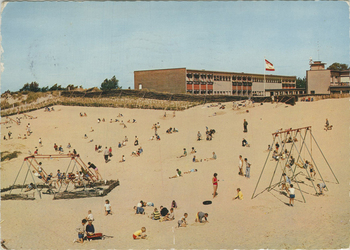
 Anna-Livia Smekens
 Bram
Bram