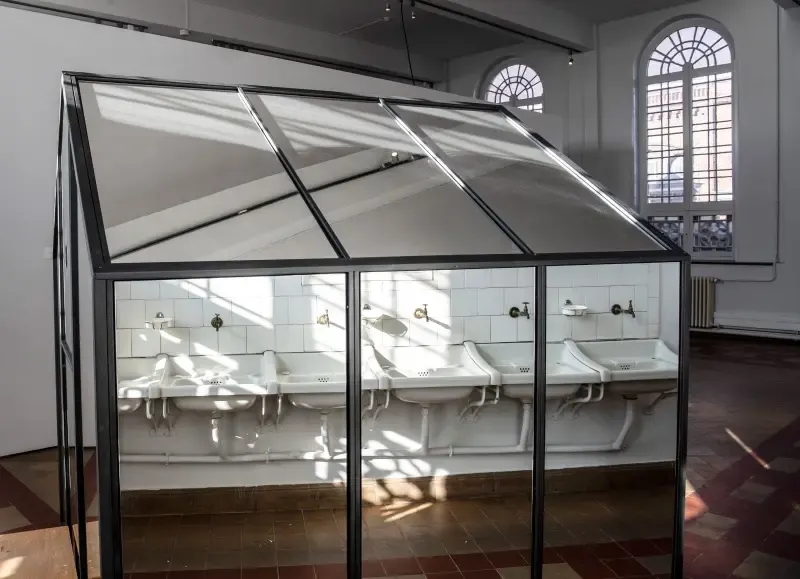
Mental well-being is a top priority these days. That wasn't the case for a long time; people with mental health issues were very often dependent on the kindness of others.
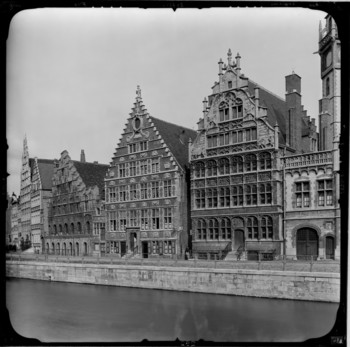
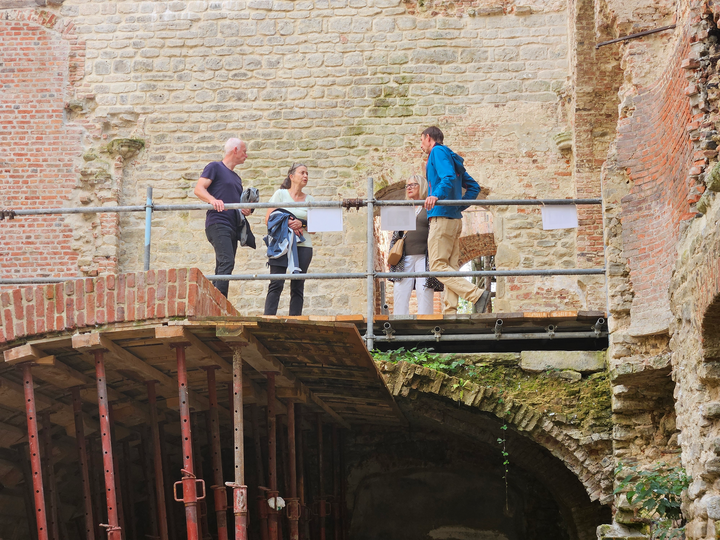
There are horror stories circulating about the treatment of so-called “insane” people. One of the most notorious places was the Geeraard de Duivelsteen in Ghent, a 13th-century castle that became a “madhouse” for the insane in the 16th century. It also housed an orphanage for boys. Another section was used as a prison, and the difference in treatment between the people confined there was often negligible.
The situation for the mentally ill in Ghent improved slowly but surely when Petrus Jozef Triest (1760–1836) took the helm of both the Geeraard de Duivelsteen and Hospice No. 8. He recruited the young doctor Joseph Guislain (1797–1860), a progressive physician who emerged as one of the pioneers of psychiatric care in Flanders.
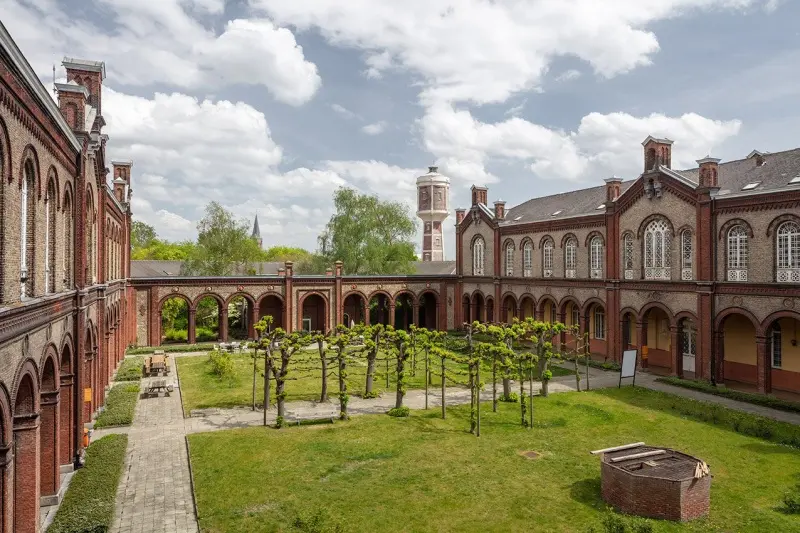
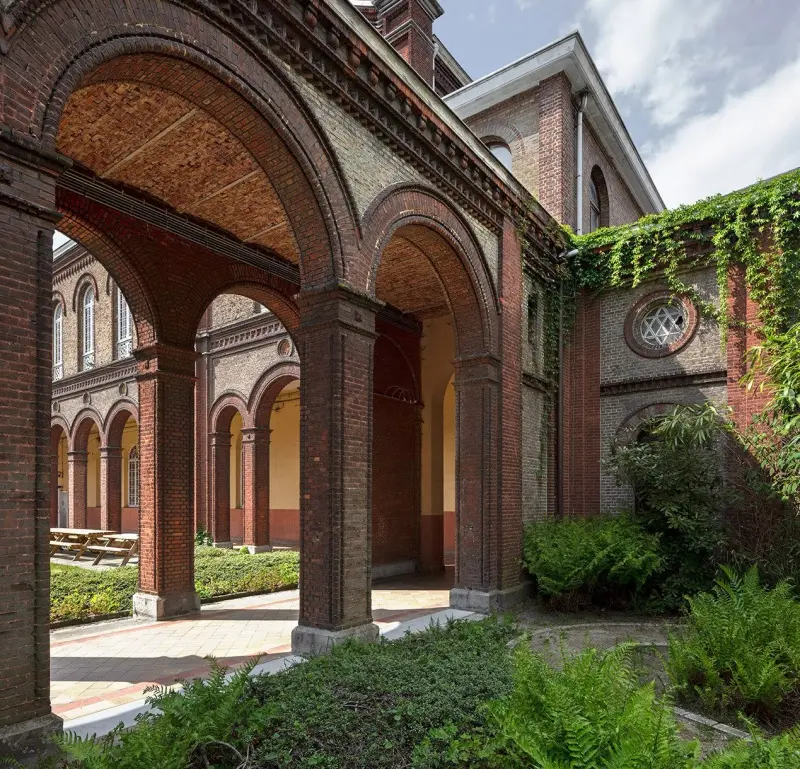
Guislain was the first doctor to draw up guidelines on how to treat the sick in a humane manner. A new building was constructed to facilitate better care.
The permanent collection at the Dr. Guislain Museum beautifully illustrates the evolution of how people with psychosis and other mental illnesses were treated. Some of the restraints used in the last century seem barbaric from today’s perspective. The museum also has a fine collection of art created by people with mental illness.
This story was created by OKV for FAAM - Virtual Museum.
 ErfgoedApp
 ErfgoedApp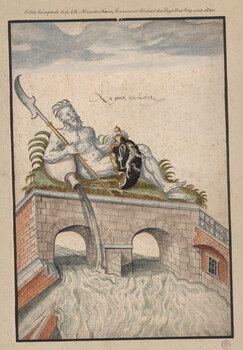
 ErfgoedApp