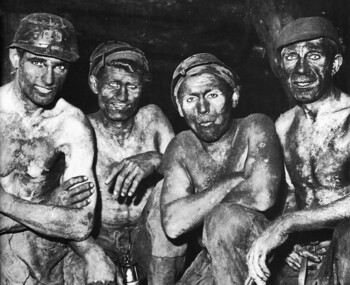
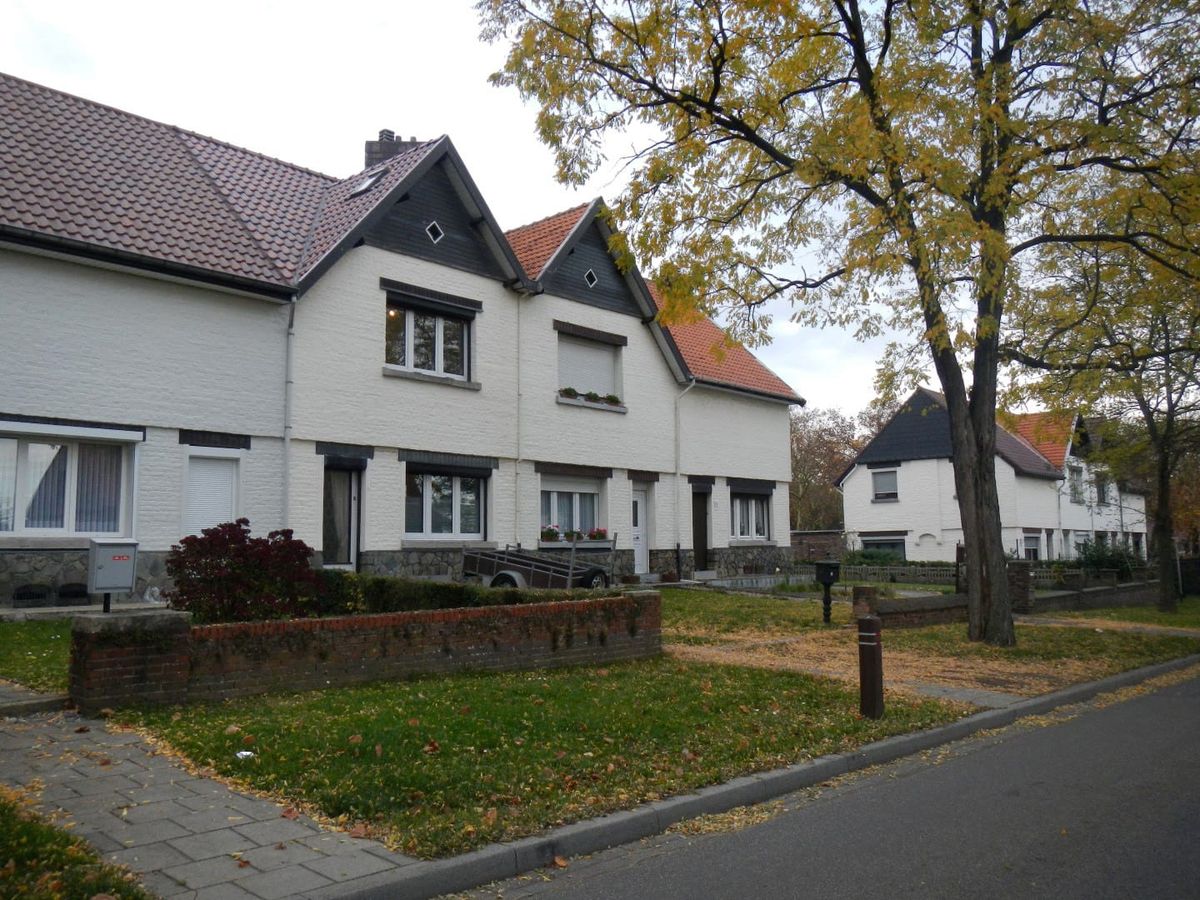
When coal mining began in Central Limburg shortly after 1900, the region was sparsely populated and largely undeveloped. The newly established mining companies therefore had to build entirely new residential neighborhoods to house their future workforce.
Working-class neighborhoods had a dubious reputation during that period. Business leaders and politicians did not want unsanitary ghettos like those found in 19th-century industrial cities.
In Limburg, they would take a different approach: no drab apartment blocks, but quaint houses with trees and vegetable gardens.
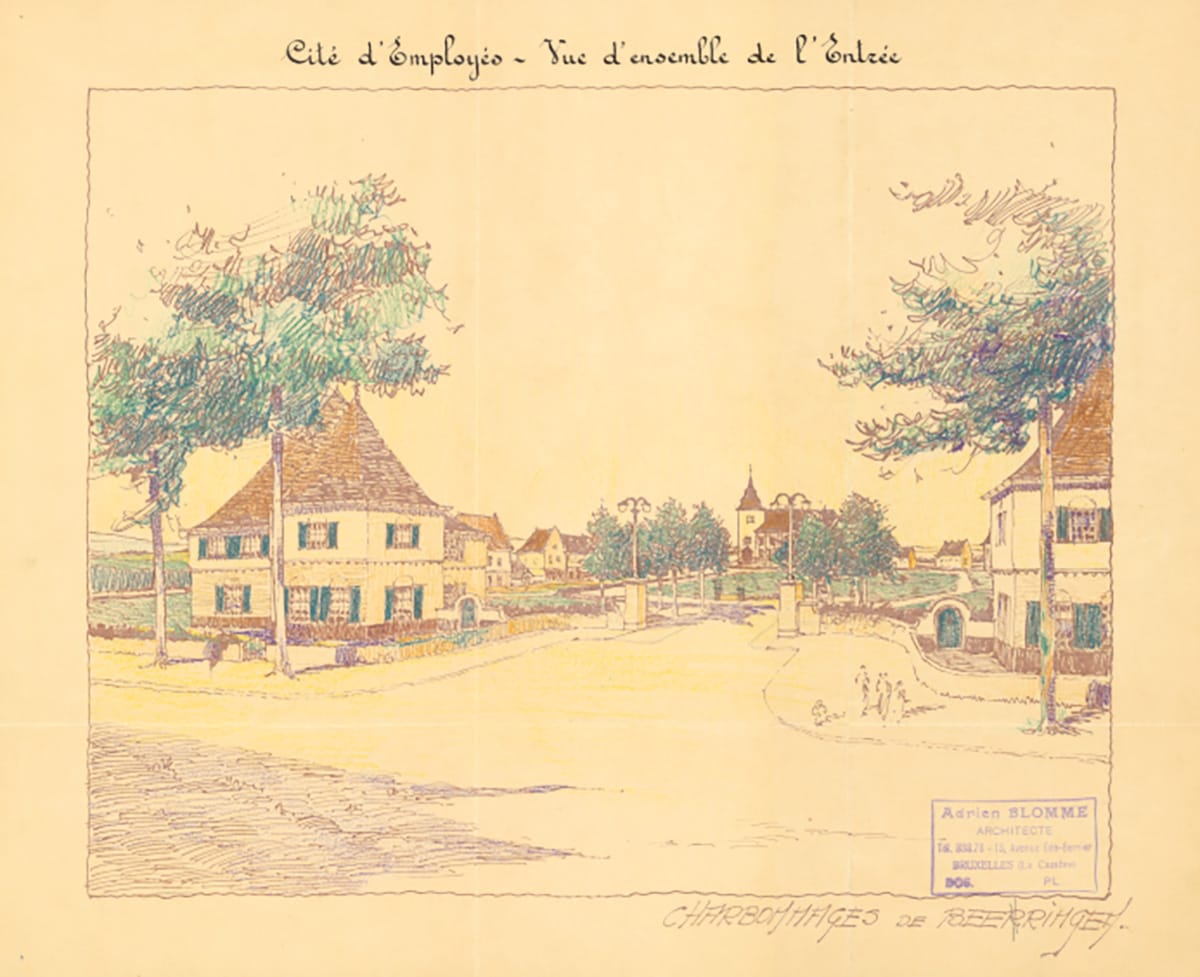
Leading architects were commissioned to design the new residential neighborhoods. One of them was Adrien Blomme, an architect who had become familiar in England with the concept ofgarden cities: urban neighborhoods with a green and village-like character. Thus, during the interwar period, new mining villages orcités sprang up near the Kempen coal mines, featuring abundant greenery and cottage-style homes reminiscent of the English countryside.
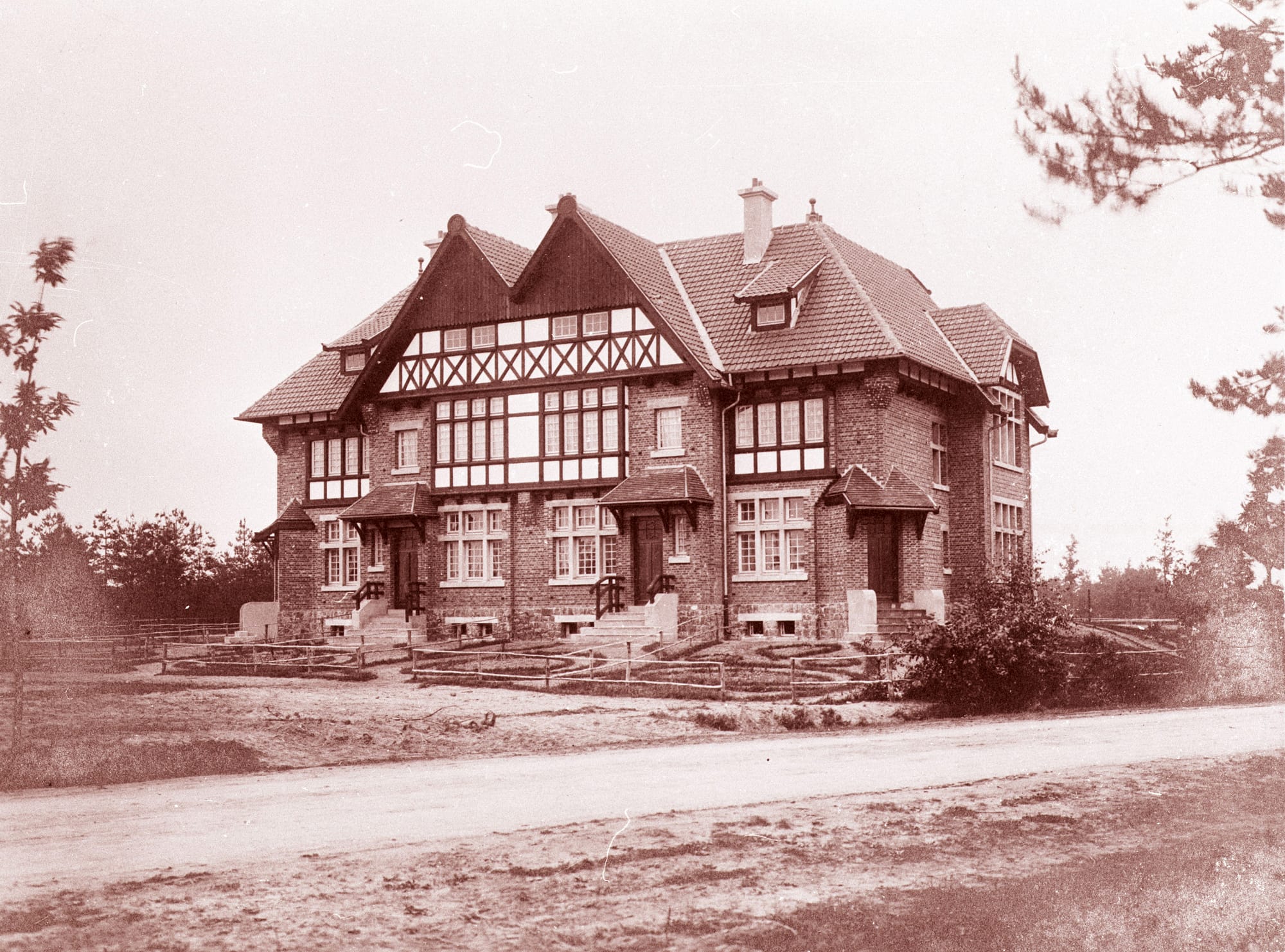
However, not all miners ended up living in those lovely cottages. The nicest houses were usually reserved for the mine’s management, and there were sometimes not enough homes to house the growing number of miners. During and shortly after World War II, many even had to make do with rudimentary barracks.
In addition to housing, the mines also built churches, schools, sports fields, and theaters. They founded associations and sports clubs, such as the soccer teams Thor Waterschei and KFC Winterslag. All these amenities were appealing, but at the same time, they gave the mines a great deal of power over their employees. After all, residents of the mining communities depended on the mine for every aspect of their daily lives.
Critics therefore sometimes referred to the housing projects as “golden cages.”
Coal mining led to the rapid urbanization of Central Limburg. This development was most pronounced in Genk. Over the course of half a century, the village grew into an industrial hub, and the large influx of people even gave rise to an entirely new dialect: the Citétaal.
The mine closures changed life in the housing estates, but the garden city architecture remained largely intact. Today, the garden cities, together with the industrial buildings and slag heaps, stand as striking reminders of the region’s mining past in the Limburg landscape.
This story was created by Geheugen Collectief for FAAM – Virtual Museum.
 ErfgoedApp
 ErfgoedApp
 ErfgoedApp