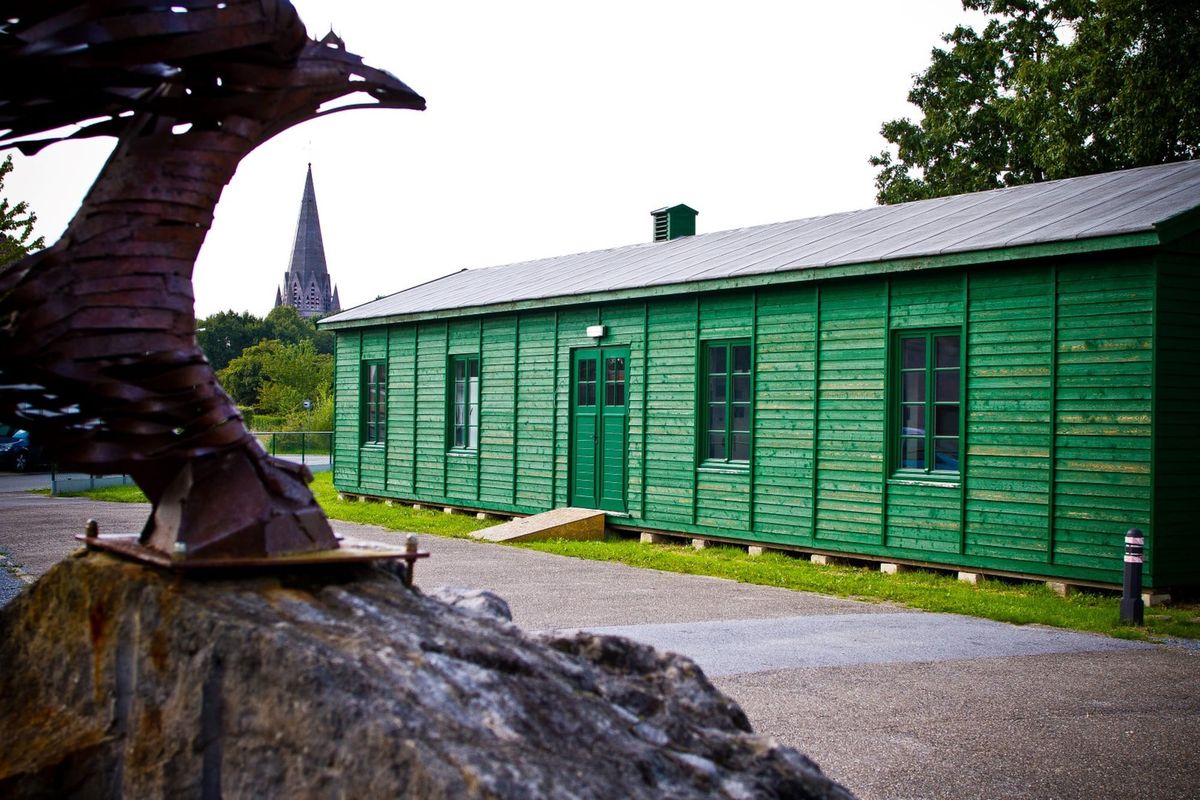
In Beringen, nestled among the typical brick houses of the garden-city neighborhood, you’ll find a green wooden barrack: Barrack 15, a replica of a residential barrack from the former Baltic Camp in Beringen. During World War II, prisoners of war who were forced to work in the mines were held there. Today, Barrack 15 serves as a museum dedicated to migration to the mining region.
The history of the Limburg mines is closely linked to the region’s history of migration.
Shortly after they began operations, the coal mines in Limburg started recruiting foreign workers. Migrants from Italy and Eastern Europe, in particular, found their way to the Limburg mining region.
The mines had to keep operating even during World War II. The German occupiers brought new groups of foreign workers to the Limburg mines. As a result, 1,500 so-calledOstarbeiter, or Eastern Workers, ended up in the mines during the war: laborers from Poland and the Soviet Union who were often forced to mine coal. Starting in 1942, the Germans also put 15,000 Red Army prisoners of war to work in the mines. All of them were housed in rudimentary barracks camps such as the Baltisch Kamp in Beringen.
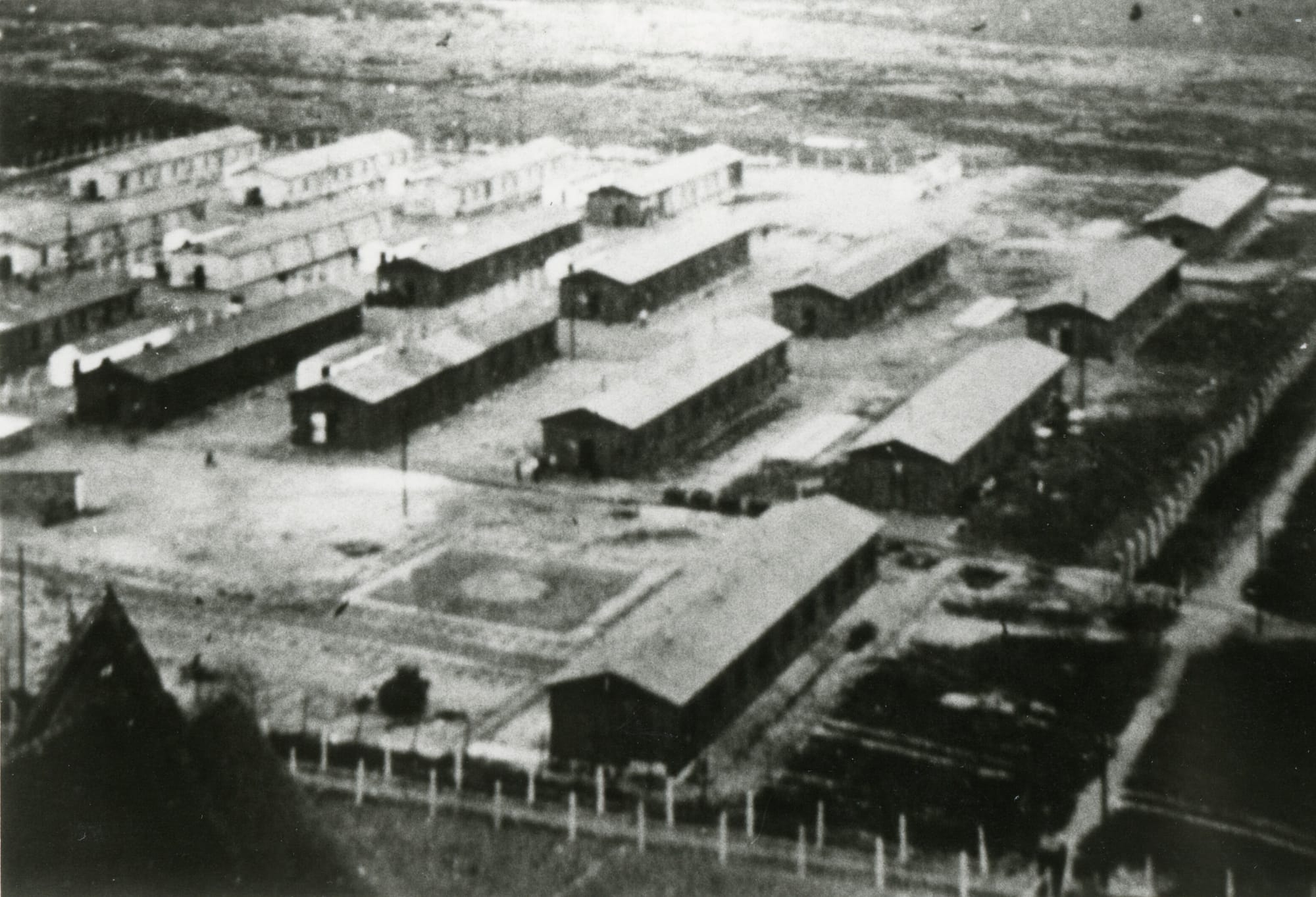
After the liberation, they were replaced by other forced laborers: German prisoners of war and, shortly thereafter, Belgian collaborators as well. By early 1946, as many as 16,443 Germans were working in the Limburg mines. That situation was, of course, unsustainable. The war was over, so the prisoners of war had to be released.
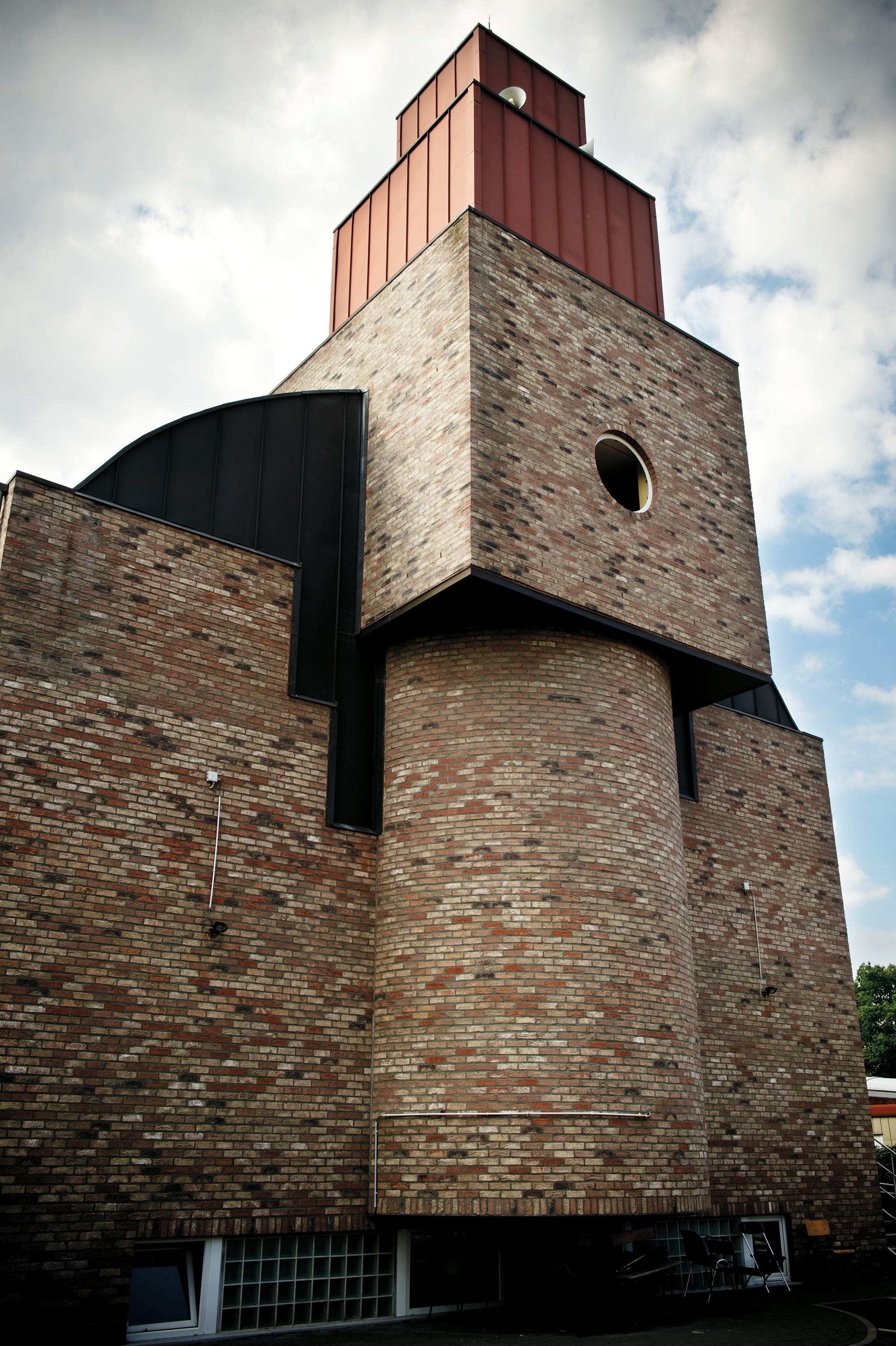
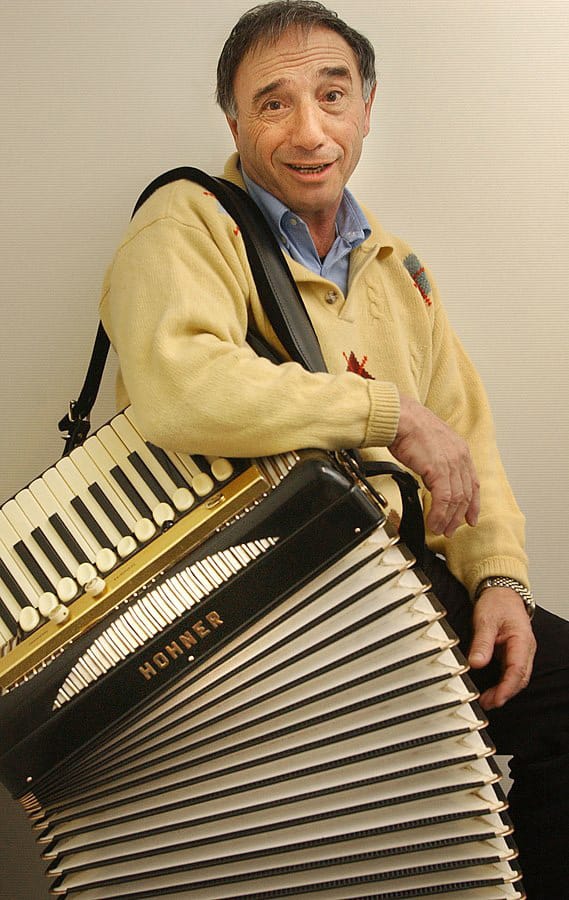
From left to right: Moroccan mosque in Winterslag – PCCE Collection and Rocco Granata, son of a miner and singer – Wikimedia Commons, photo by Michiel Hendryckx
Replacing them was no easy task. After all, most Belgians were unwilling to take on the unhealthy and sometimes dangerous work underground. To address the looming shortage of miners, the mining industry and the Belgian government once again looked abroad. This led to agreements and treaties with a number of countries in the Mediterranean region, where unemployment was high. As a result, several waves of migration brought large groups of Italian, Spanish, Greek, Turkish, and a limited number of Moroccan guest workers to the mines of Limburg.
This story was created by Geheugen Collectief for FAAM – Virtual Museum.
 ErfgoedApp
 ErfgoedApp
 ErfgoedApp