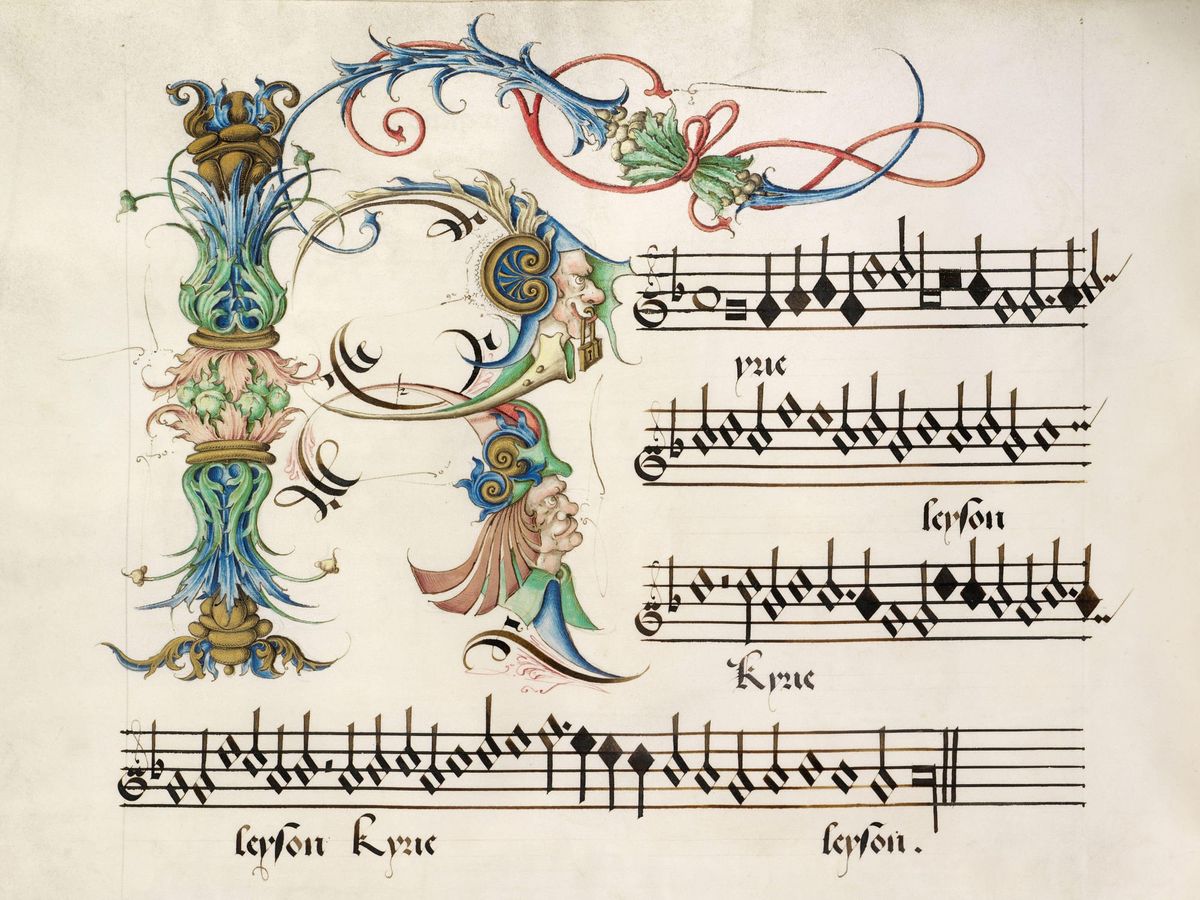
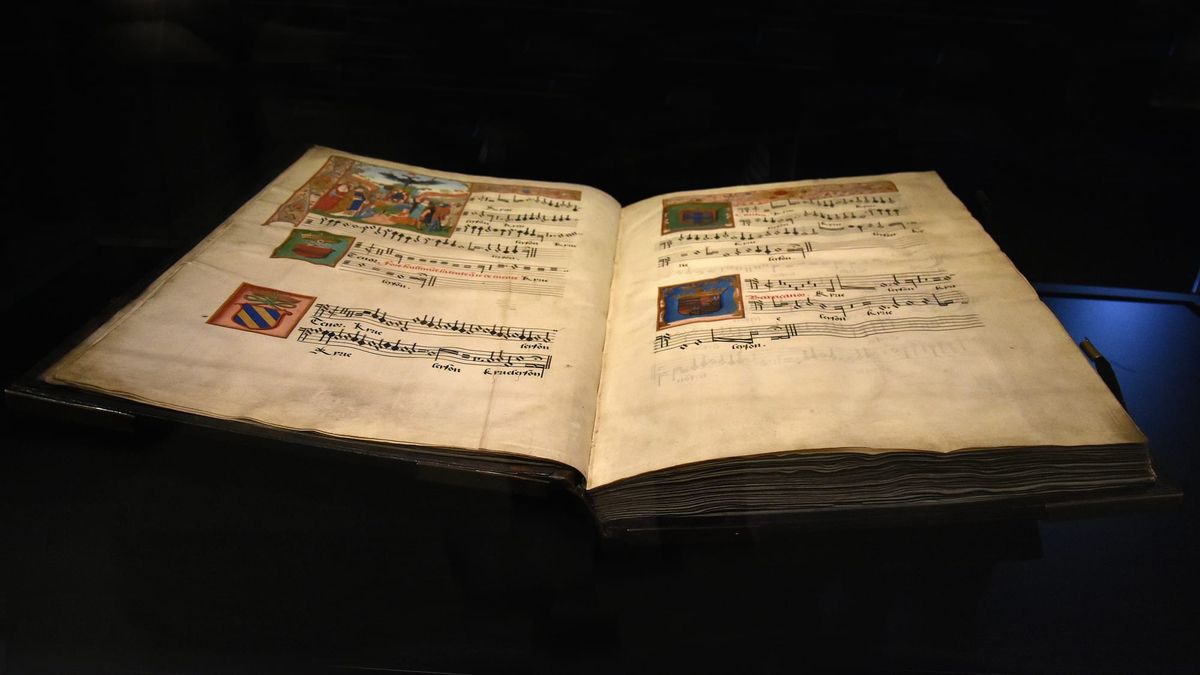
Petrus Alamire (c. 1470–1536) was actually named Petrus Imhoff. A-la-mi-re was his musical pseudonym. In his day, that was the name for the musical note A (or la). Petrus was of German descent, but made his name primarily in the Habsburg Netherlands asan “escripvain de libres de musicke”—a music copyist and publisher. His clients were no less than Margaret of Austria, for example, the governor of the Netherlands.
In the 15th and 16th centuries, the Low Countries were the cultural hub of Europe. Under the Burgundians and Habsburgs, the region enjoyed a period of political and economic stability. Artistic life, including music, flourished in the major cities, thanks in part to the patronage of rulers such as Margaret.
Some musicians and composers gained international fame and performed at courts across the continent.
The polyphonic composers, in particular, were highly regarded. Josquin des Prez, Adriaan Willaert, and Pierre de la Rue were true celebrities.
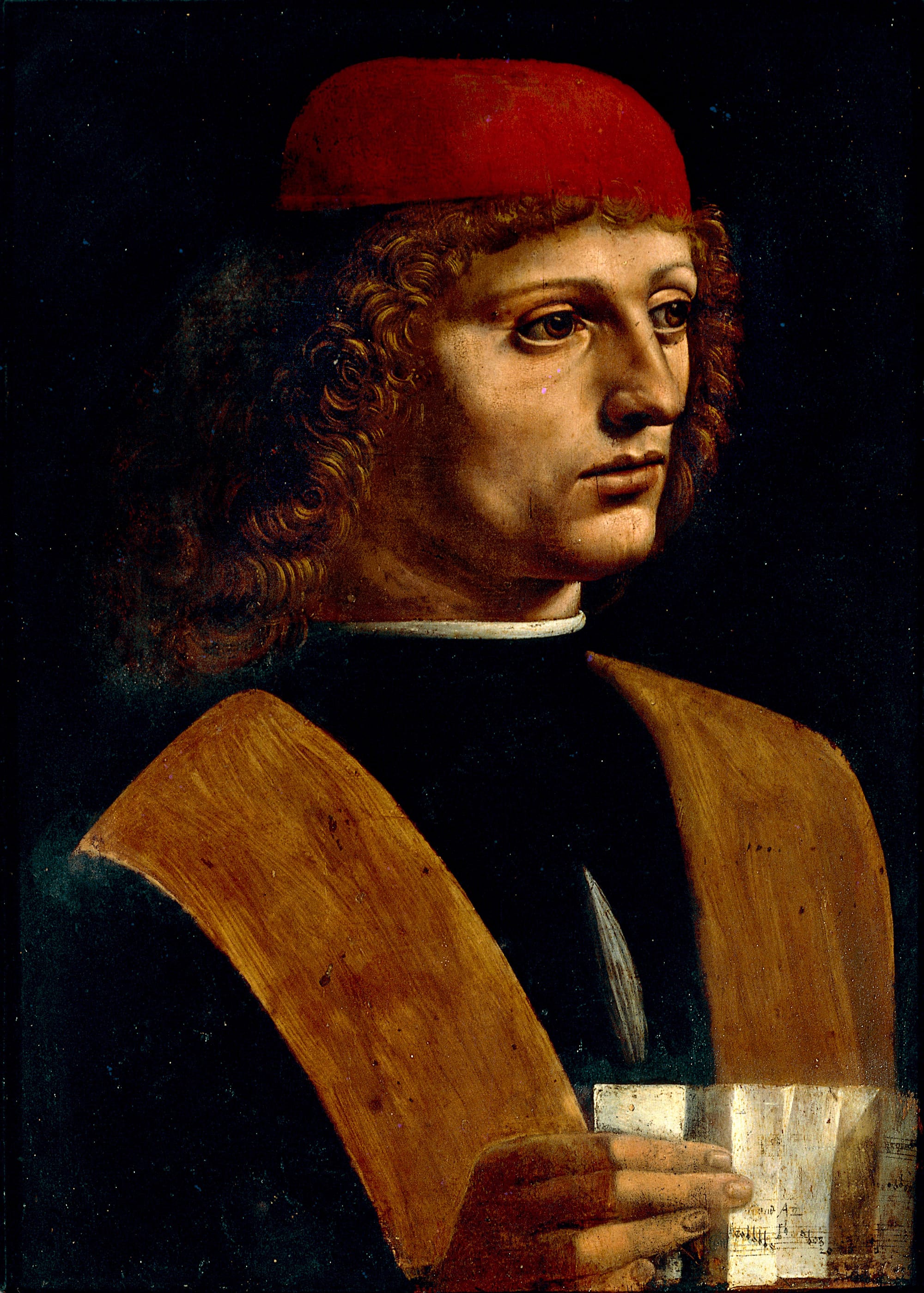
Polyphonic music increasingly replaced the centuries-old Gregorian chants. In monophonic music, such as Gregorian church music, everyone sang the same melody. Polyphony means that the composer combines multiple melodies that are nevertheless harmonized with one another. It originated around 1200 in France.
Instrument makers and music publishers played a major role in the dissemination of music.
Petrus Alamire worked primarily out of Mechelen, which was the de facto capital of the Netherlands in the early 16th century. He copied and sold luxurious music manuscripts adorned with miniatures. Today, they can be found in museums throughout Europe. The civil war in the Netherlands at the end of the 16th century brought an end to this exceptional flourishing of musical life.
This story was created by Geheugen Collectief for FAAM – Virtual Museum.
 FAAM
FAAM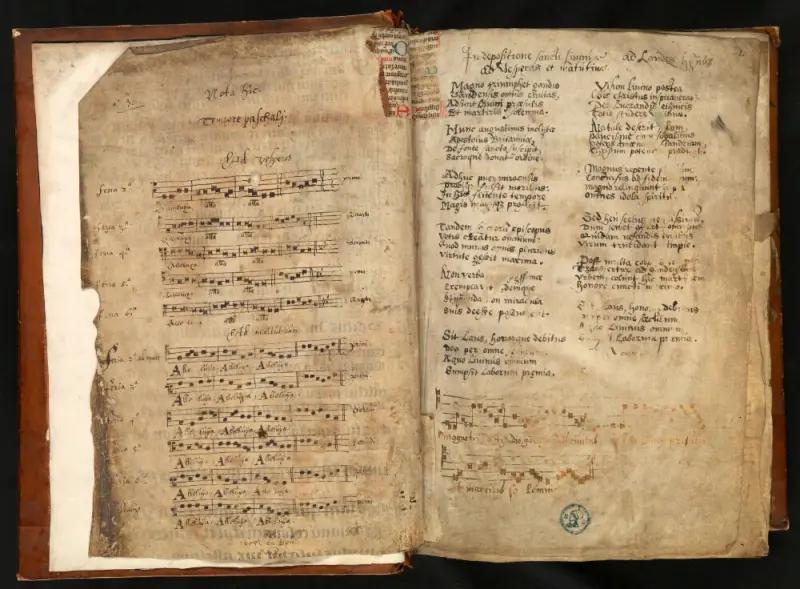
 FAAM
FAAM