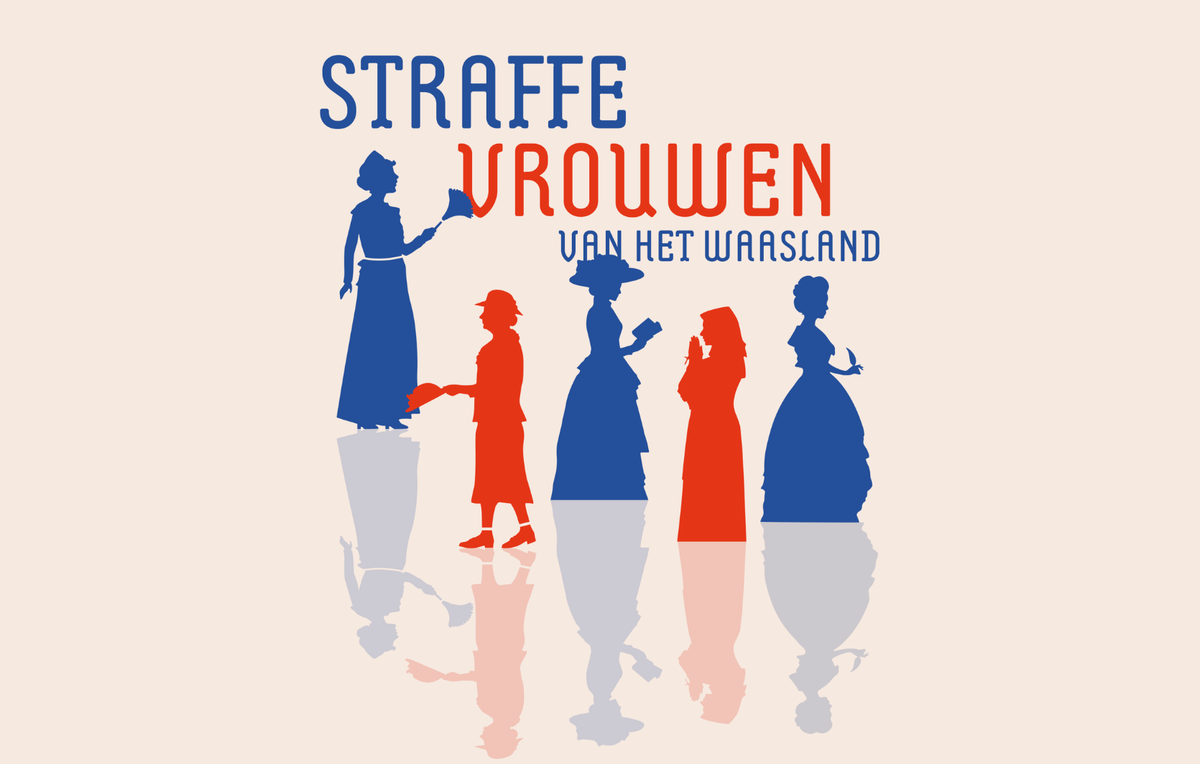
History books are full of accounts of male achievements, but rarely pay attention to women. Yet they too have left their mark on history. This observation gave rise to the project Straffe Vrouwenwas born: an experiential journey through five heritage sites in the Waasland region, each of which focuses on a remarkable woman. Cycling and walking routes allow you to discover their stories and literally follow in their footsteps.
Whether they were businesswomen, noblewomen, or maidservants, many women from times long past have fascinating stories to tell. Yet their contributions remain too often overlooked. In Waasland, five heritage sites are changing that. Each location was home to a remarkable woman who lived and worked there, and it is precisely there that her story comes back to life.
Silhouettes let women speak
Each location features an interactive silhouette made of Corten steel. You can look through it, walk through it, and stand on it. This allows you to (literally) step into the shoes of these women. Via the ErfgoedApp , you can also learn more about their lives, their choices, and how they held their own in a male-dominated world. You will discover their personal stories and learn more about women's history in general. It is even possible to 'call' the five women from Waasland!
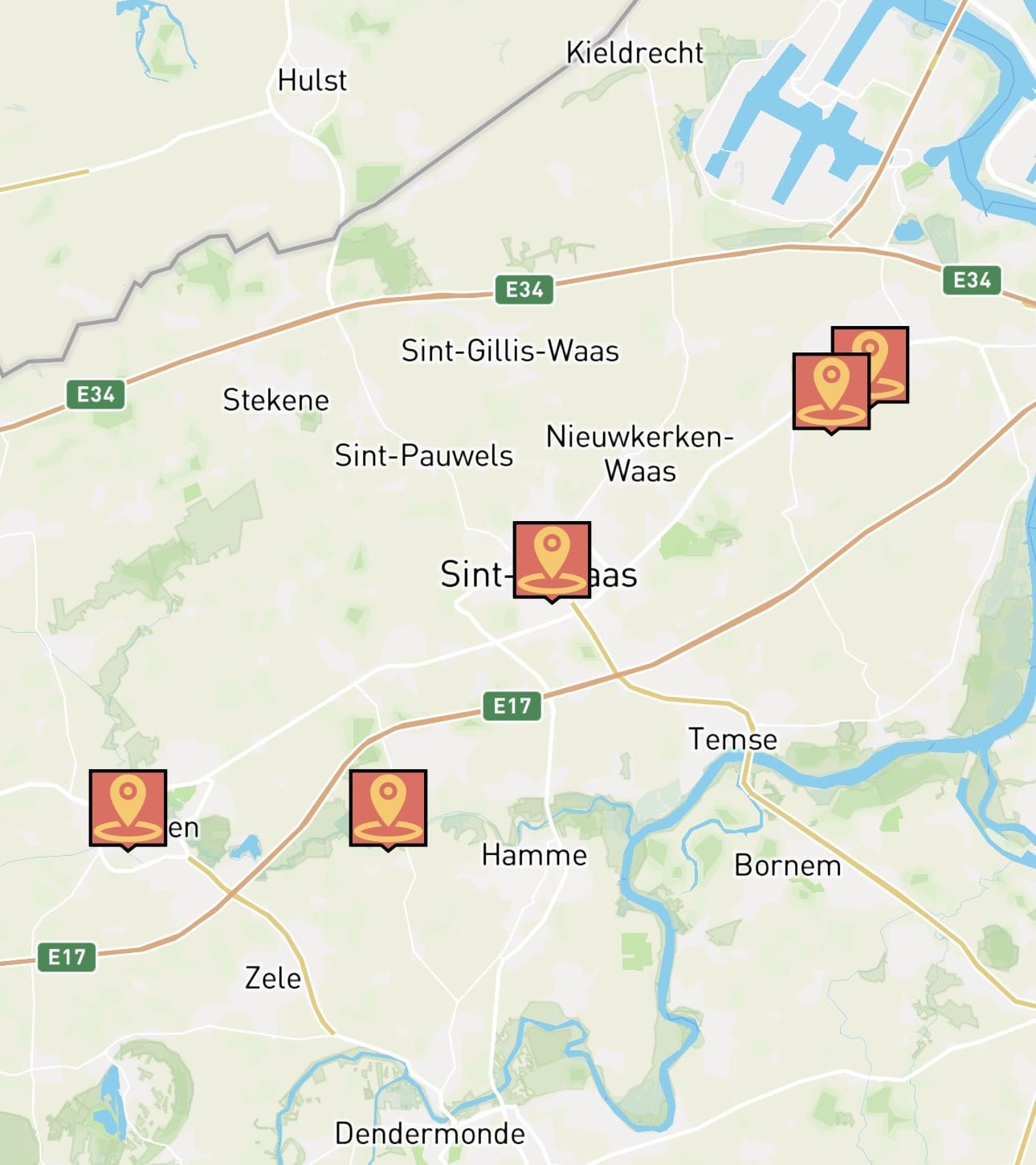
You can visit the heritage sites individually or choose a walking or cycling route that takes you to different locations. And even if you can't make it there in person, you can still discover their stories thanks to the app.
Marie-Thérèse De Decker: the textile queen of Sint-Niklaas
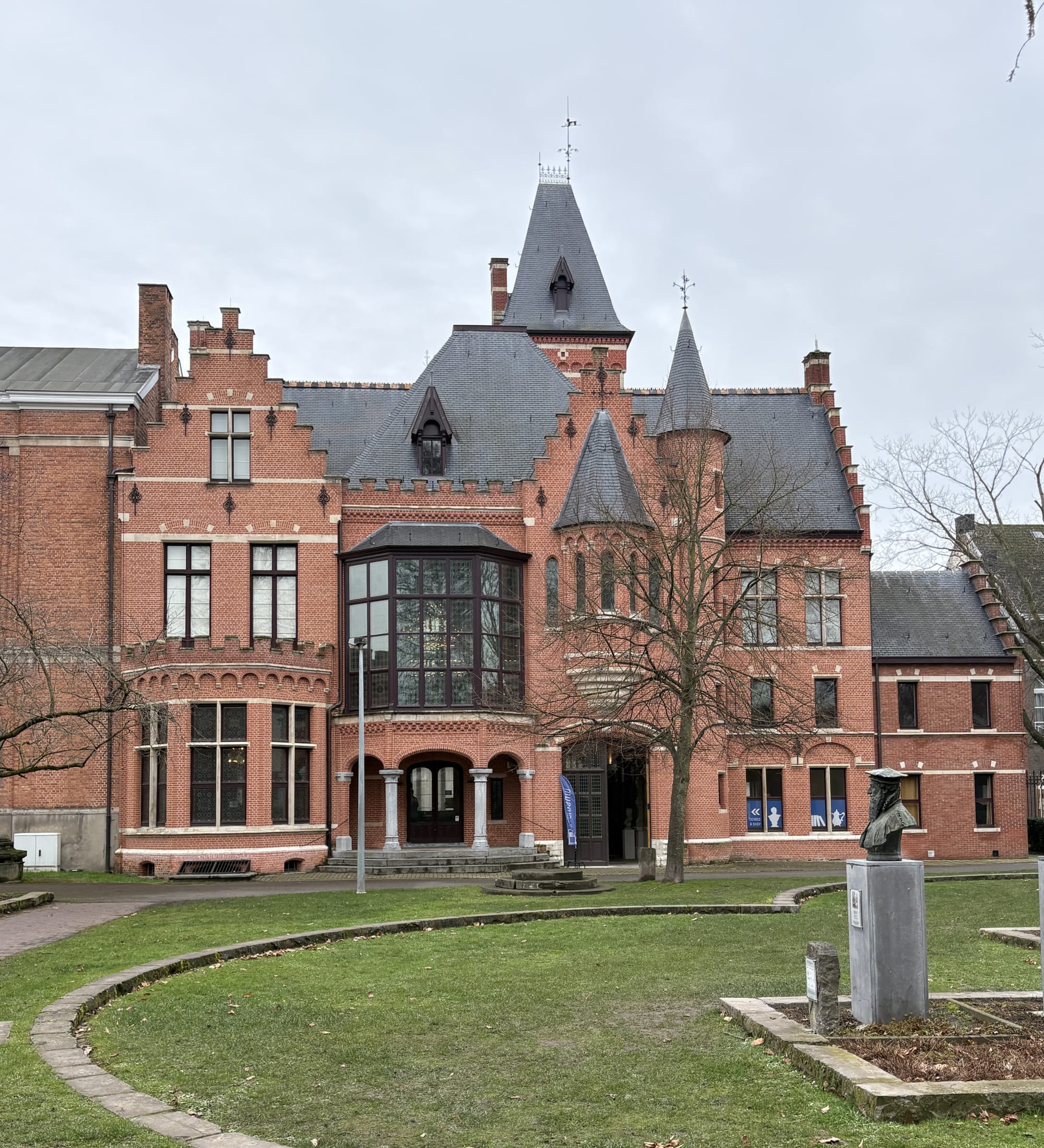
One of the heritage sites is the Janssens House, now part of Musea Aan het Park (MAP). The remarkable woman you meet at this small castle is Marie-Thérèse De Decker (1805-1871). Together with her husband, she built a textile factory with a steam engine in 1821. After a period of economic crisis, they breathed new life into the Wase textile sector. After her husband's death, Marie-Thérèse continued to run the factory. At the same time, she was the mother of eleven children.
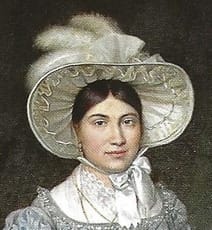
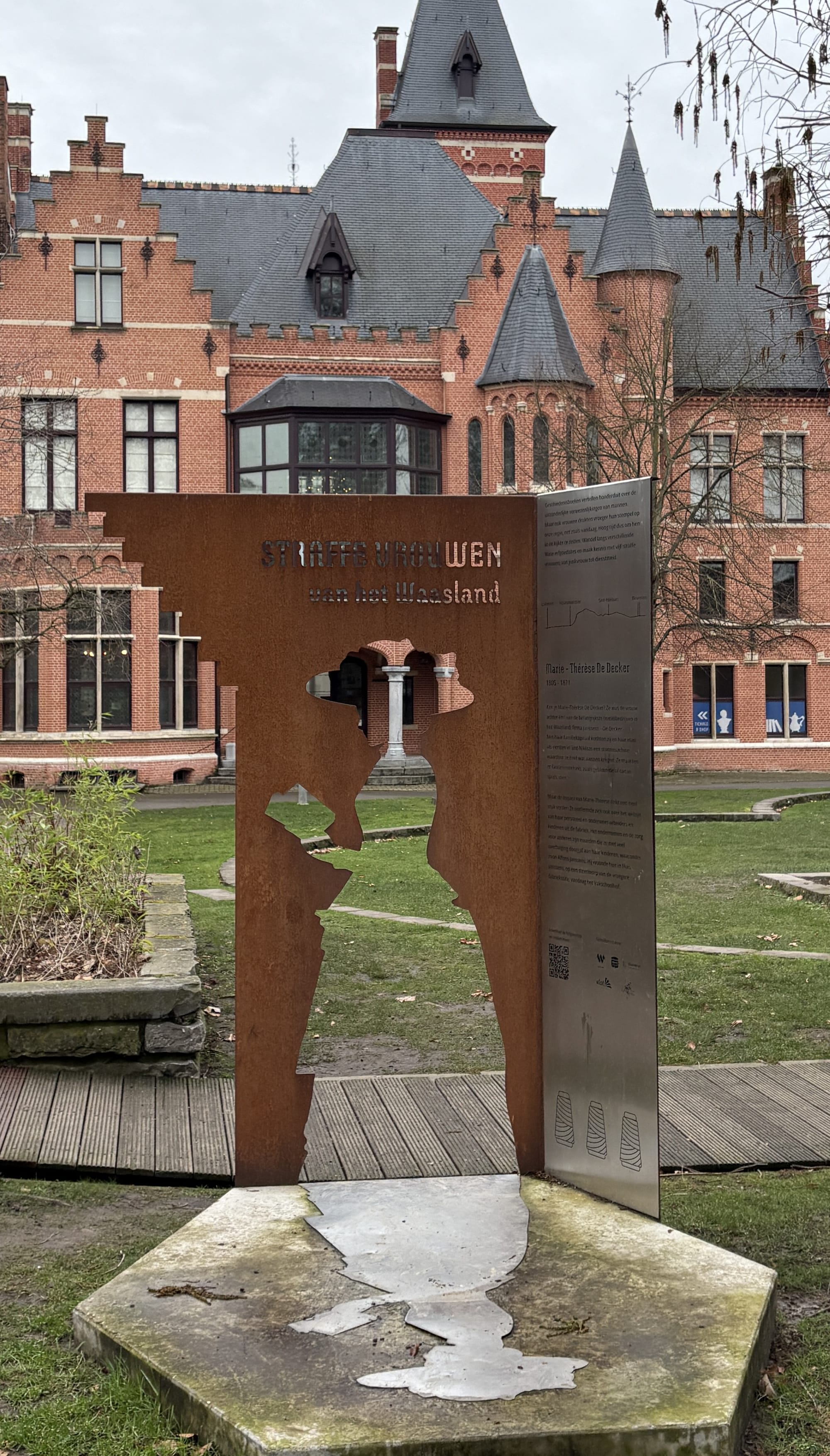
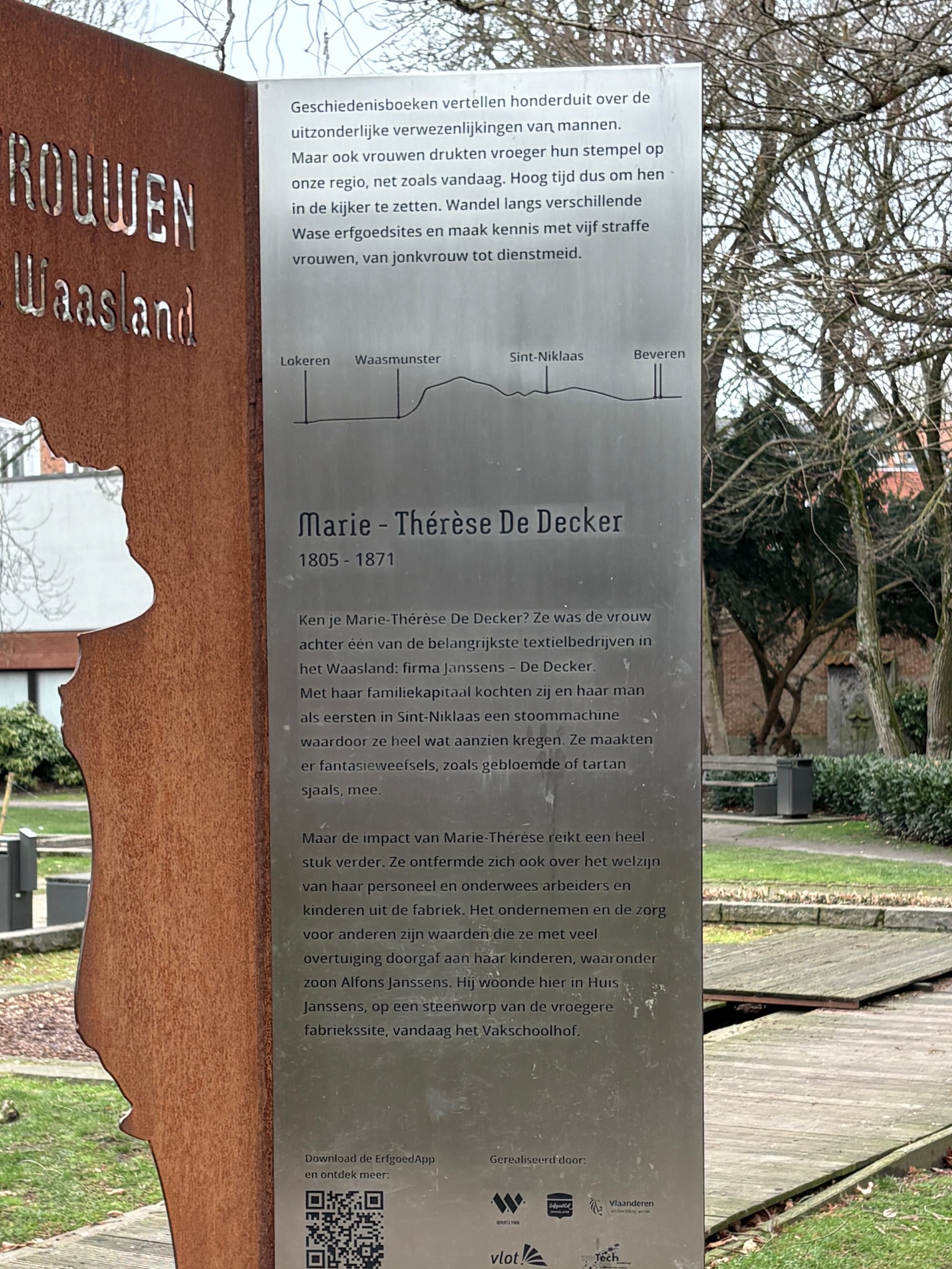
Marie-Thérèse De Decker. © Geneanet / Silhouette of Marie-Thérèse De Decker in Corten steel / Close-up of the silhouette in Corten steel. © Brinthe Thys
One of her sons, Alfons Janssens, also a textile manufacturer and amateur poet, had this building constructed in 1878. He donated it to the city of Sint-Niklaas on condition that it would become a museum. Today, it houses MAP - Curiosum. You will find old musical instruments, modern works of art, and books from the 16th to the 19th century, as well as a set of ostrich eggs and masterpieces from the history of Waasland.
You can discover the story of Marie-Thérèse De Decker during a city walk in Sint-Niklaas. The walk starts at the Grote Markt, with the Town Hall from 1878 as its eye-catcher. In front of the building stands a statue of Saint Nicholas, the patron saint of the city. Along the way, you will pass other fascinating locations, such as St. Nicholas Church, the oldest church in the city. It was founded in 1217 when the parish of St. Nicholas was established. But above all, set out on your own and discover even more special places and surprising stories from the city's past.
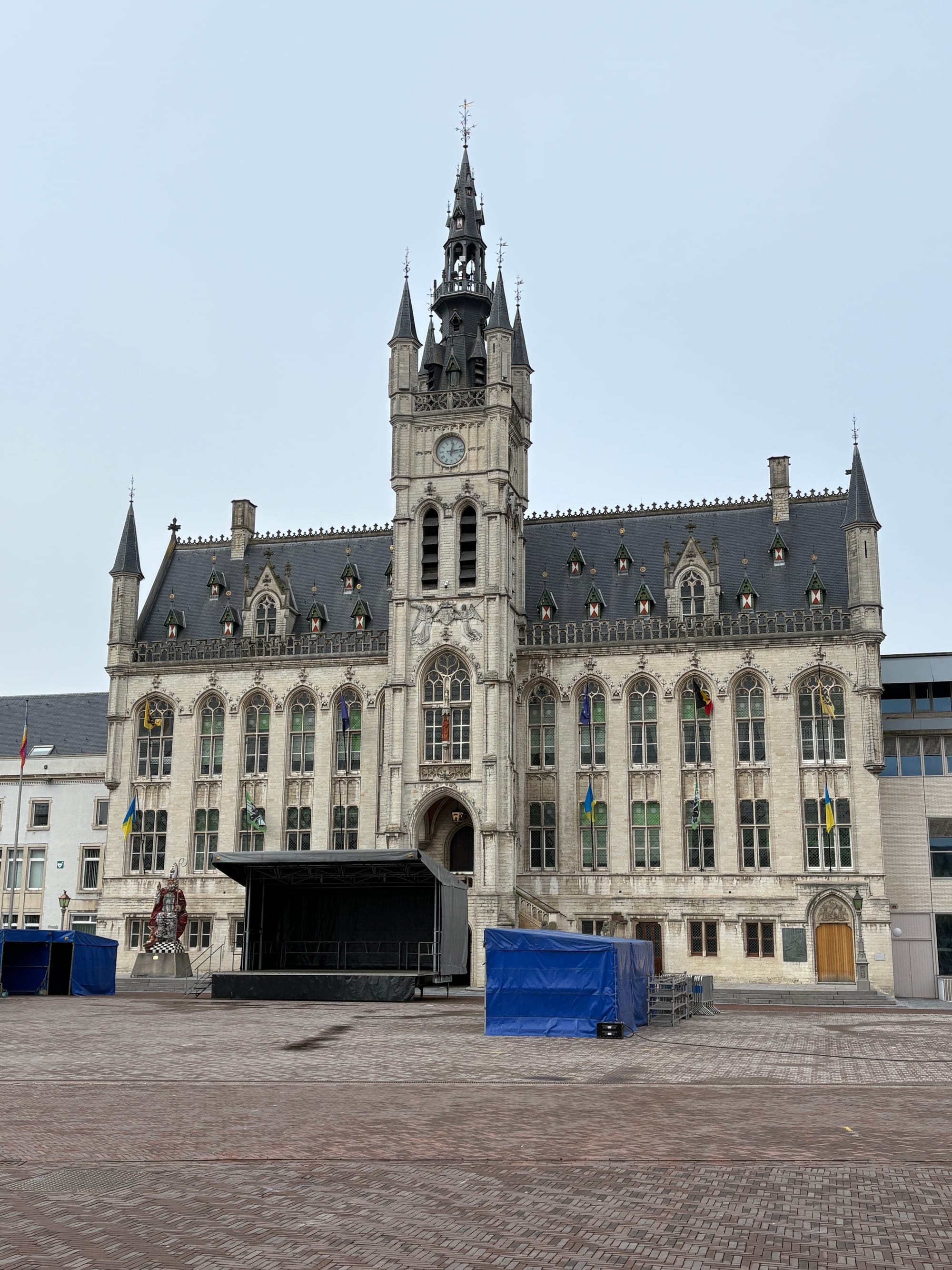
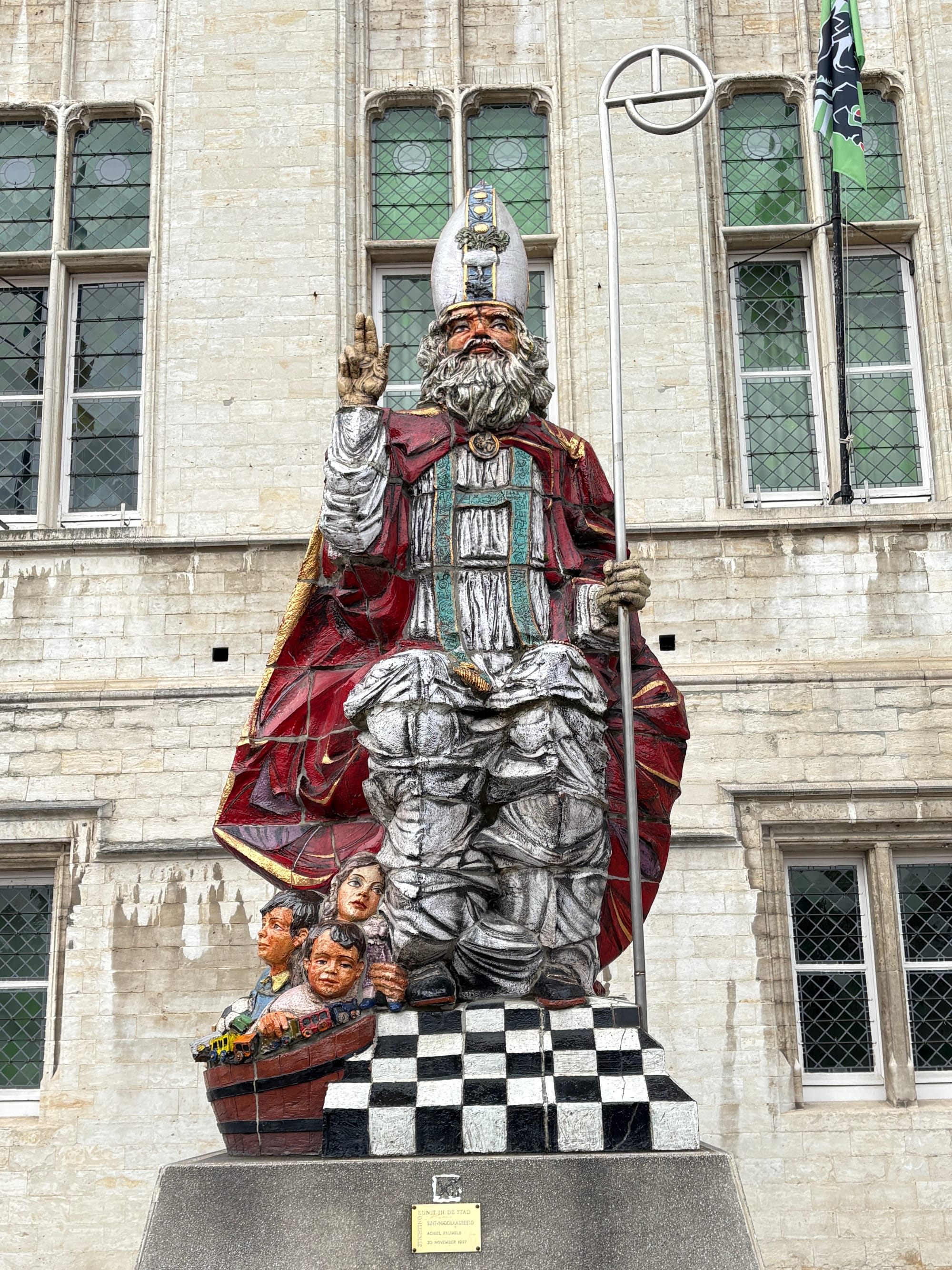
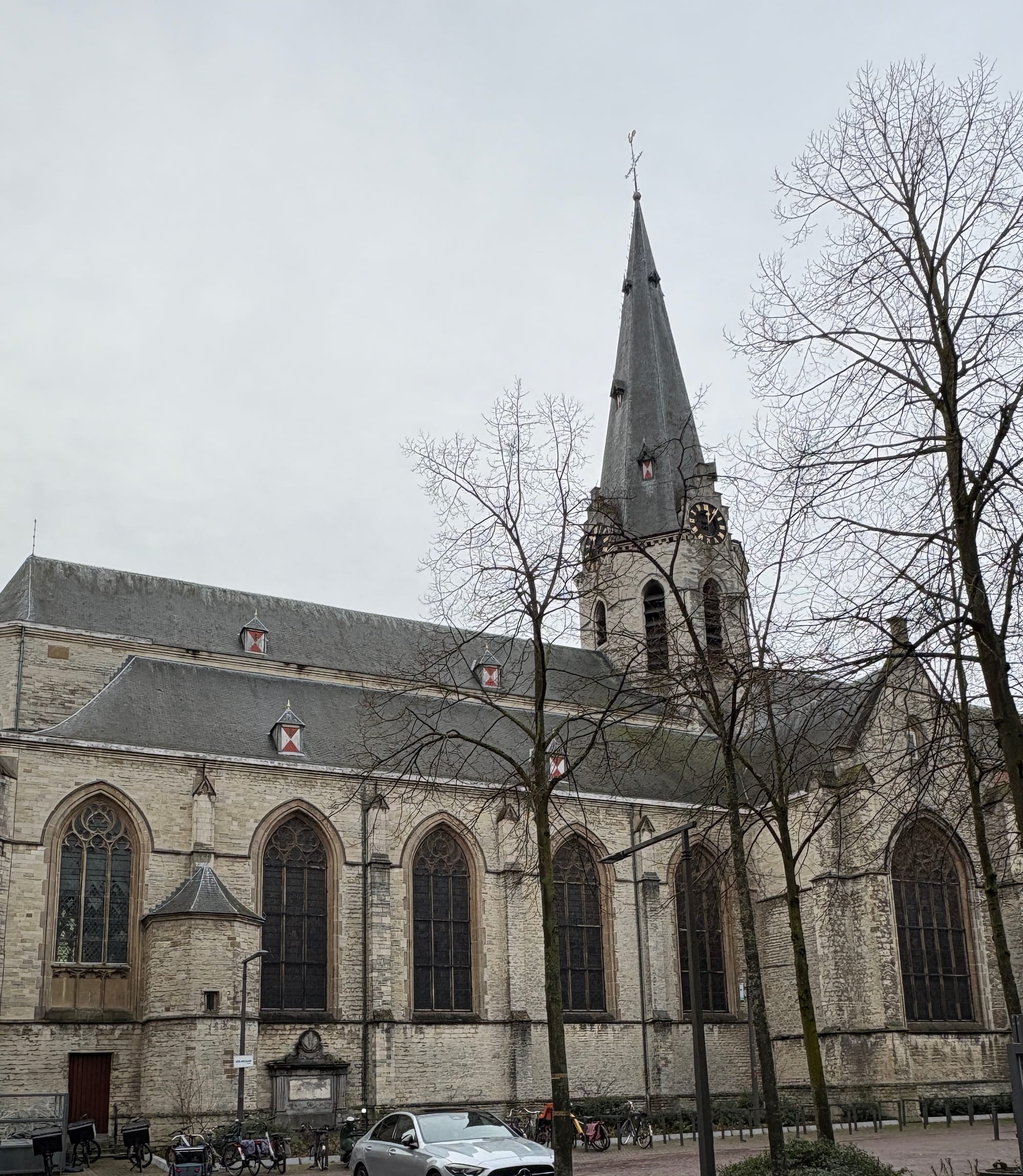
The Town Hall of Sint-Niklaas, the statue of Saint Nicholas in front of the Town Hall, and the Church of Saint Nicholas. © Brinthe Thys
Would you like to learn more about the Strong Women of Waasland?
You can also meet other amazing women via cycle routes in Beveren and between Waasmunster and Lokeren.
The 'Straffe Vrouwen' project is an initiative of Tourism Waasland and the Waasland Heritage Unit, in collaboration with the Waas Archives Consultation Group, the local authorities of Beveren, Lokeren, Sint-Niklaas, and Waasmunster, and the technical schools VLOT! and weTech.
With thanks to Gitte Derluyn, heritage consultant at Erfgoedcel Waasland.