The fear of hell. For centuries, the image of a fiery hell was used by church authorities to keep the faithful in line.
They were often assisted in this by artists, who tried to outdo one another with terrifying images. Just think of Hieronymus Bosch’s *The Hell*, a dark painting that you can see at the Boijmans van Beuningen Museum in Rotterdam.
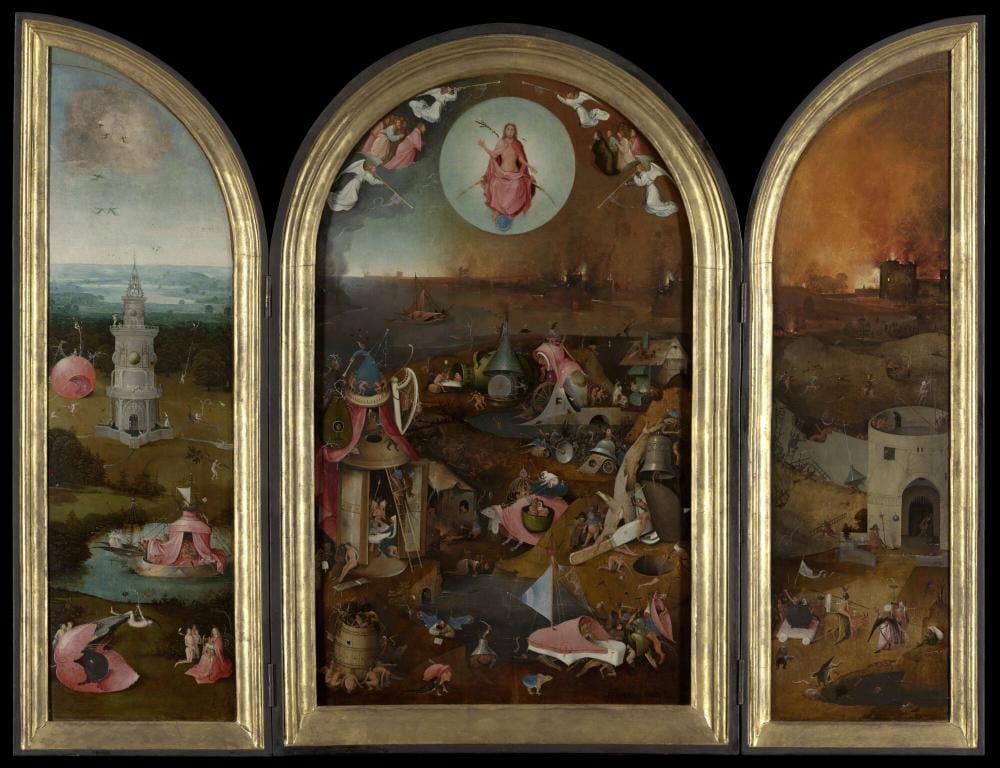
But Bosch also depicts hell in other paintings, such as in the triptych *The Last Judgment*, on display at the Groeninge Museum in Bruges. That triptych shows heaven on the left and hell on the right, with *The Last Judgment* taking place in the center, illuminated by a great fire representing the light of God.
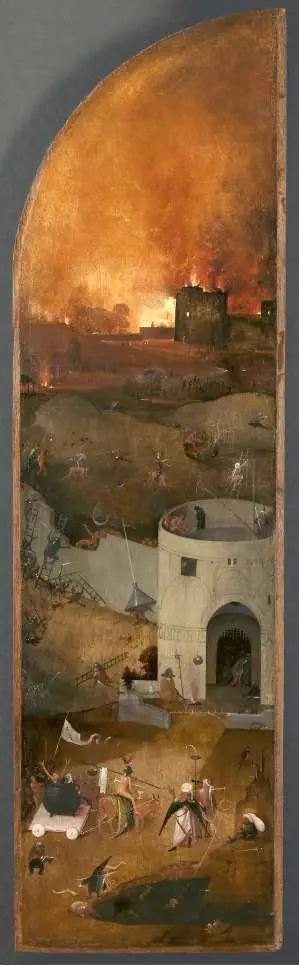
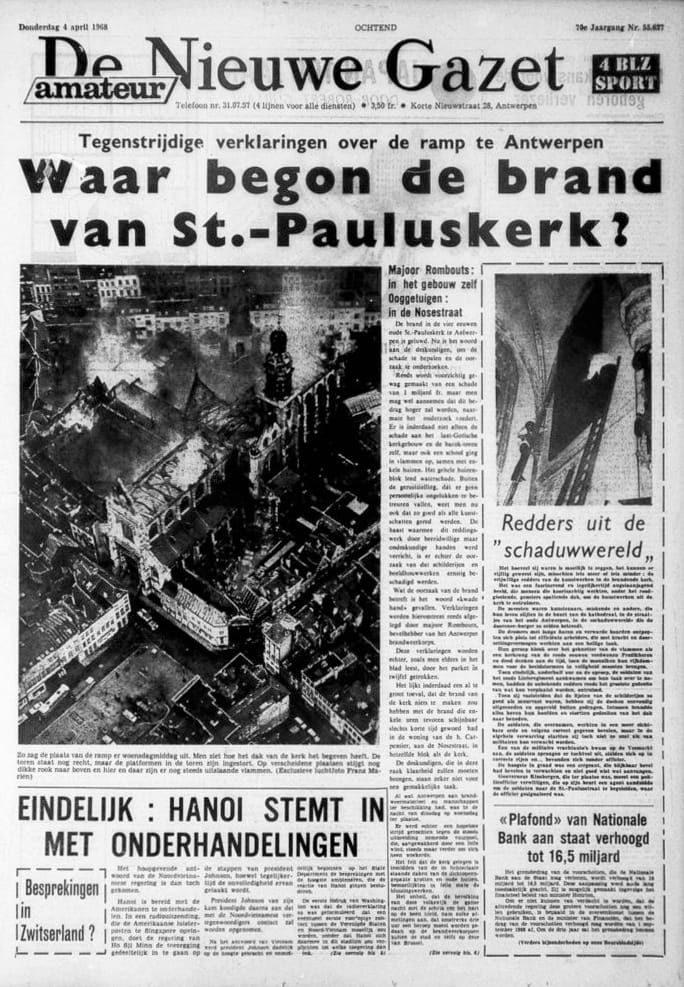
The fire depicted on Bosch’s panel is clearly a blaze—yet another phenomenon that continues to terrify people to this day. Art treasures, too, can be destroyed by a fire caused by a lightning strike. For example, St. Paul’s Church in Antwerp was struck by a devastating fire in 1968.
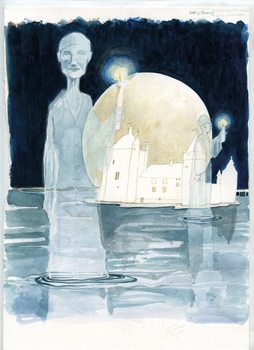
The personification of hell is, of course, the Devil, also known as Lucifer. He symbolizes everything that is evil and godless. The church used the Devil as a scare tactic to keep believers in line. For believers, the Devil is the embodiment of evil. And he can appear in all sorts of guises. Danger and evil are always lurking just around the corner. Thus, people often saw malevolent spirits in all kinds of natural phenomena, such as water spirits.
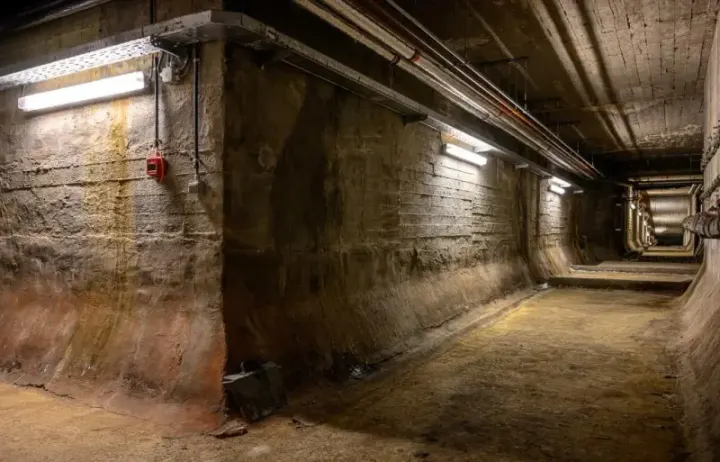
Hell and all the evil associated with it were long used as the ultimate scare tactic. Well into the last century, preachers warned from the pulpit against “godless communism.” During the Cold War, the fear of the atomic bomb was comparable to the fear of hell. Bunkers were built to protect against the hellish scenario of a nuclear catastrophe.
This story was created by OKV for FAAM - Virtual Museum.
 ErfgoedApp
 ErfgoedApp
 FAAM
FAAM
 ErfgoedApp