Anyone who leaves their native region and settles elsewhere always brings their cultural and religious customs with them.
As early as the interwar period, people from North Africa and Turkey came to Belgium to work in the mines, but their numbers increased dramatically, particularly starting in the 1960s. With their arrival came a growing need for Islamic places of worship.
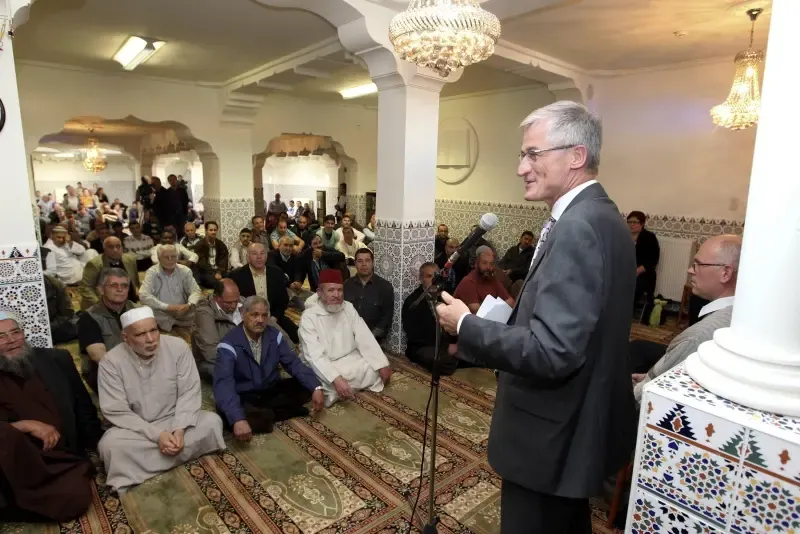
One of the oldest mosques still in use in Flanders is the El Fath Mosque in the Brugse Poort neighborhood of Ghent.
The mosque was founded in the early 1970s by Moroccan Muslims, mainly Berbers, from the Rif region. The Turkish community also established a mosque in Ghent during that period. These were not only places of worship, but also gathering places for new arrivals, venues for cultural experiences, and sources of mutual support.
El Fath (Freedom) was an initiative started by young men who met outside of work hours. It was also important to have a place to gather in the event of a death, to recite thedjanaza prayer, and to organize the repatriation to Morocco. Most families chose this option, although the first Islamic cemetery in Flanders was established in Houthalen-Helchteren in the 1970s.
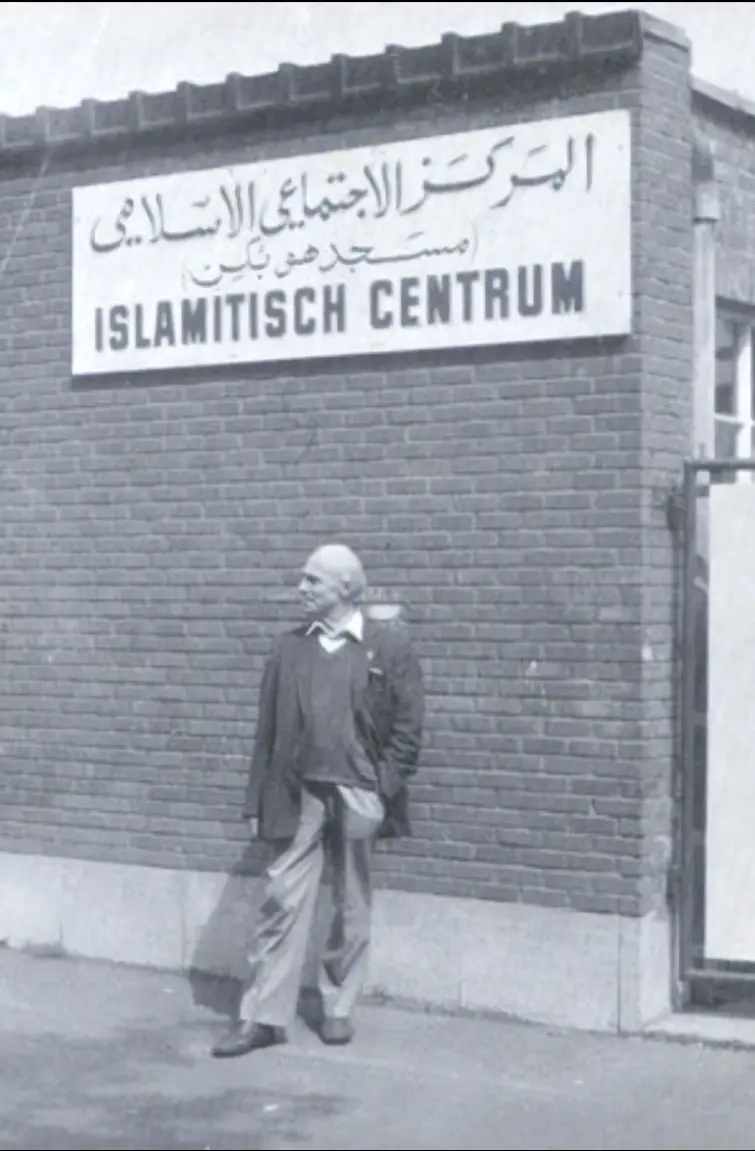
Muslim residents of Belgium began receiving government support in 1974, when the 1870 law on church councils was amended. From that point on, Islamic places of worship were also eligible for subsidies, and imams could be paid by the state.
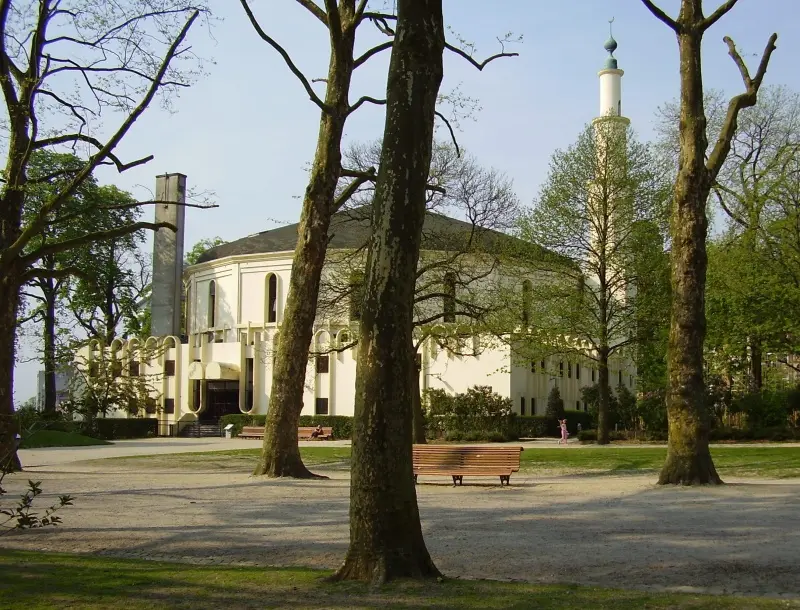
Starting in the 1980s, mosques began to diversify further.
Today, there are those that cater specifically to the Pakistani or Bosnian communities, for example. Other non-Christian residents of Belgium have also built places of worship, such as the Sikh temple in Sint-Truiden or the Jain temple in Wilrijk.
Today, Ghent is also home to one of the largest mosques in Flanders, the Green Mosque (Fatih Camii), located in a former power plant dating from the 1920s. The El Fath Mosque was renovated in 2012 and can now accommodate 500 to 600 worshippers.
This story was created by Geheugen Collectief for FAAM – Virtual Museum.
 ErfgoedApp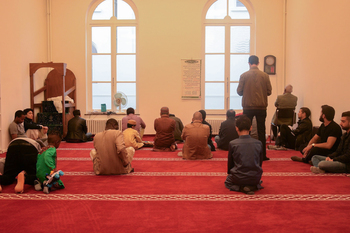
 ErfgoedApp
 ErfgoedApp
 Kasper Vanderzeypen