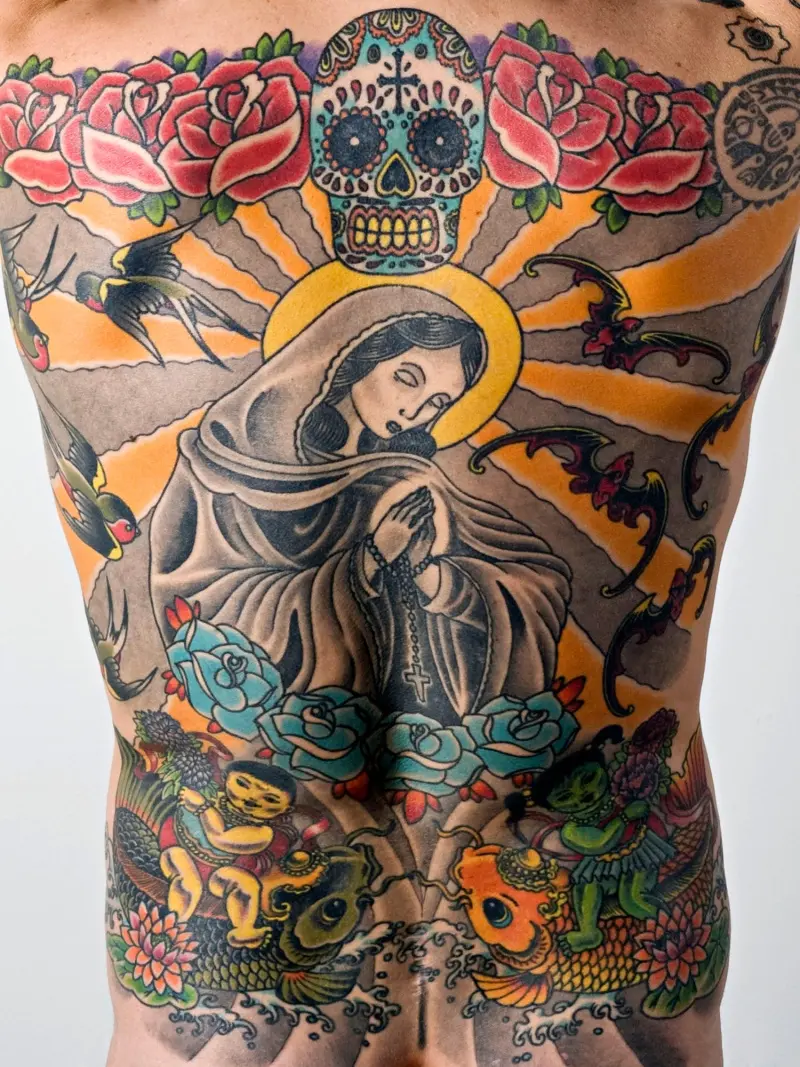
Austrian Tim Steiner is a walking work of art. Between 2006 and 2008, West Flemish artist Wim Delvoye completely covered his back in tattoos. A German collector “purchased” the work—which means Tim is regularly seen with his back exposed in galleries and museums around the world. The “owner” is even said to have the right to frame the tattooed skin after the bearer’s death …
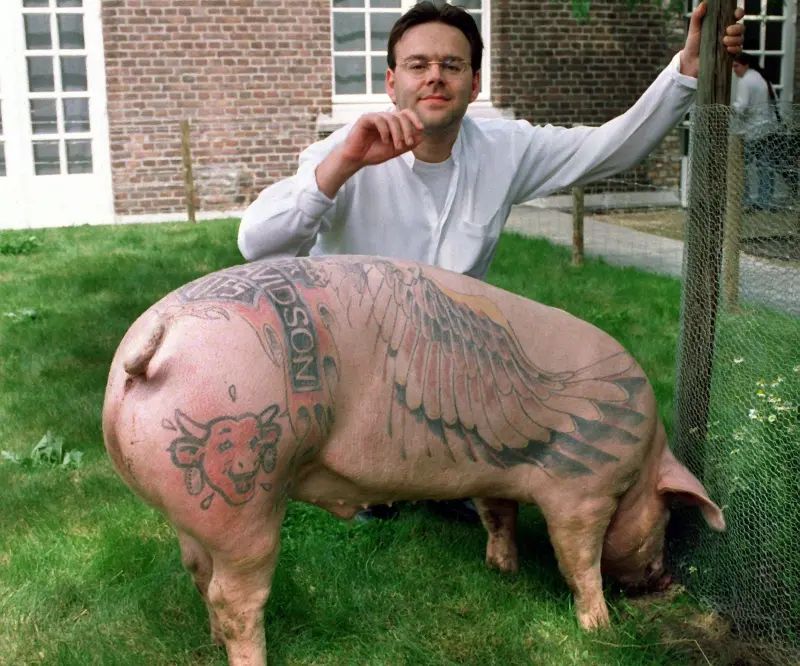
But Delvoye didn’t stop there. Even more controversial are his tattooed pigs. In the 1990s, he was still practicing on pigskin. In 1997, Delvoye took it a step further and used live pigs as his canvas.
By tattooing skulls, eagles, religious imagery, and even Disney characters on the backs of pigs, the animals took on a human quality.
According to Delvoye, this is his way of criticizing the reduction of living beings to objects of consumption. The artist, however, has in turn faced significant criticism for animal cruelty.
Almost every culture adorns or modifies the human body. Often, this body decoration serves a symbolic function: it reflects prevailing aesthetic views, is used in (religious) rituals or as a status symbol, or is intended to exclude people and literally mark them. But humans did not mark only themselves. The bodies of animals were also branded in all sorts of ways with an identifying mark.
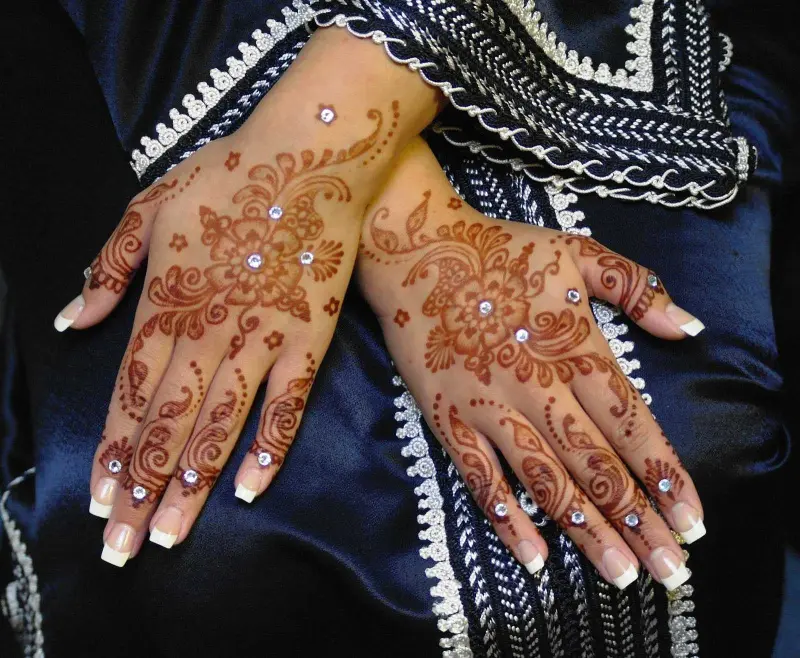
Many Western artists drew inspiration from traditional forms of body art, such as tattoos. Japanese woodblock prints of warriors with dragons and tigers on their bodies contributed to the Japan craze in Western Europe in the 19th century. Architect and designer Henry Van de Velde and other Art Nouveau pioneers used patterns they saw in Congolese traditions of scarification (decorative scarring). Few took up the tattoo needle themselves, as Delvoye did. But since the 1960s, artists have increasingly begun to use their own bodies as a medium. Contemporary tattoos and other forms of body adornment, such as temporary henna tattoos, are also regarded by some as an art form in their own right.
This story was created by Geheugen Collectief for FAAM – Virtual Museum.