Games of chance have existed throughout history and across the globe, but modern lotteries were invented here. The oldest known lottery took place in Bruges in 1441.
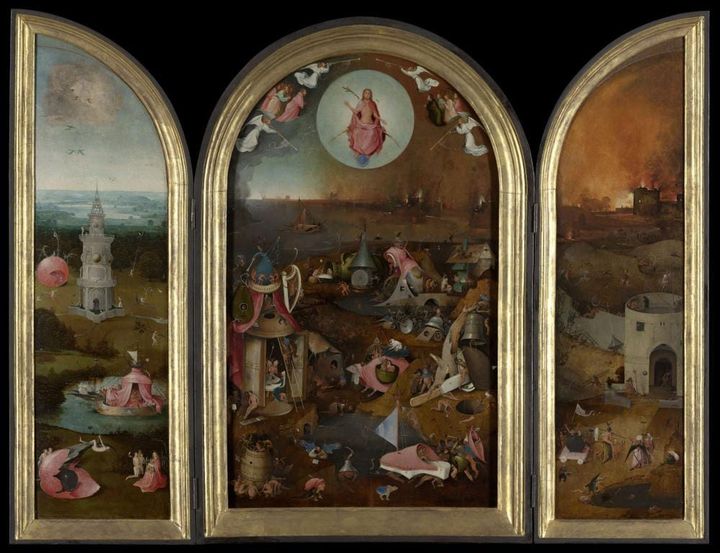
In the 16th century, you could win beautiful paintings and sculptures in lotteries. Governments also organized lotteries to raise funds: for example, in Antwerp, they tried to complete St. James’s Church with the help of a lottery.
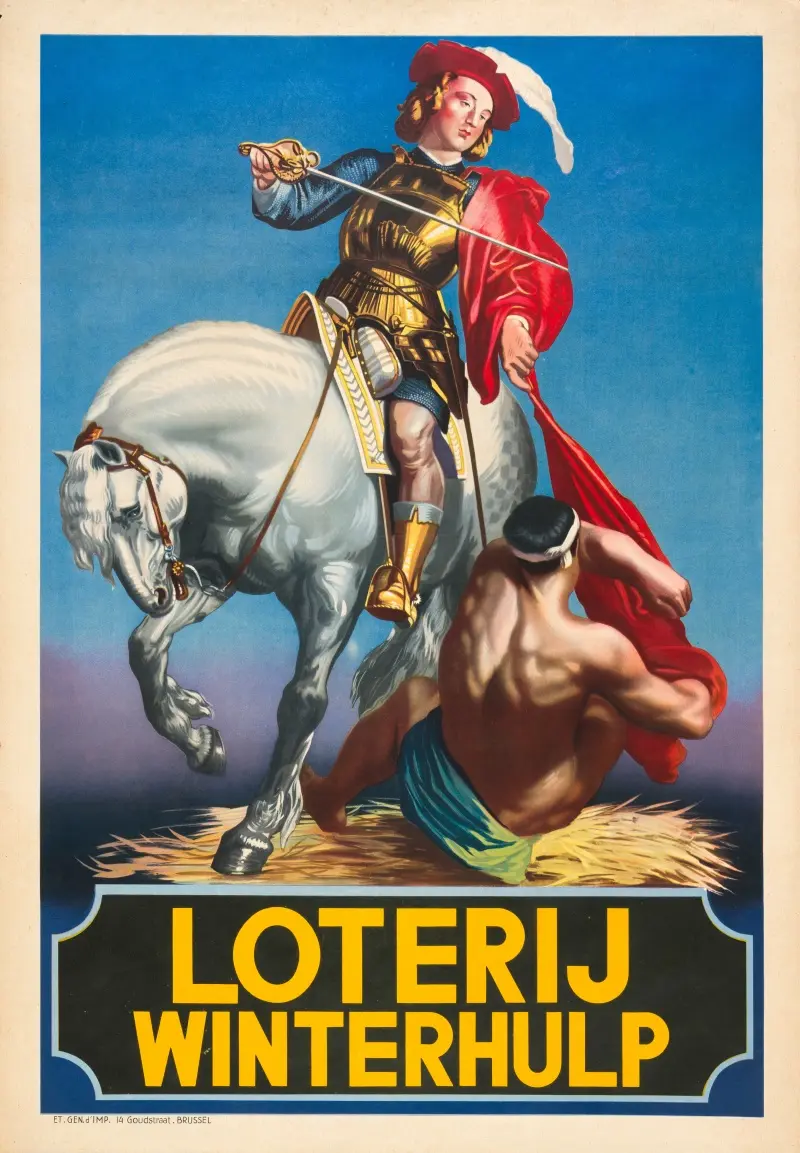
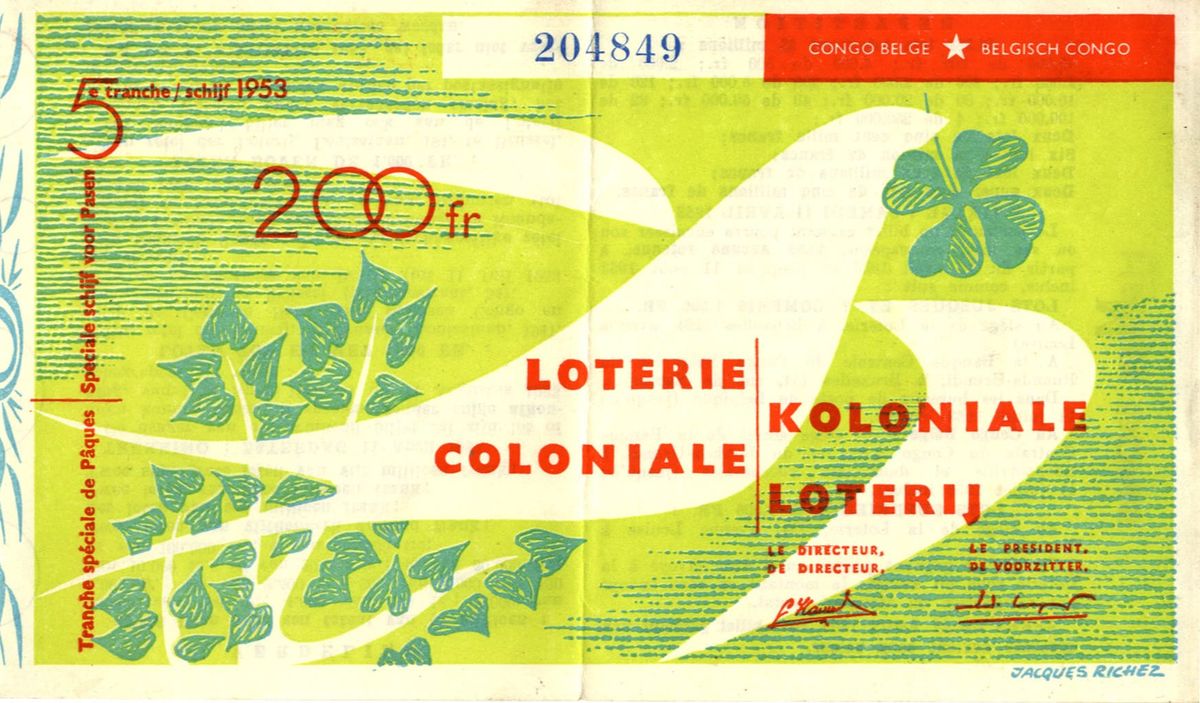
In 1934, the Belgian government established the Colonial Lottery. A portion of the proceeds was always allocated to the Congo. At that time, the Belgian colony was in the midst of a severe economic crisis. During World War II, the proceeds from the Winter Aid Lottery were, as a one-time exception, directed to Belgians in need. Posters depicting Saint Martin splitting his cloak in two were a common sight on the streets at the time. After Congo gained independence, the National Lottery was established in 1962. The current Lotto has been in existence since 1978. Since then, many new lottery games have been introduced. After all, who doesn’t like to take a chance?
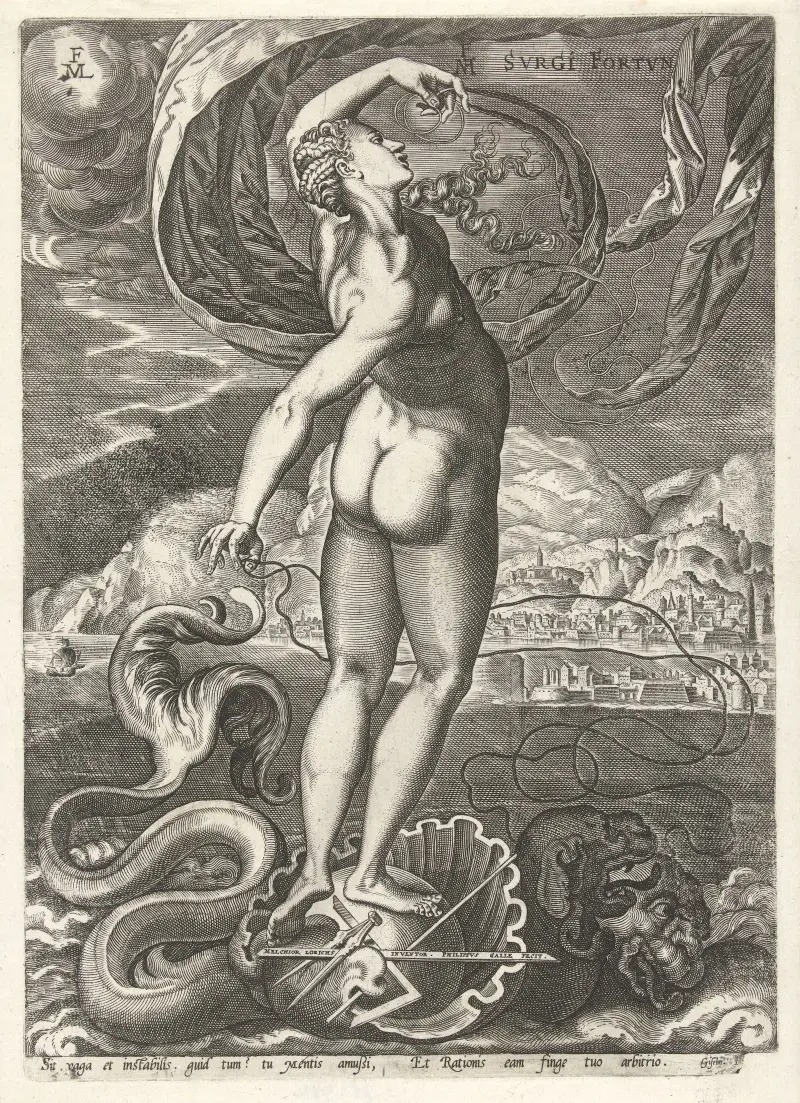
Opponents call the lottery a tax on stupidity. Gambling is indeed addictive and has already caused problems for many people. But the National Lottery also supports many charitable, athletic, and cultural projects. Since 1992, the National Lottery has also been building its own collection of artworks centered on the theme of games of chance. You can view part of that collection online.
This story was created by OKV for FAAM - Virtual Museum.
 ErfgoedApp
 ErfgoedApp
 ErfgoedApp
 ErfgoedApp