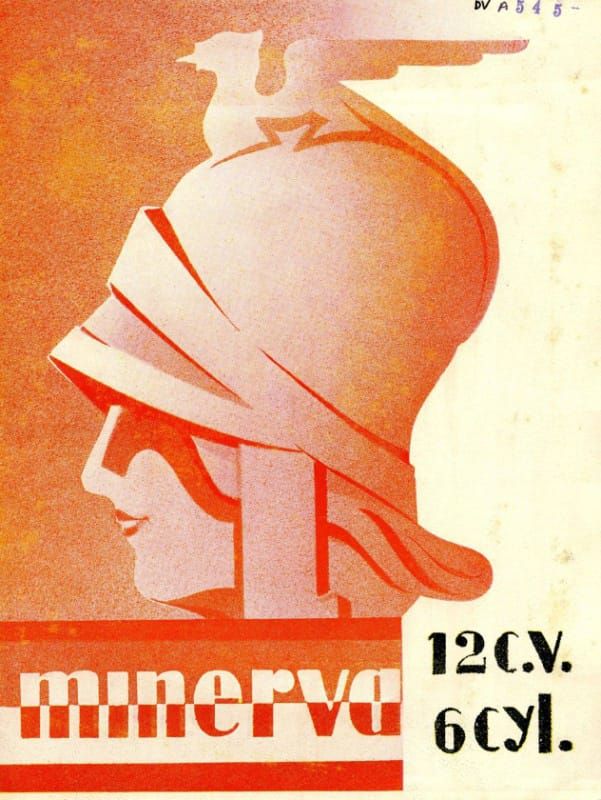
In 1904, motorcycle manufacturer Sylvain de Jong began producing automobiles in Antwerp.
After a few years, he gave up motorcycling. From then on, he built luxury cars at his new factory in Berchem. His cars were known for their refined finish, their custom craftsmanship, and their speed.
Minerva soon became the most prestigious car brand in Belgium. King Albert I often drove his Minerva himself, and his wealthy compatriots followed suit. Even Henry Ford, the head of the American Ford Motor Company—the world’s largest automaker—bought a Minerva in 1912.
The wealthy painter Anna Boch took her Minerva on a trip to France, where she painted picturesque scenes along the way. The well-known writer Cyriel Buysse saw nothing but advantages in such a fast automobile.
The great, great thing about the car is that it takes you to places you would otherwise never think of going to. Who would bother spending three-quarters of a day languishing in a slow, cramped local train just to visit some region or small town, where perhaps a nice, picturesque view awaits—but perhaps also a dull disappointment? The car finds those spots along the way; they come to it on their own.
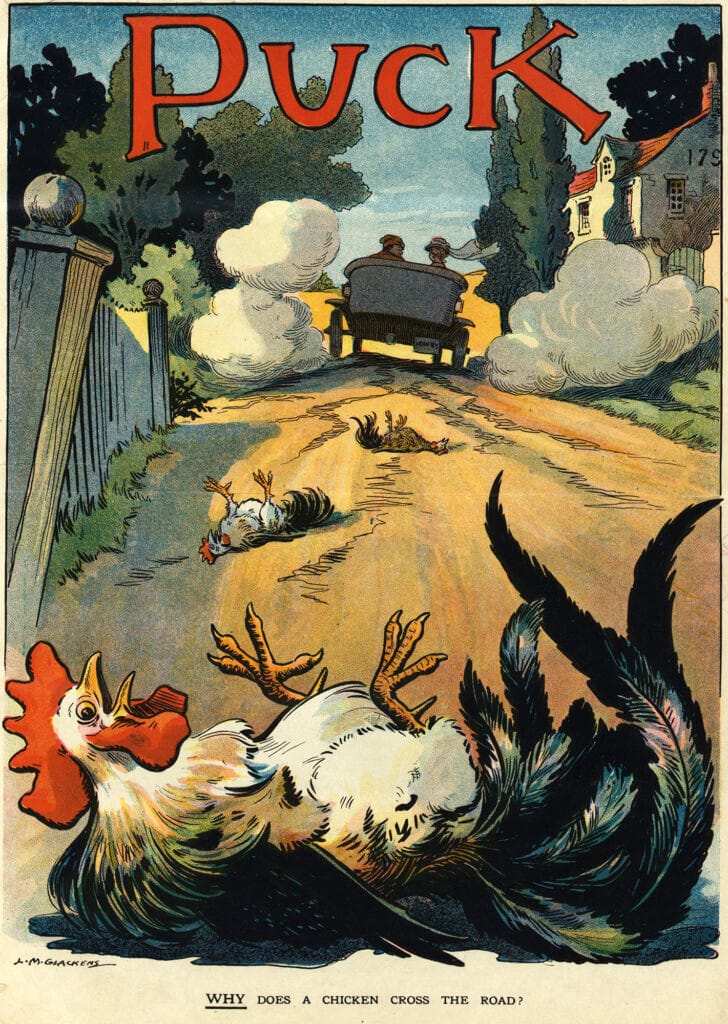
Still, not everyone was happy about the automobile’s success. After the noisy and smelly steam train had made its way through, people warned of the danger posed by this new speed demon. Not only would the noise and the billowing exhaust fumes disturb the peace in the countryside, but many farm animals would also be run over by this fast monster.
This story was created by OKV for FAAM - Virtual Museum.