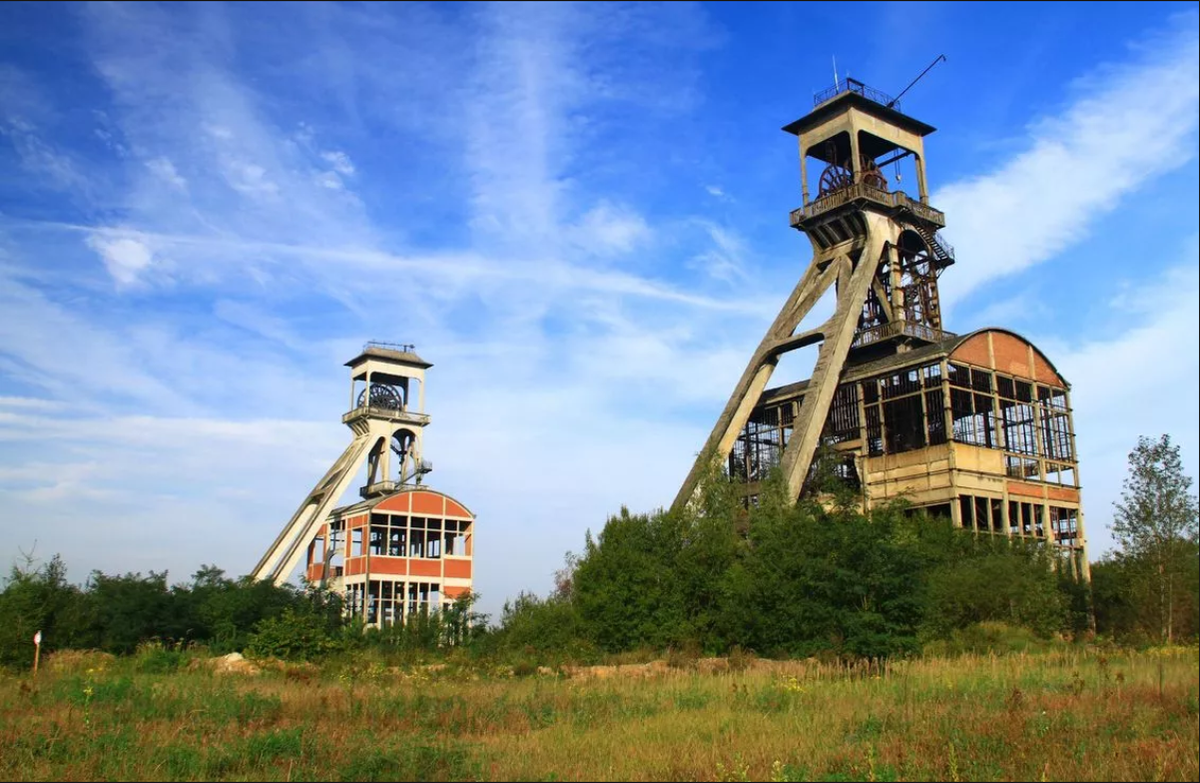
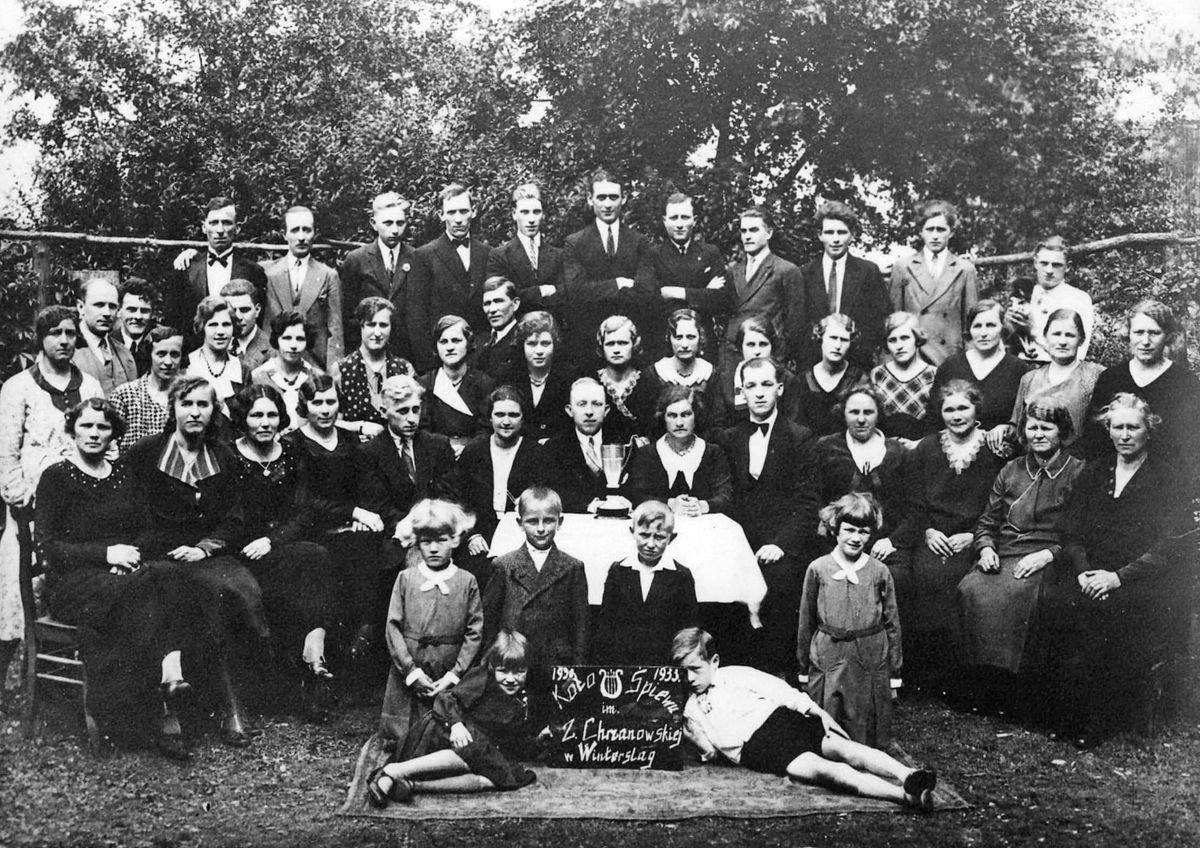
The novel *Zosja* (2020) by Limburg-based author Arlette Henek tells the story of her grandmother, who moved from Poland to Belgium as a young woman during the interwar period. She followed her husband, who had found work in the Waterschei coal mine. He was one of the tens of thousands of Poles who made an important, yet largely forgotten, contribution to Belgium’s prosperity.
Better known are the treaties Belgium signed with Mediterranean countries such as Italy (1946), Morocco, and Turkey (1964) to attract much-needed workers. But the mines had been struggling with a labor shortage long before that.
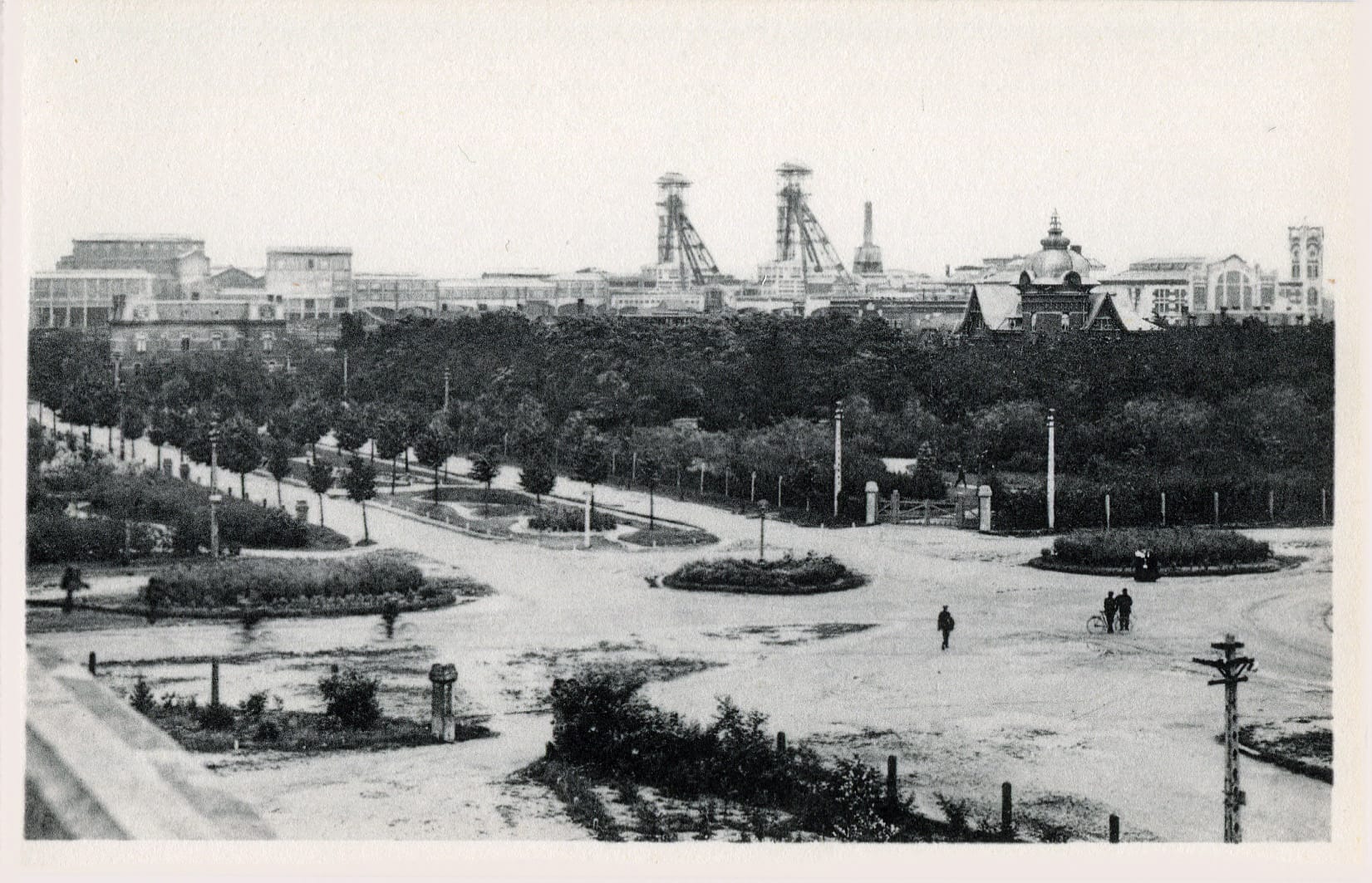
In 1911, the first 127 Polish men arrived to work in the mines of Hainaut. After World War I, immigration increased rapidly. Major mining companies began actively recruiting in countries such as Poland.
In 1930, nearly 20% of Belgium’s miners were foreigners. The Poles among them founded organizations such as gymnastics clubs (Sokół). With the crisis of the 1930s, Belgium’s immigration policy became stricter for the first time, and fewer immigrants entered the country.
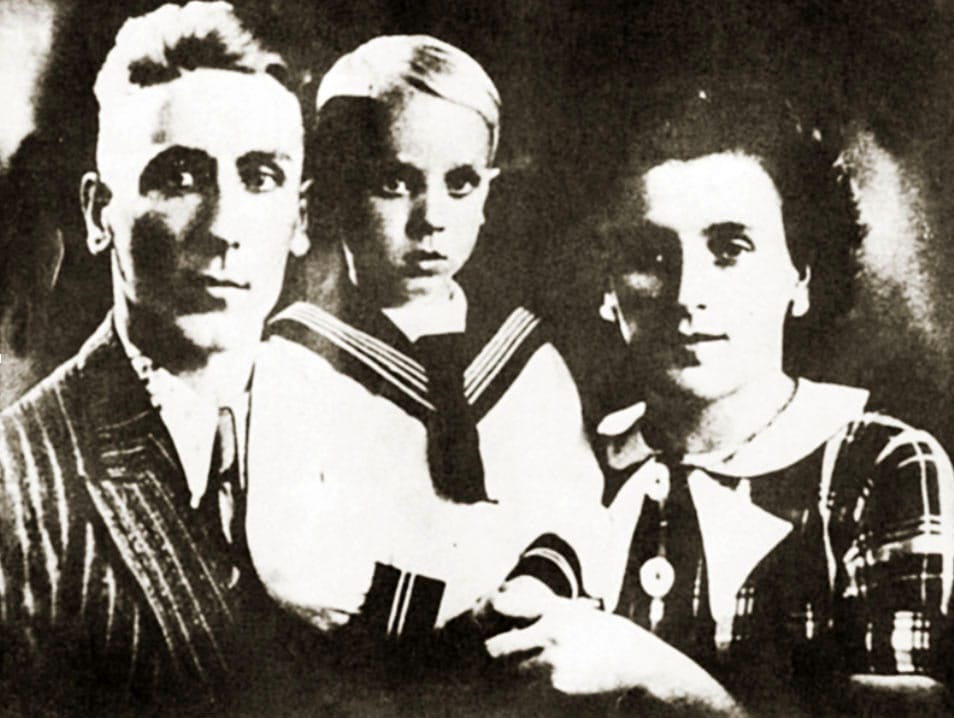
After World War II, Western Europe once again needed large quantities of coal, and Belgium needed workers. In defeated Germany, there were millions of displaced persons, including many forced laborers and prisoners of war from Central and Eastern Europe. Once again, the mining companies turned to them. This led to a new wave of Polish immigration—not everyone wanted to return to their homeland, which had since become communist.
Many Poles in Belgium migrated to the country only recently, following the fall of the Berlin Wall and Poland’s accession to the European Union (2004). But there are also still many “anciens” of Polish descent living in the former mining regions. Within the Genk Polish Heritage Society, descendants like Arlette Henek strive to keep the memory of their ancestors alive.
This story was created by Geheugen Collectief for FAAM – Virtual Museum.
 ErfgoedApp
 ErfgoedApp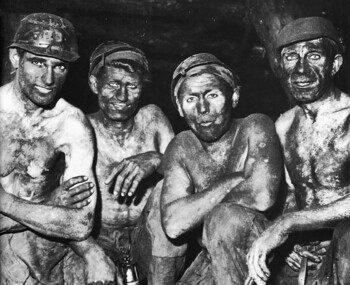
 ErfgoedApp
 Dorien De Vrindt
 Dorien De Vrindt