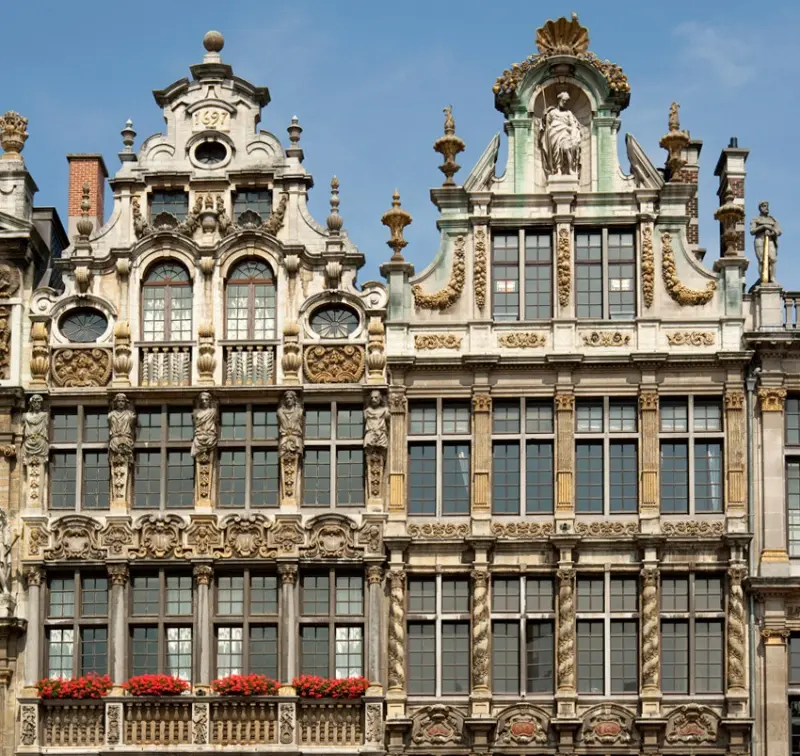
As early as the 11th century, informal organizations of people sharing the same profession or trade began to emerge in the Low Countries. These artisans often lived together in the same streets and neighborhoods of medieval towns. In the regions that today make up Flanders, they were primarily active in the food supply chain, the textile industry, the construction sector, leatherworking, and metalworking, …
Many street names in Flemish cities still reflect that concentration of people in the same profession.
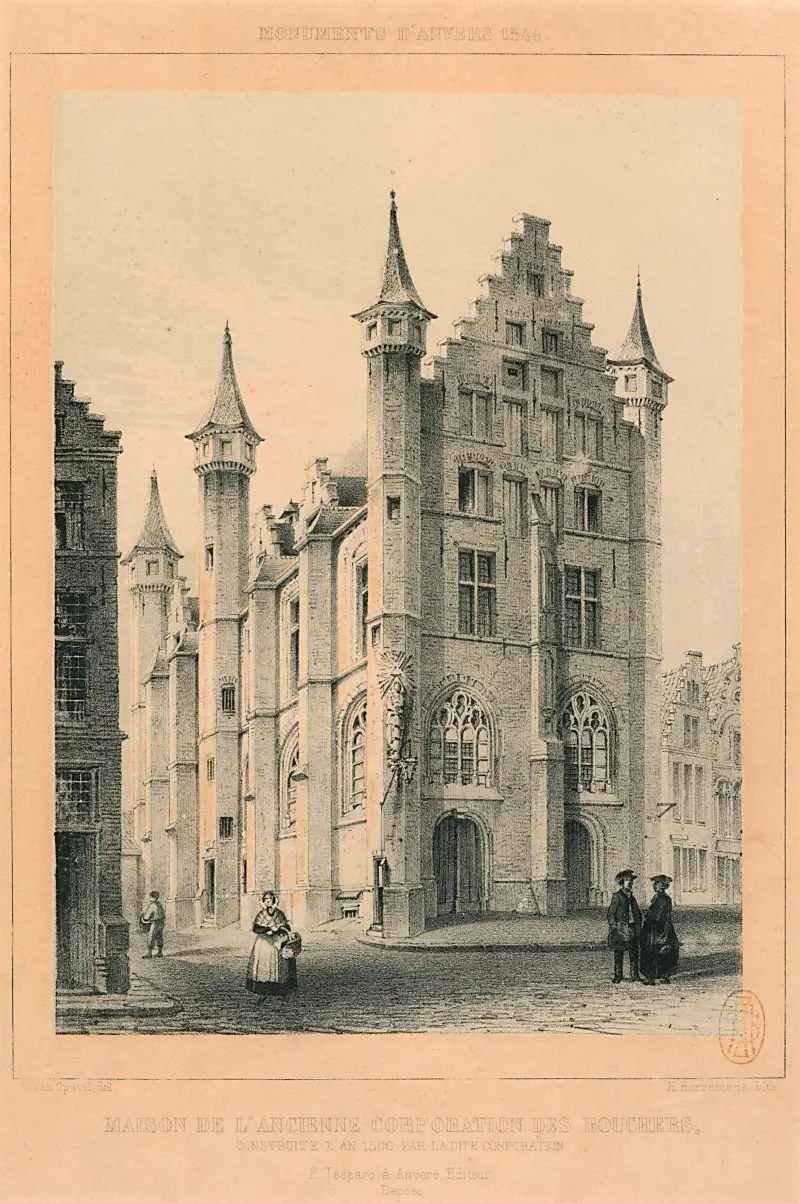
By the late Middle Ages, various occupational groups had begun to organize themselves into formal craft guilds. In addition to providing social support for their own members and passing on technical knowledge, they also increasingly sought political influence. Certainly from the 14th century onward, they left their mark on the urban economy. They helped determine regulations governing industry and trade, enforced quality standards for raw materials and finished products, and oversaw working conditions.
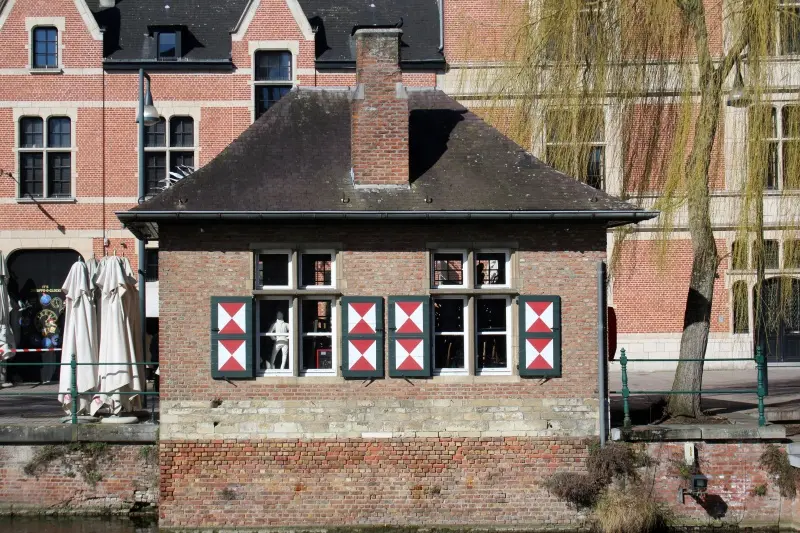
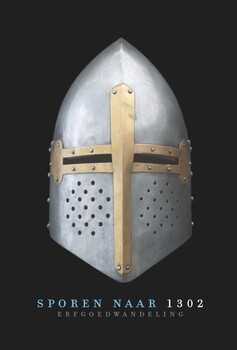
Sometimes the guilds also played an important military role: for example, during the Battle of the Golden Spurs in 1302, the army of the Count of Flanders consisted largely of artisans. Well-known leaders of the Flemish troops in that battle, such as the weaver Pieter de Coninck, came from the craft guilds.
In the 16th and 17th centuries, the guilds lost political influence as the administration of the Flemish region became more centralized under the Habsburgs. Nevertheless, they continued to play an important role in urban society until the French Revolution.
This story was created by Geheugen Collectief for FAAM – Virtual Museum.
 ErfgoedApp
 ErfgoedApp
 ErfgoedApp
 ErfgoedApp