Since 2021, begging has been recognized as a human right. For centuries, however, it was treated as a crime that disrupted public order. In 1993, begging and vagrancy were removed from Belgian criminal law. The exploitation of beggars, however, remains a criminal offense.
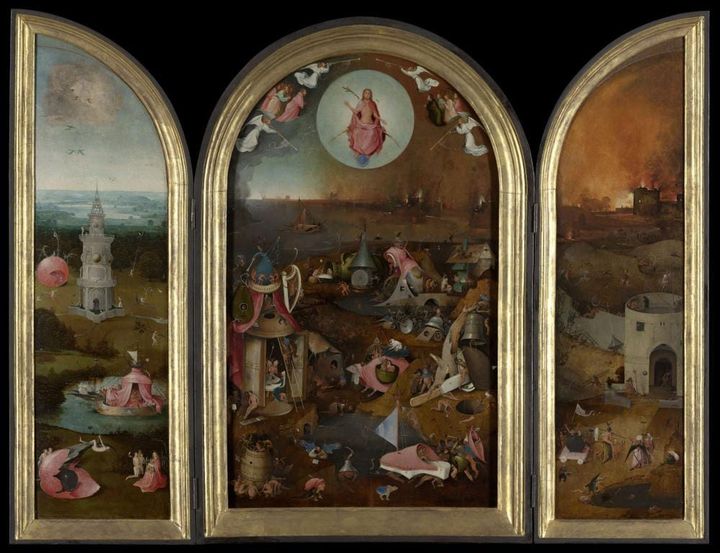
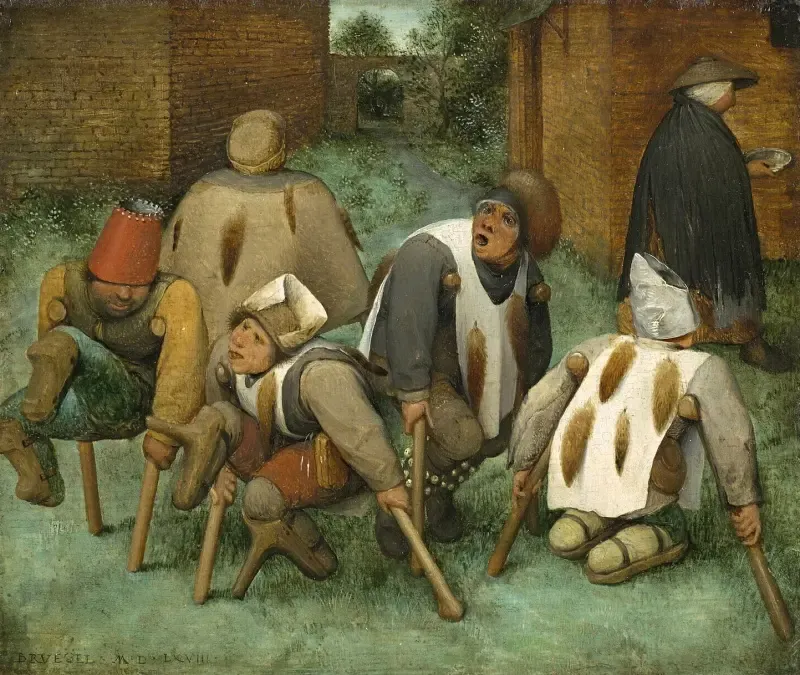
In the Middle Ages, beggars were regarded as outcasts who made no contribution to society. Giving money to a beggar, however, was seen as an act of charity. They were generally kept out of the city center. Only at fairs and festivals were they allowed to participate in public life. To attract attention and elicit pity, they dressed up and performed silly dances or played music.
To minimize public nuisance, national and local authorities implemented strict measures. Vagrants were required to wear a beggar’s badge, which was issued by the municipal government.
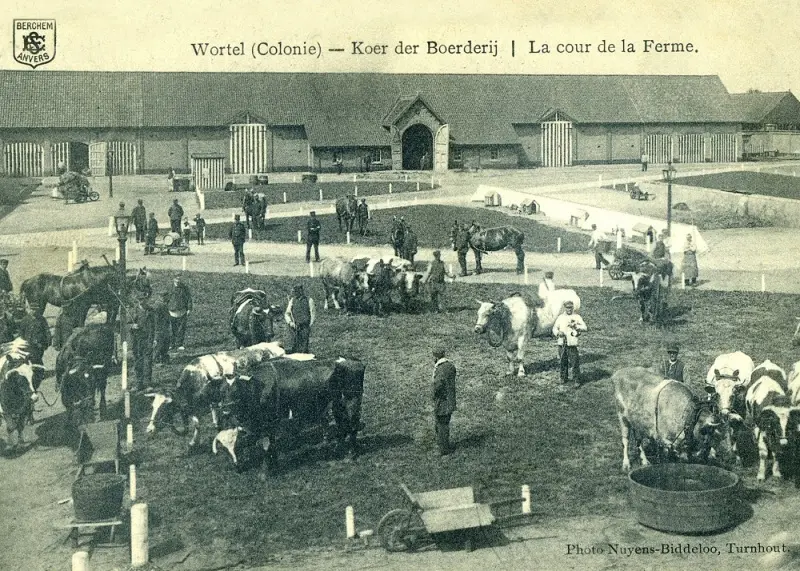
In the 19th century, poverty increased dramatically. To curb vagrancy, the government established beggars’ colonies. Beggars, vagrants, and the poor were housed on remote estates, far from the public eye. Ultimately, the Kempen colony comprising Hoogstraten, Merksplas, and Wortel was the only such facility in all of Belgium.
The aim here was to rehabilitate beggars and reintegrate them into society. Thus, in 1880, the Hoogstraten beggars’ asylum was transformed into an agricultural colony. Healthy beggars worked the land surrounding Hoogstraten Castle. In 1931, the colony was converted into an open prison with a training center.
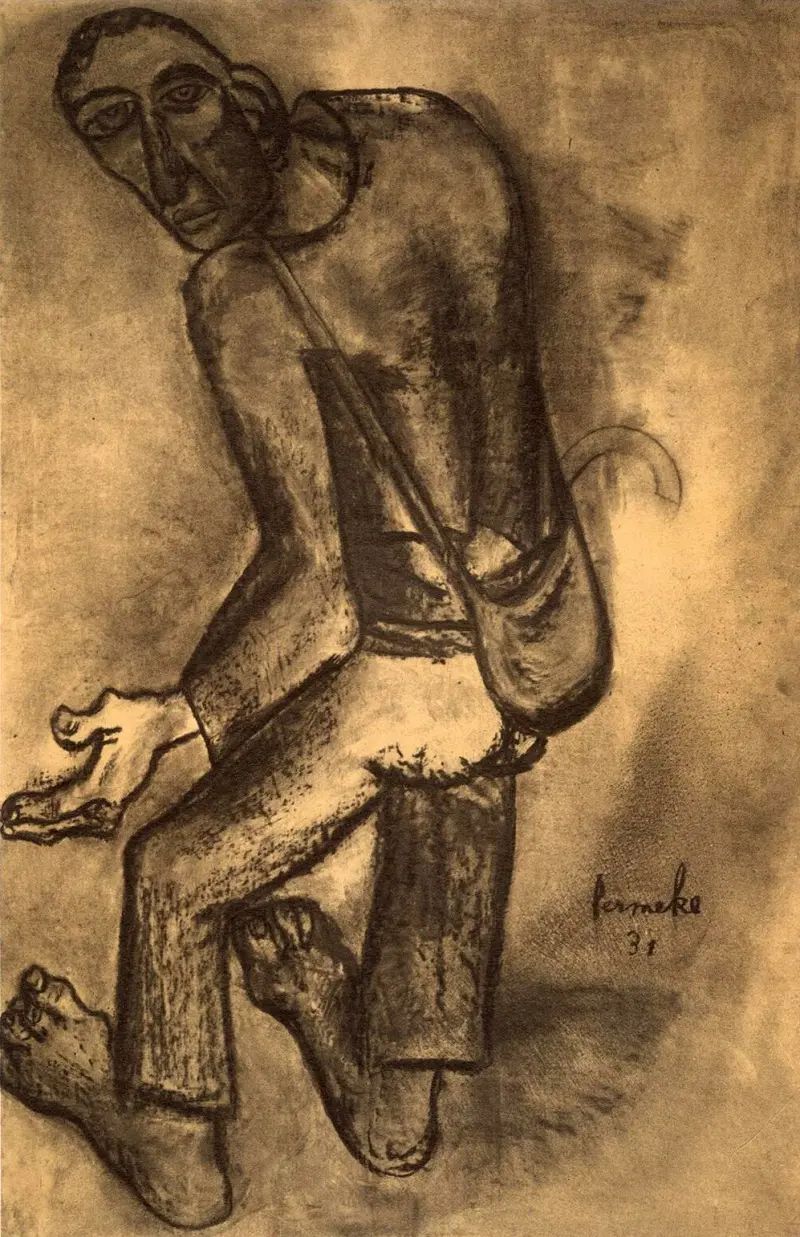
With the 1866 Vagrancy Act, Wortel Colony saw an influx of poor, homeless people. In 1870, the free agricultural colony of Wortel became a non-free charity colony. Today, these colonies are a UNESCO World Heritage Site and a quiet area featuring a charming petting zoo.
This story was created by OKV for FAAM - Virtual Museum.
 ErfgoedApp
 ErfgoedApp
 ErfgoedApp