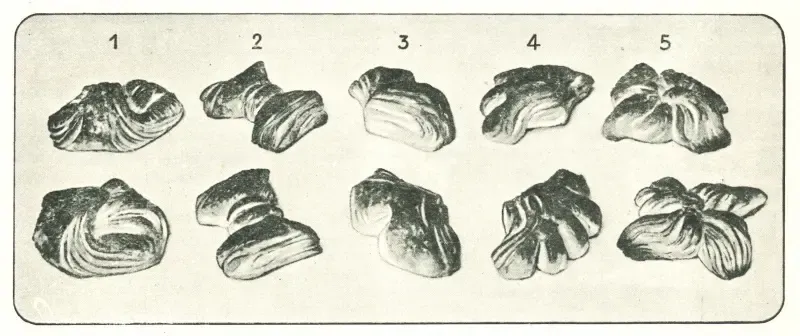
A world’s fair is the perfect occasion to showcase new products. It doesn’t always have to be a world-changing invention. A delicacy is also not to be sneezed at.
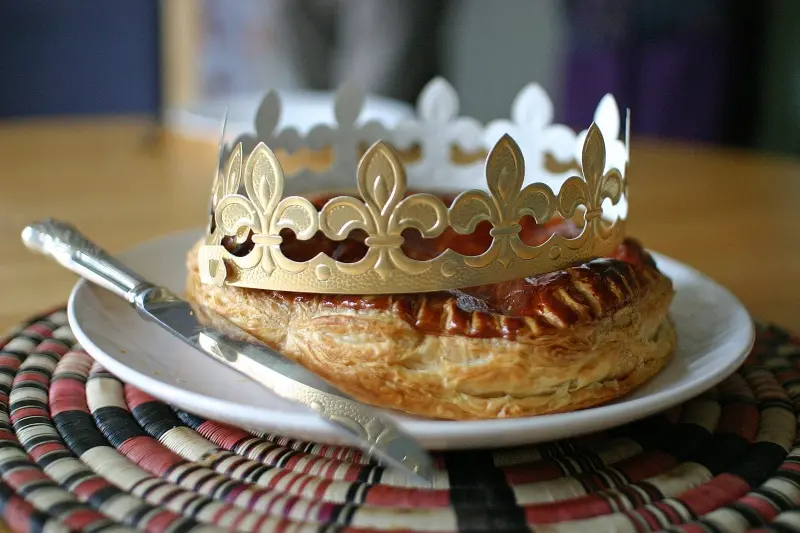
That’s how the butter cake was introduced at the 1910 World’s Fair in Brussels. Under the name“couques au beurre,” a Belgian bakerlauncheda puff pastry that was sweeter and creamier than the classic French croissant. The cake got its name—the butter cake—from its rich butter content. The baker found his inspiration in Denmark, where pastries served with coffee are a specialty.
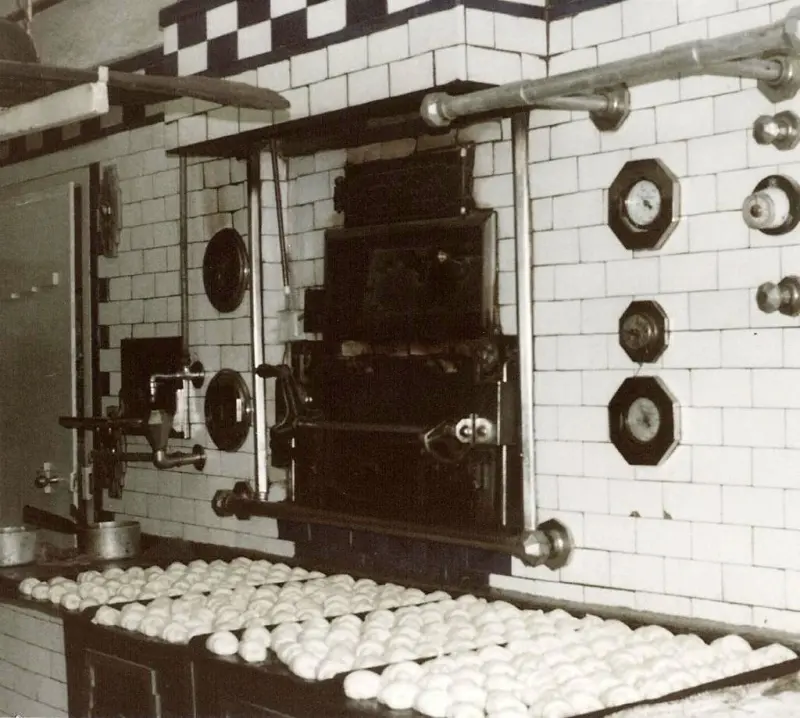
During World War II, the butter cookie was refined. In 1942, a German soldier lent a hand at the Tuyttens bakery in Esen, Diksmuide. Together with the baker, he created a delicious cookie that has been known as the authentic Diksmuide butter cookie since 1978. Soon, this West Flemish delicacy was being imitated throughout Belgium. Along with the croissant and the chocolate roll, it ranks among the top three Belgian pastries.
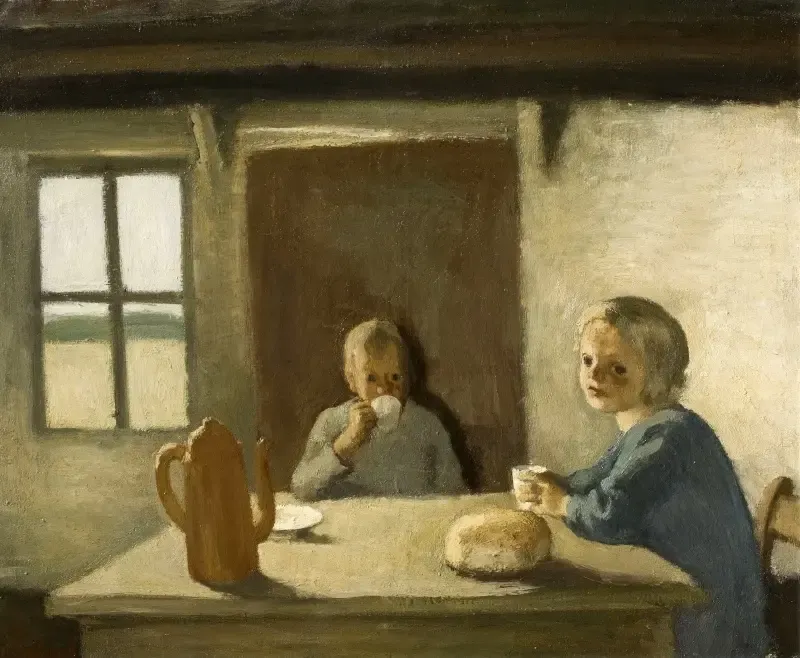
Nowadays, everyone enjoys the butter cake. But when it was first introduced in 1910, thecouque au beurrewasn’t within everyone’s budget. Just like the croissant, the butter cake found its way onto the breakfast tables of the affluent middle class, who were always on the lookout for new flavors.
At a Dutch bakery, a "boterkoek" is something completely different
If you ask for a “boterkoek” at a Dutch bakery, you’ll be offered something completely different. There, a “boterkoek” is a flat, round cake made with real butter. By the way, the term “koffiekoek” won’t get you very far in the Netherlands. People there prefer to call it a “koffiebroodje.” Enjoy!
This story was created by OKV for FAAM - Virtual Museum.
 ErfgoedApp
 FAAM
FAAM