On the first weekend of April, crowds line the Oude Kwaremont. The cobblestone climb in Kluisbergen is a major crowd-puller for one of the most important cycling races of the year: the Tour of Flanders. It has only been part of the course since 1974. But in recent years, it has become a true decider in the final stretch.
All those people gathered on a hillside in the Flemish Ardennes—it speaks volumes about the importance of the Tour and of cycling in Flanders. After all, cycling isn’t just popular there; according to many, “the race” is the quintessential Flemish sport.
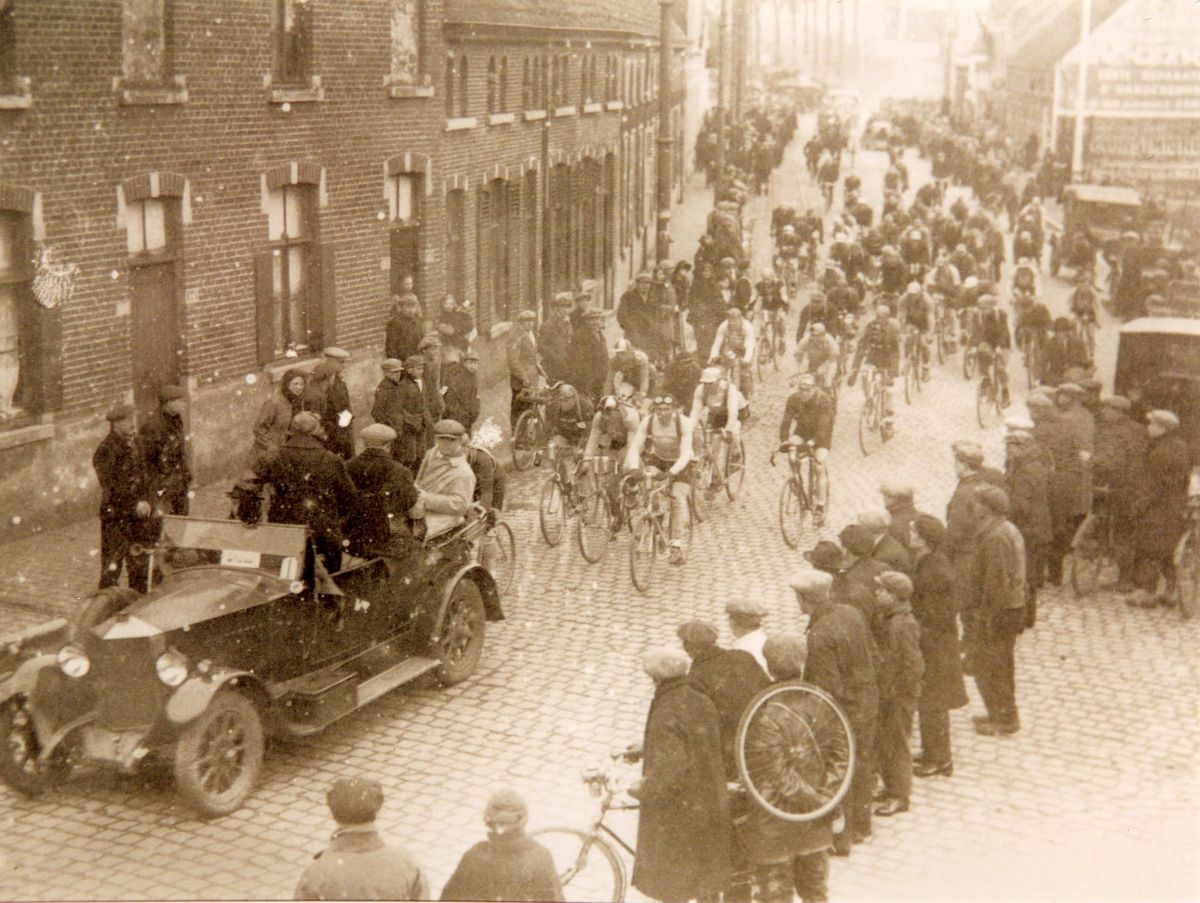
The foundation for that love was laid in the 1900s, when bicycles became affordable for ordinary men and women.
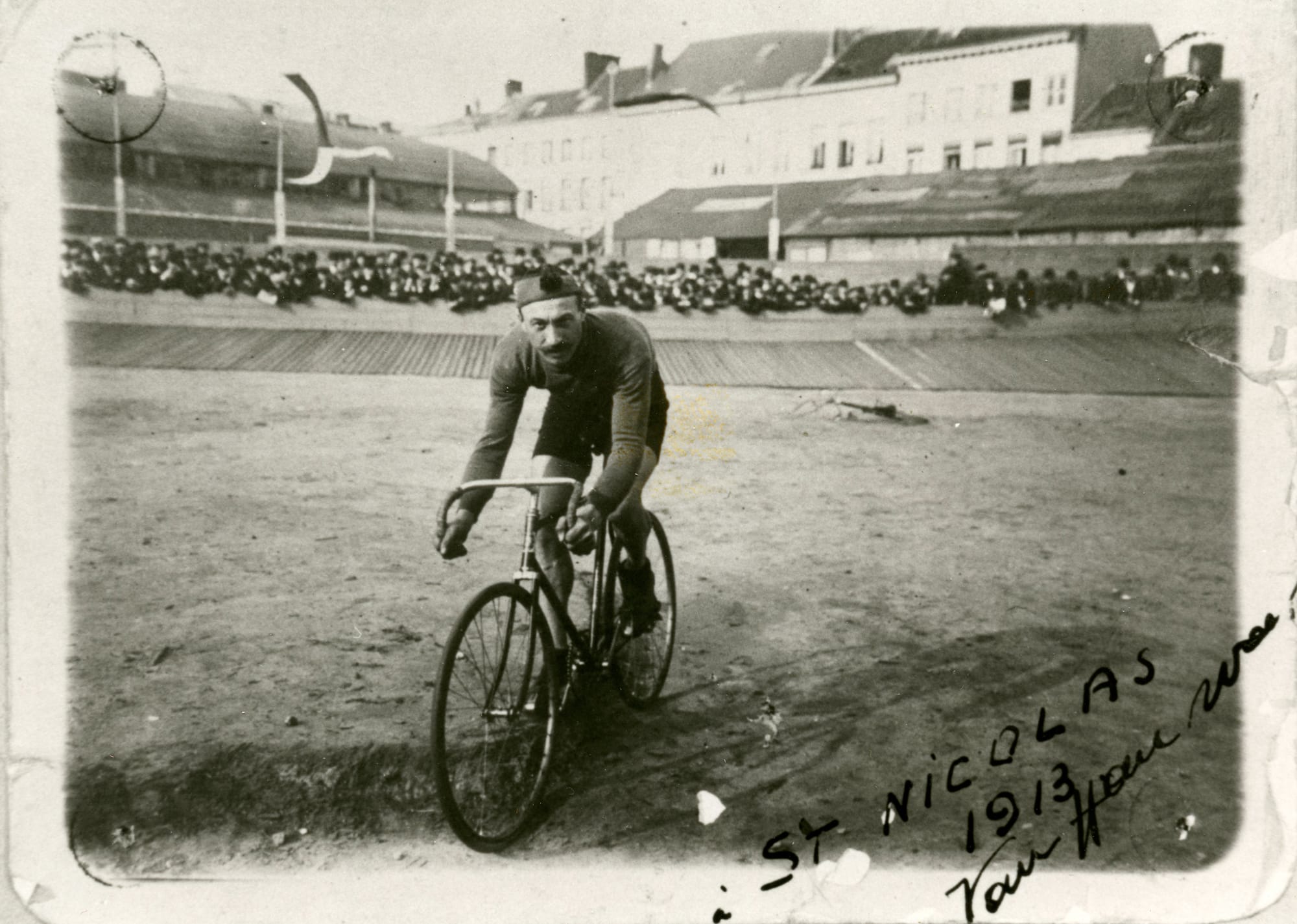
Races were held in villages and small towns throughout the region. Soon, Flemish riders such as Cyrille van Hauwaert and Odiel Defraeye were also achieving success in international races, such as the Tour de France and Paris–Roubaix.
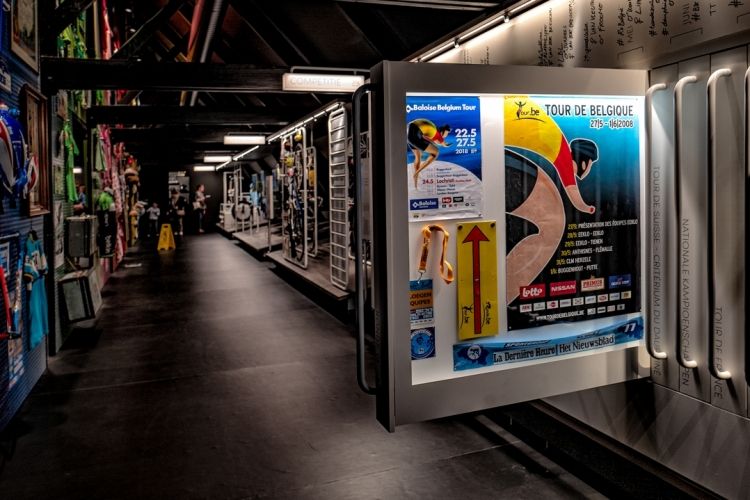
Sportwereld eagerly capitalized on that popularity. The sports newspaper first rolled off the presses in 1912 and became the most popular sports publication in Flanders. In 1913, its director organized the first Tour of Flanders. The race through East and West Flanders grew into a highlight of the cycling season. The fact that the race also became a Flemish symbol was partly thanks to Karel van Wijnendaele. The editor-in-chief of Sportwereld was very pro-Flemish. He wrote about cycling as a sport of the people and about Flemish riders as strong heroes. In this way, he sought to strengthen Flemish identity.
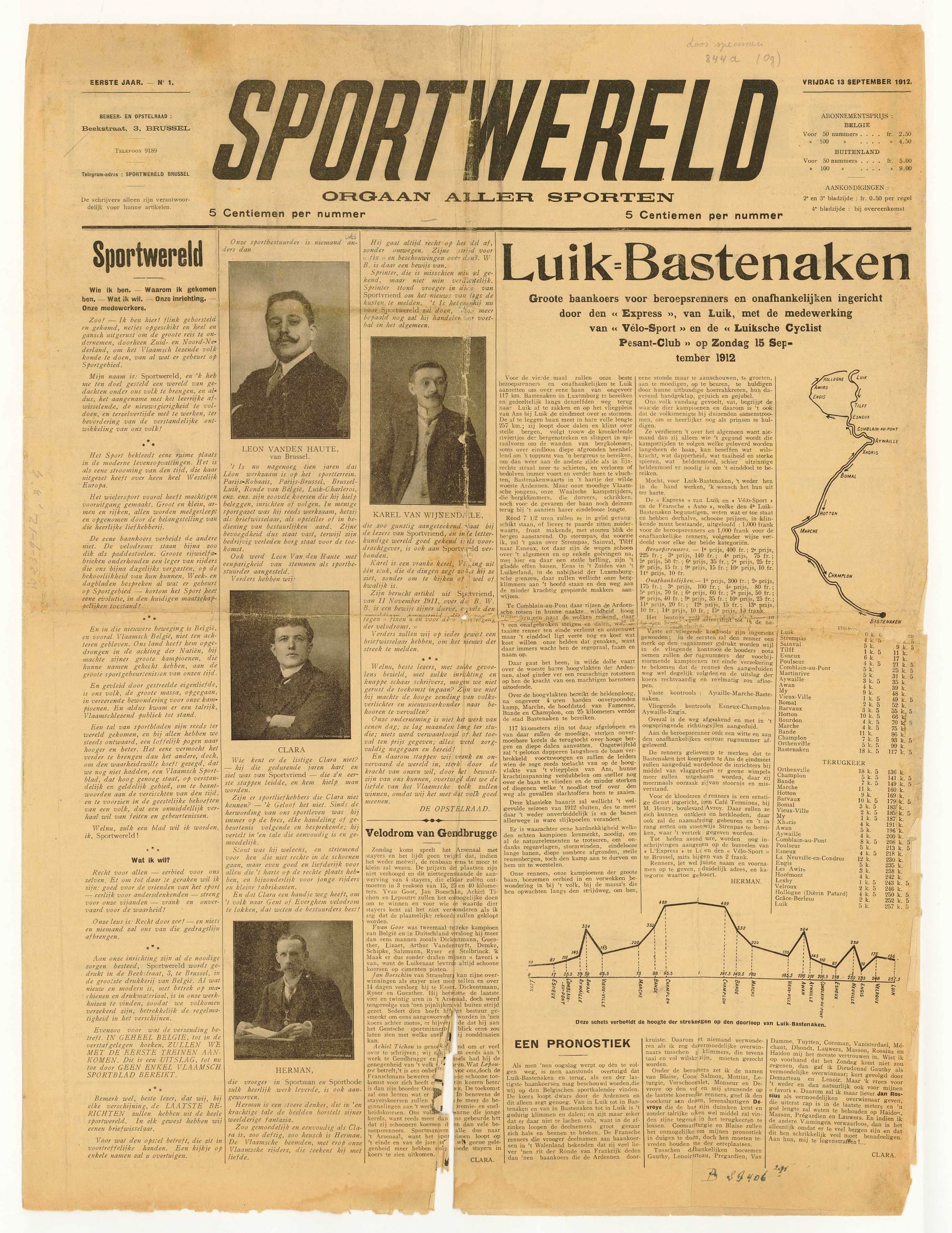
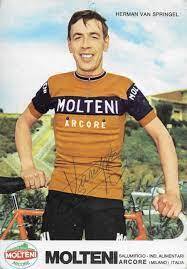
His words had an impact. To this day, riders such as Olympic champion Greg van Avermaet celebrated as “flandriens.” This is a term for a “typically Flemish” cycling hero. What’s new is that female riders, or “flandriennes,” are now also receiving attention and support. This has certainly been the case since a women’s Tour of Flanders was launched in 2004.
This story was created by Geheugen Collectief for FAAM – Virtual Museum.
 ErfgoedApp
 ErfgoedApp
 Michelle
 ErfgoedApp