
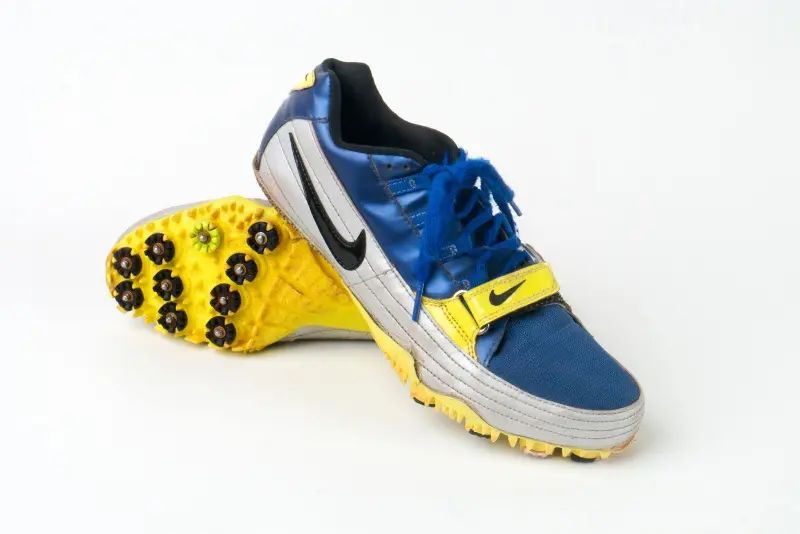
European champion in the 100- and 200-meter dashes, a gold medal with the relay team at the 2008 Olympic Games, and no fewer than 27 Belgian championship titles: sprinter Kim Gevaert has amassed an impressive list of achievements.
The fact that she was able to build such a career was less obvious than it seems. Sports as we know them today are a 19th-century invention. The first sports clubs and competitions were heavily male-oriented.
Many sports figures, as well as the Catholic Church and even doctors: they all considered vigorous physical activity inappropriate for women.
It was said that their bodies were not suited to the physical demands of soccer or cycling. Moreover, playing sports would distract them from their duties as wives, mothers, and homemakers. Only sports such as swimming or gymnastics were considered appropriate, because they emphasized “feminine” elegance.
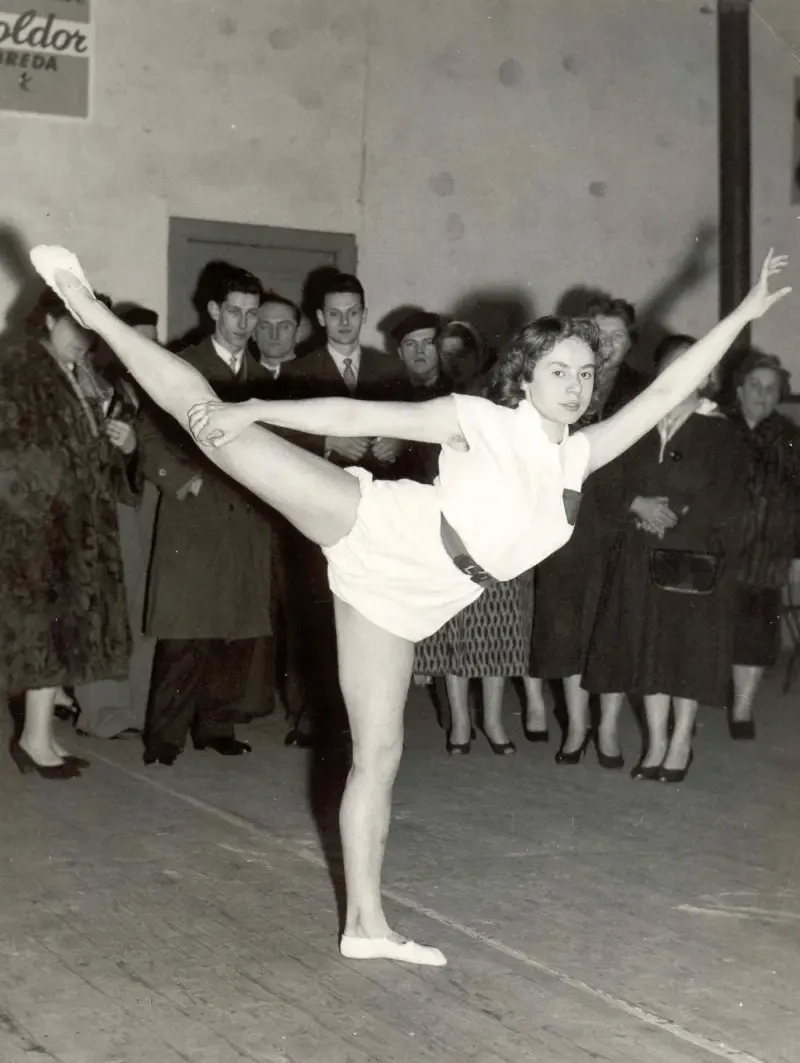
Nevertheless, women did participate in a wide variety of sports. For example, there were female cyclists as early as the late 19th century. But due to widespread prejudice, women were often excluded from official sports competitions. It wasn’t until 1904, for example, that the first female athletes appeared at the Olympic Games. The Belgian Cycling Federation even refused to officially allow women’s races until the 1950s.
Starting in the 1960s, women’s sports gained greater prominence as part of a broader women’s liberation movement in society.
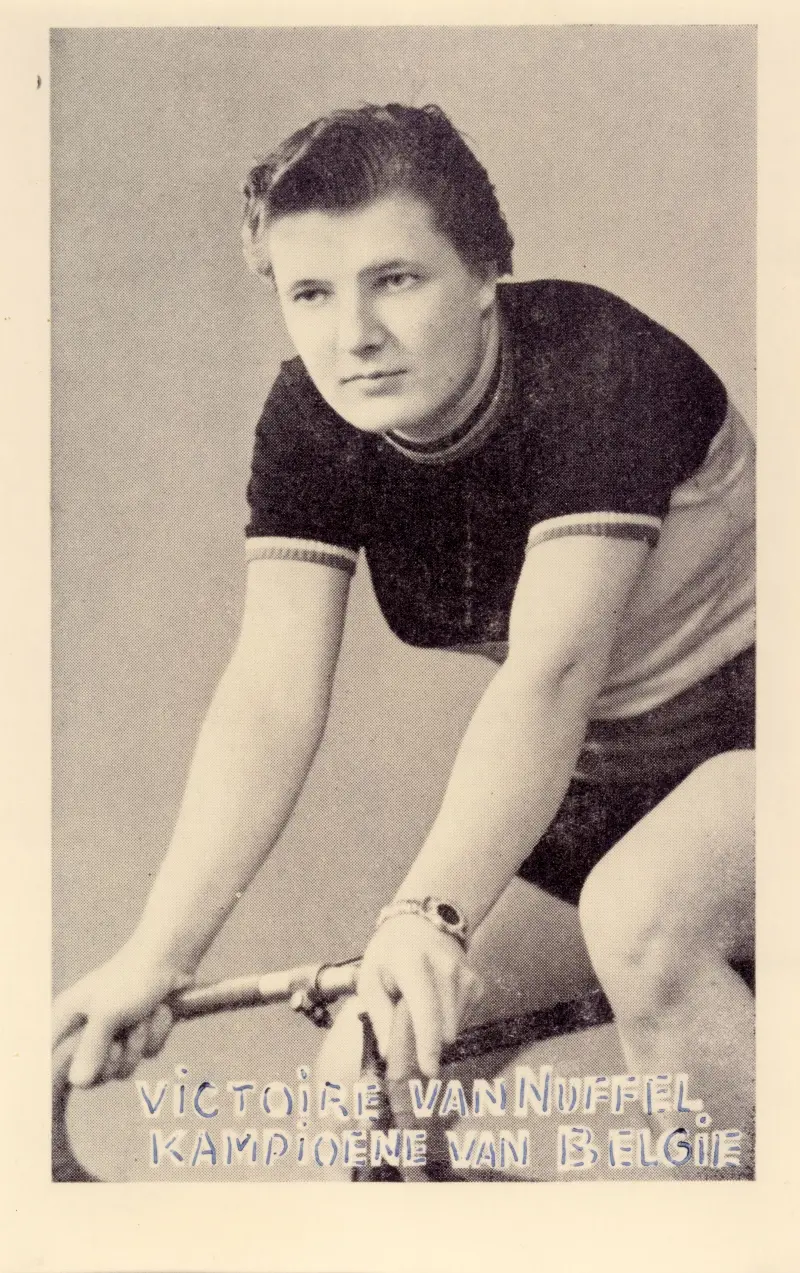
For example, starting in 1971, the Belgian Football Association organized the first official league for women’s teams. Female athletes such as Victoire van Nuffel and seven-time world champion Yvonne Reynders put women’s cycling on the map. And at the Olympic Games, women such as judoka Ulla Werbrouck and Tia Hellebaut shone. Yet female professional athletes often still earn less than their male counterparts. Moreover, their efforts receive less media attention.
This story was created by Geheugen Collectief for FAAM – Virtual Museum.
 ErfgoedApp
 ErfgoedApp
 ErfgoedApp
 ErfgoedApp