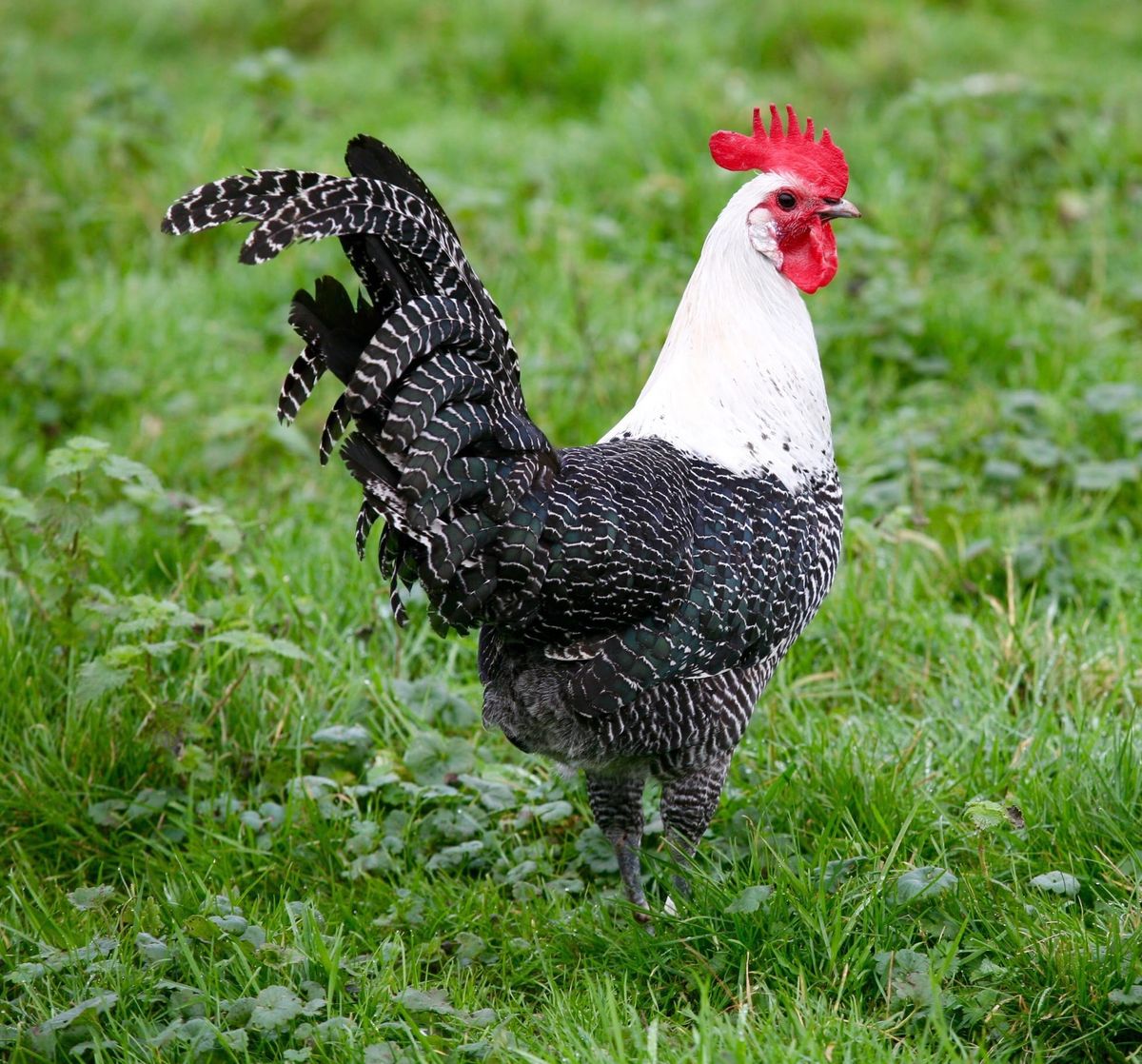
Just a chicken? The Kempen chicken isn’t just any chicken—it’s a succulent piece of Flemish heritage with a history dating back thousands of years.
The story of the Kempen chicken begins in Asia, around 3000 BCE.
That was when people first began keeping chickens, primarily for their meat and eggs. Through human intervention, chickens spread across the globe. Local breeds emerged, adapted to new environments. In addition to natural selection, humans also played a role. After all, farmers selectively bred chickens that possessed traits useful to humans.
This is also how the Kempen chicken came to be, as farmers in the Kempen region consistently selected the best egg-layers. Because the chickens fed on whatever food was available on a Kempen farmyard and its surroundings, they were also well adapted to their environment. The breed is said to be centuries old. Some people even recognize the Kempens Kieken in the 16th-century paintings of Pieter Brueghel the Elder.
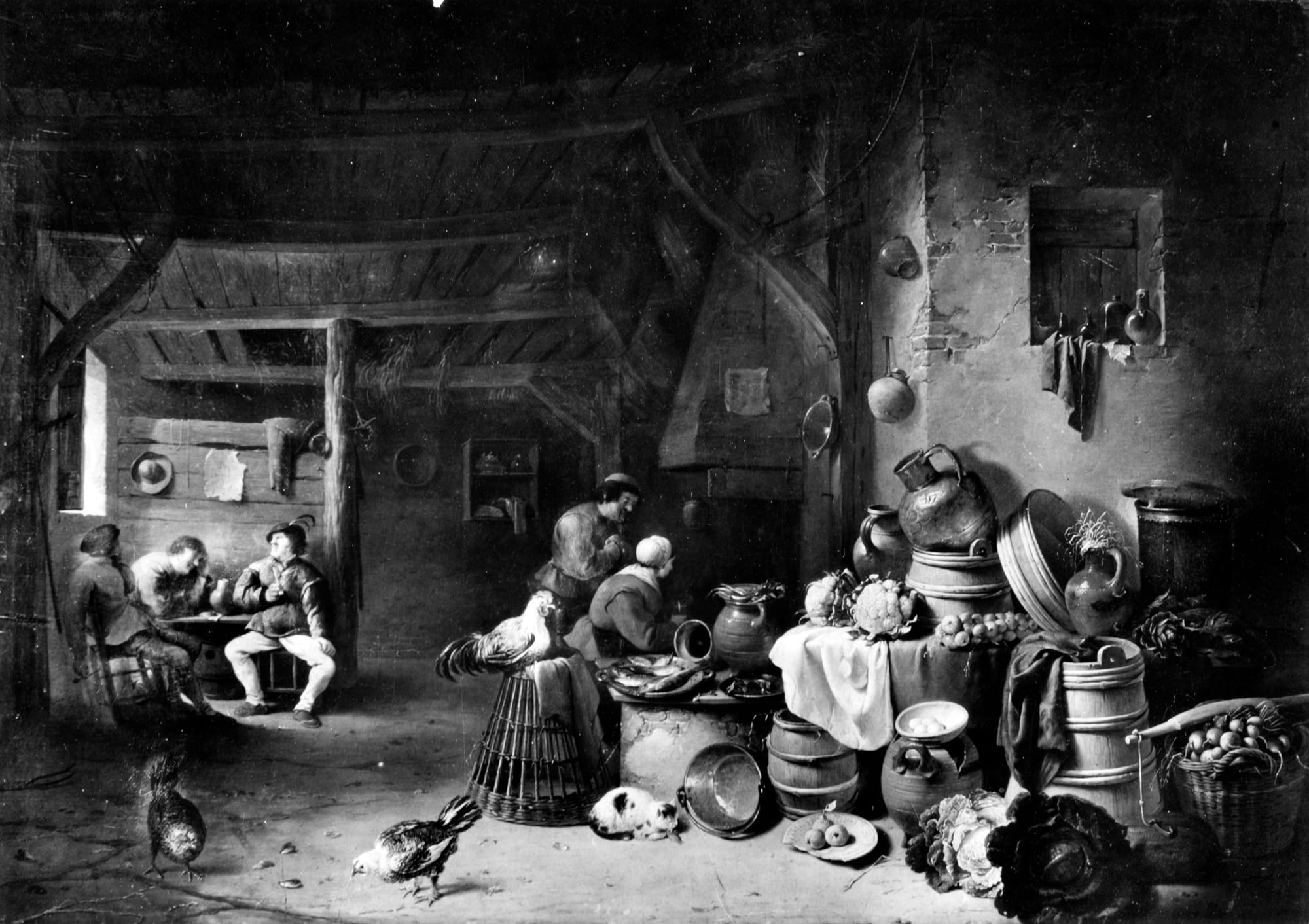
In the 19th century, the number of chicken breeds increased rapidly. Farmers and breeders crossed local breeds with foreign ones to develop the ultimate egg-laying or meat chicken. For example, the famous Mechelen Cuckoo was developed in the 1850s by crossing local chicken breeds with American-Asian Brahma chickens from the Antwerp Zoo.
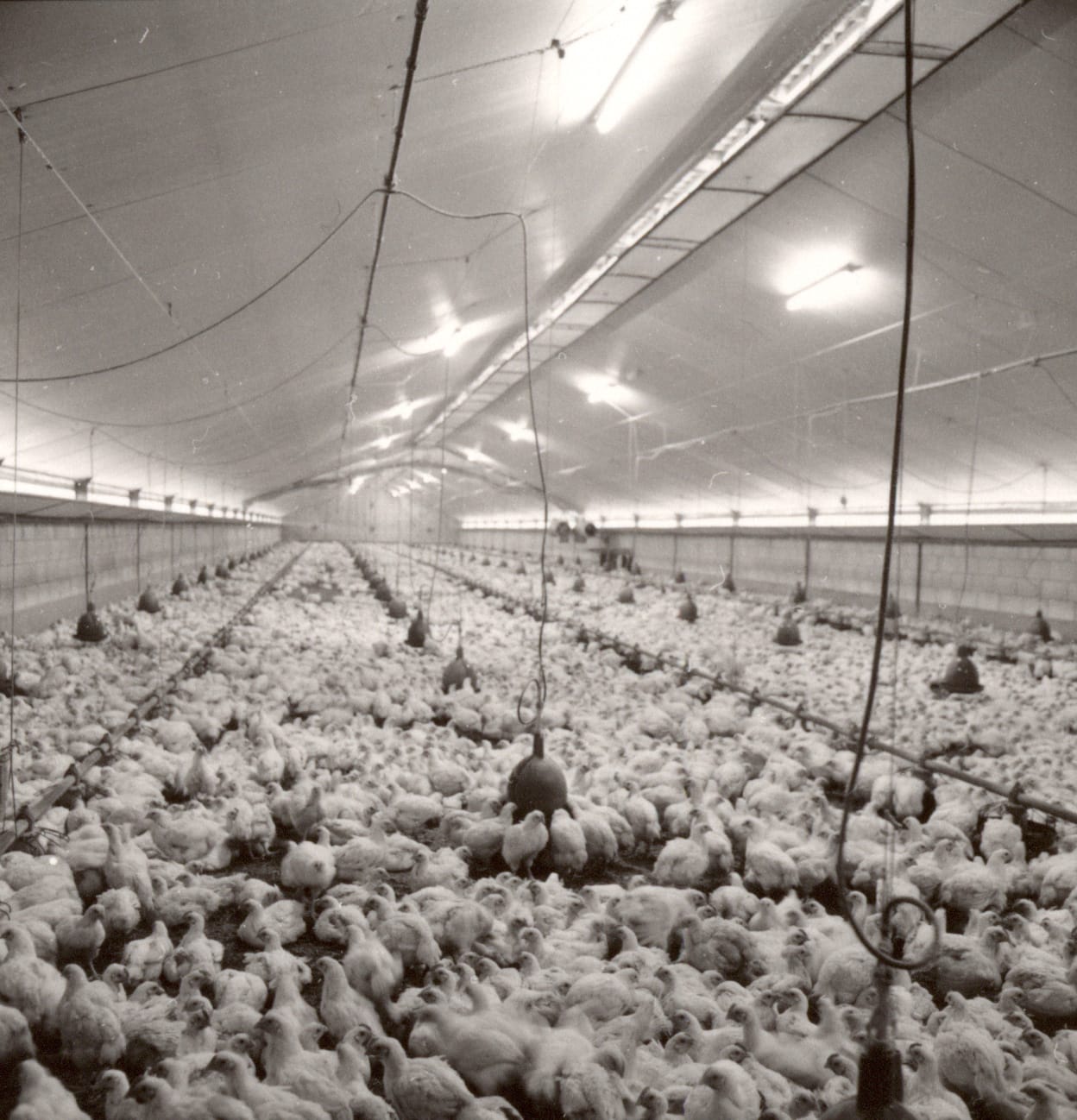
After World War II, chicken eggs and meat became mass-produced commodities. Chicken farming became industrialized. The Kempen chicken and the Mechelen cuckoo chicken were replaced by laying hens and broiler chickens with even higher yields. The Kempen chicken became extinct, and the Mechelen cuckoo chicken is now endangered.
Both breeds are now considered living heritage, as they are said to be representative of traditional life in Flanders. That is why organizations such as Kempens Hoen are working to preserve these breeds and even revive them.
This story was created by Geheugen Collectief for FAAM – Virtual Museum.
 ErfgoedApp
 ErfgoedApp
 ErfgoedApp
 FAAM
FAAM