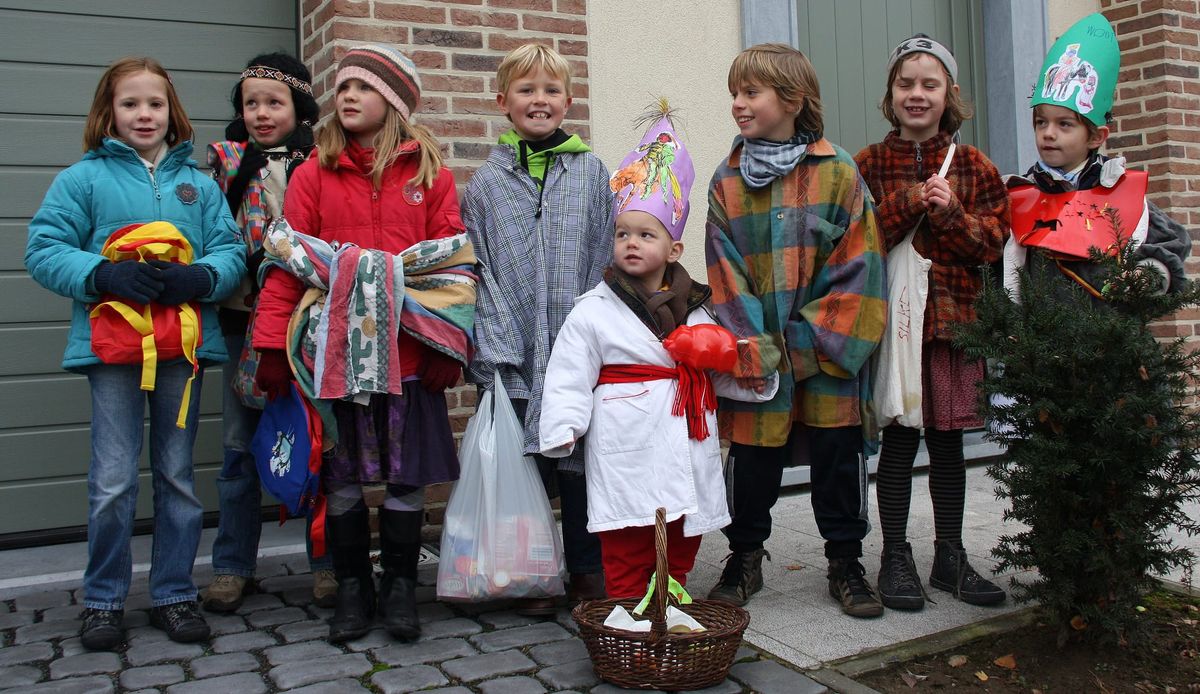
Halloween has been gaining popularity in Flanders over the past few decades. By the end of October, you increasingly see hollowed-out pumpkins with lights inside them. Children go door to door in costume to collect candy.
In its current form, Halloween has come over from America, but it originally was a European Catholic festival celebrated on the eve of All Saints' Day (November 1).
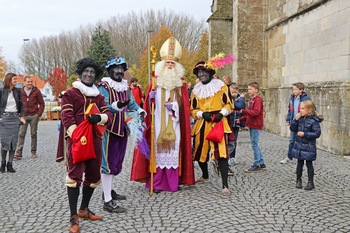
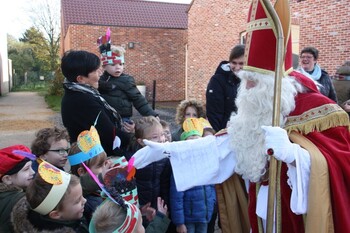
The Catholic tradition has many such “begging festivals.” Examples include All Saints’ Day, as well as New Year’s Day and Epiphany (January 6). On these occasions, poor people would go from door to door to collect food or money. It’s no wonder that this took place mainly during the harsh winter months. Gradually, the focus shifted to a festival for children.
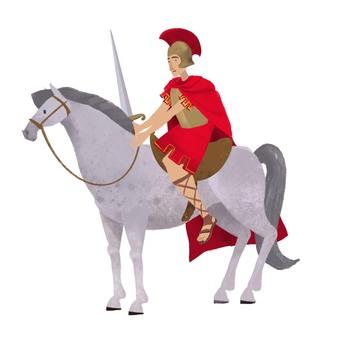
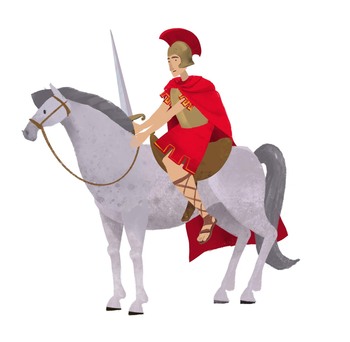
Some days of begging were associated with a saint’s feast day. November 11, for example, is the name day of Saint Martin. Martin lived in the 4th century and was a soldier in the Roman army. According to legend, he met a shivering beggar at the city gate of Amiens (France), to whom he gave half of his cloak. The beggar turned out to be Christ, whereupon Martin converted to Christianity.
The tradition of St. Martin's singing dates back to at least the 5th century.
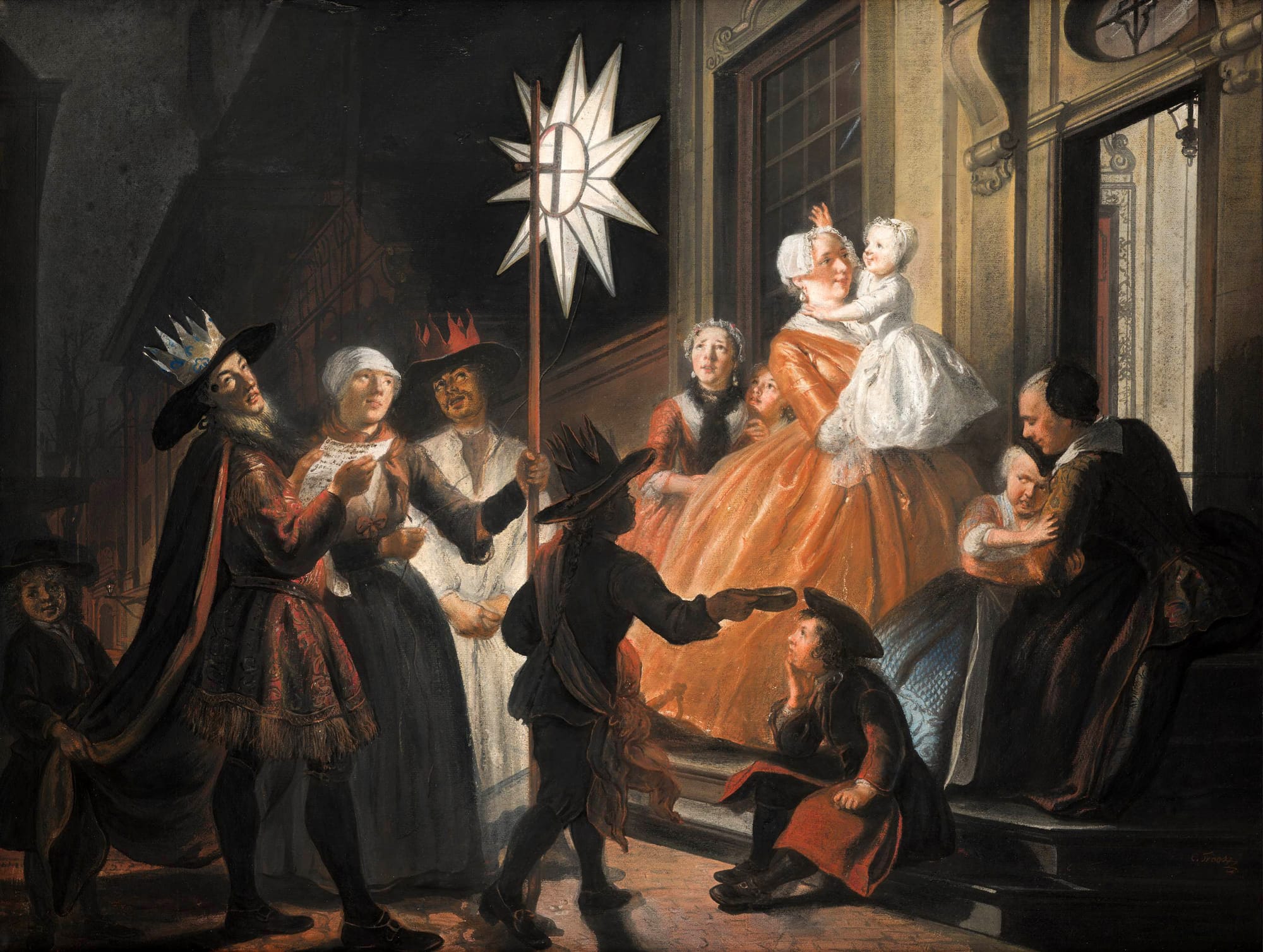
The festival also marked the beginning of Advent, the period leading up to Christmas. At the start of the 20th century, like other begging festivals, it evolved into a children’s festival.
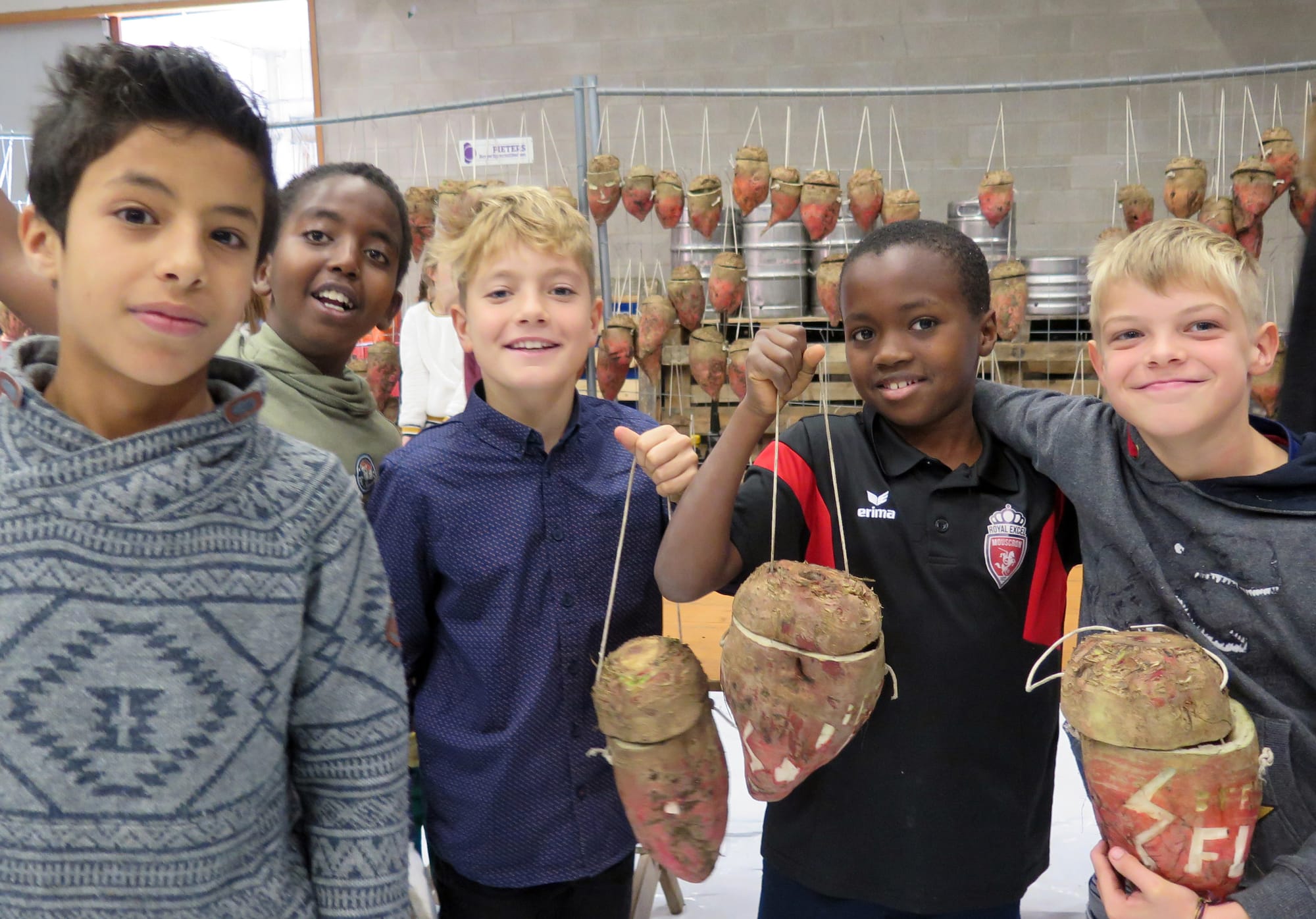
Every trick-or-treating celebration has its own regional customs, but many traditions follow the same pattern: children go from door to door singing and sometimes in costume, after which they are rewarded with money or candy. In Mechelen, for example, children dress up as Saint Martin and sing a “Sinte-Mettelied.” Because the celebrations take place during the dark winter months, the children often carry lanterns. In the Westhoek region, for instance, children make a lantern out of a hollowed-out beet for Saint Martin’s Day. Over the years, some customs have evolved into light and lantern parades.
This story was created by Geheugen Collectief for FAAM – Virtual Museum.
 ErfgoedApp
 ErfgoedApp
 ErfgoedApp
 ErfgoedApp
 ErfgoedApp
 ErfgoedApp