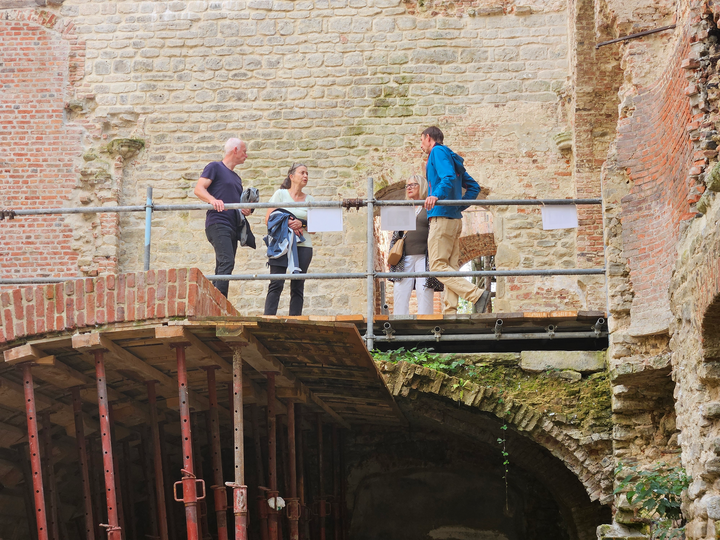
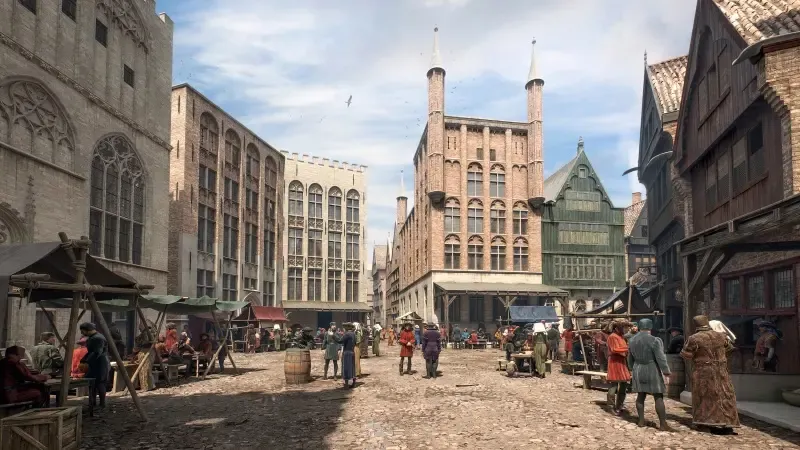
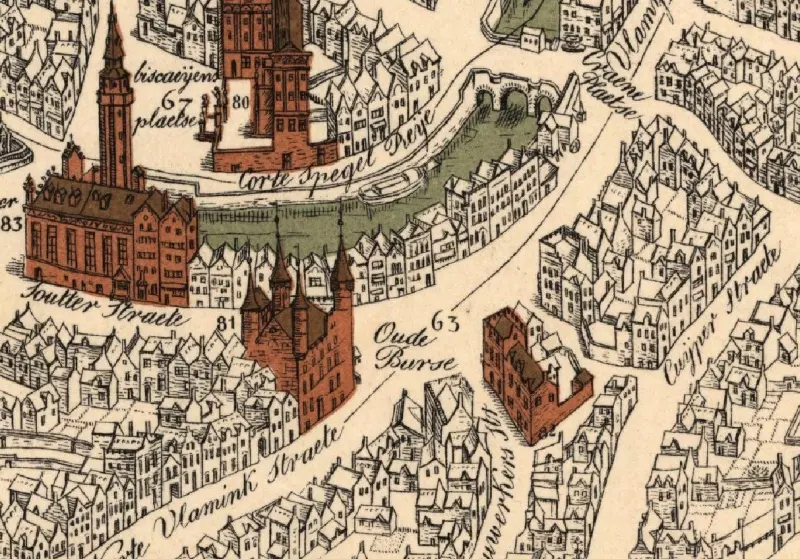
The financial heart of the medieval trading city beat on the Oude Beursplein in the center of Bruges.
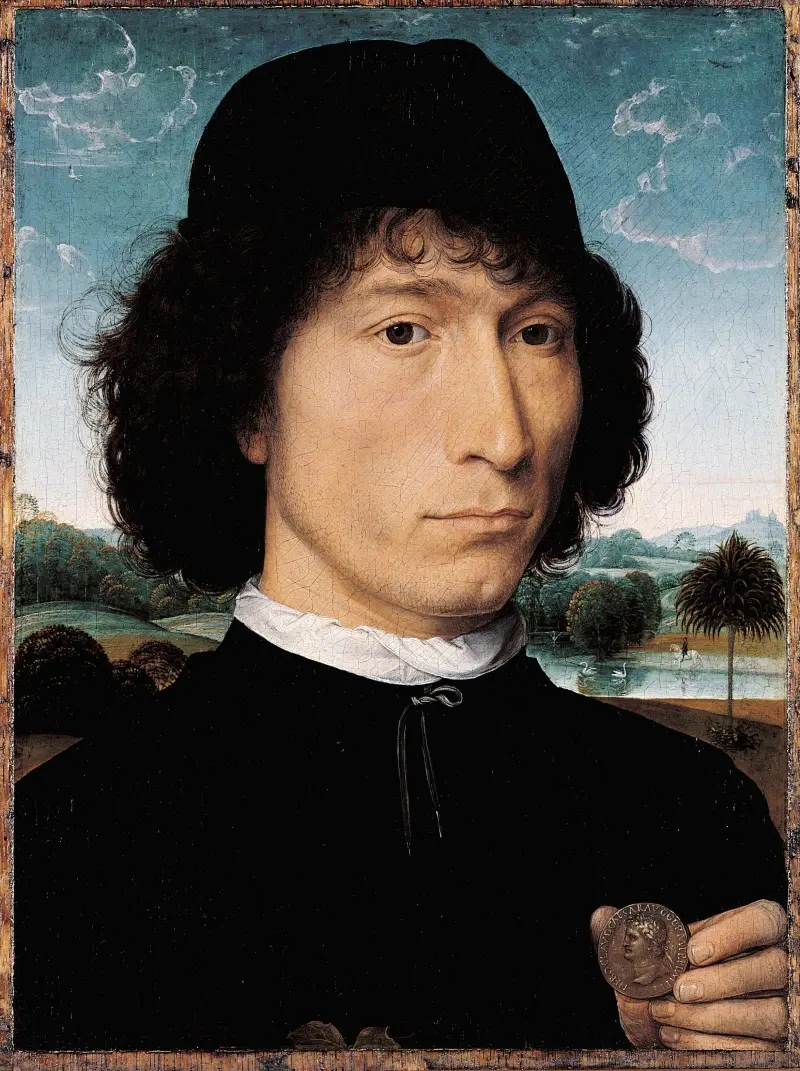
This square was once home to the guildhalls of the Italian city-states of Venice, Florence, and Genoa. Italians worked in Bruges as merchants or bankers. Their guildhalls served as the commercial hub for their fellow countrymen.
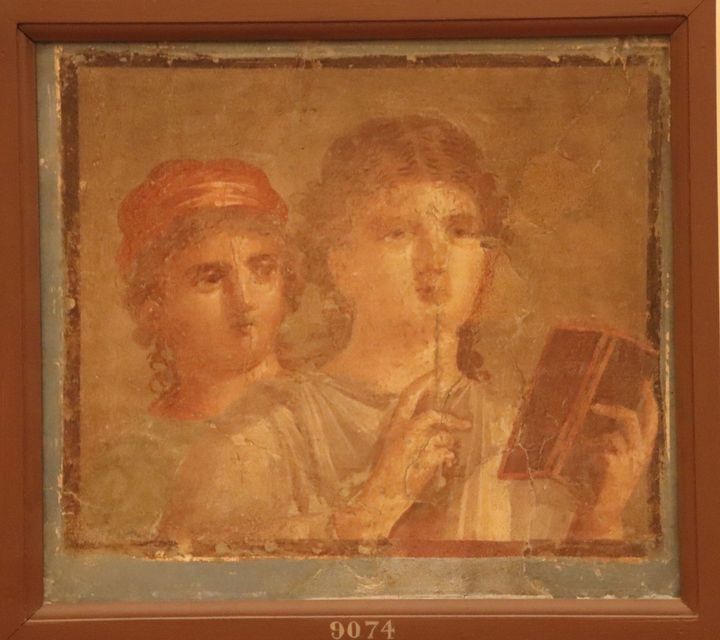
Merchants in northern Italy invented the bill of exchange in the 13th century. It was a written document containing an order to pay, often in a foreign currency. Payment was made either immediately or at a later date.
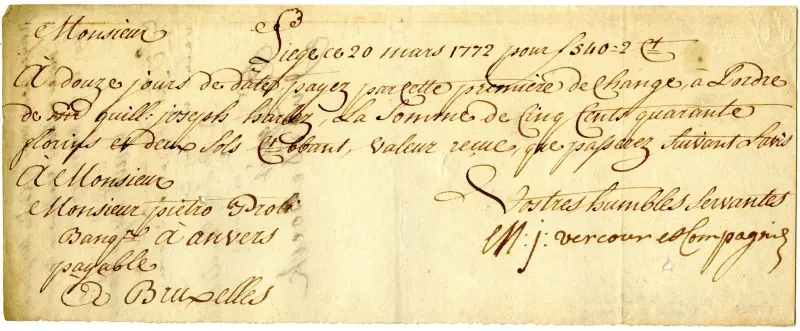
This allowed merchants to settle their payments from their offices. They no longer had to travel around with their goods andcash. The bill of exchange was the precursor to the paper check, which has since become obsolete as well.
Every day, the value of these bills of exchange was determined on the Beursplein. The Bruges brokers kept their Italian colleagues informed of the fluctuating exchange rates. The Bruges bailiff deployed his law enforcement officers to guard the square during trading hours. Beggars, in particular, were barred from entering.
As the Zwin silted up, Bruges lost its importance. International trade shifted to the Scheldt. Starting in 1531, brokers were welcome at the New Stock Exchange in Antwerp.
This story was created by OKV for FAAM—a virtual museum.
 ErfgoedApp
 ErfgoedApp
 Bram
Bram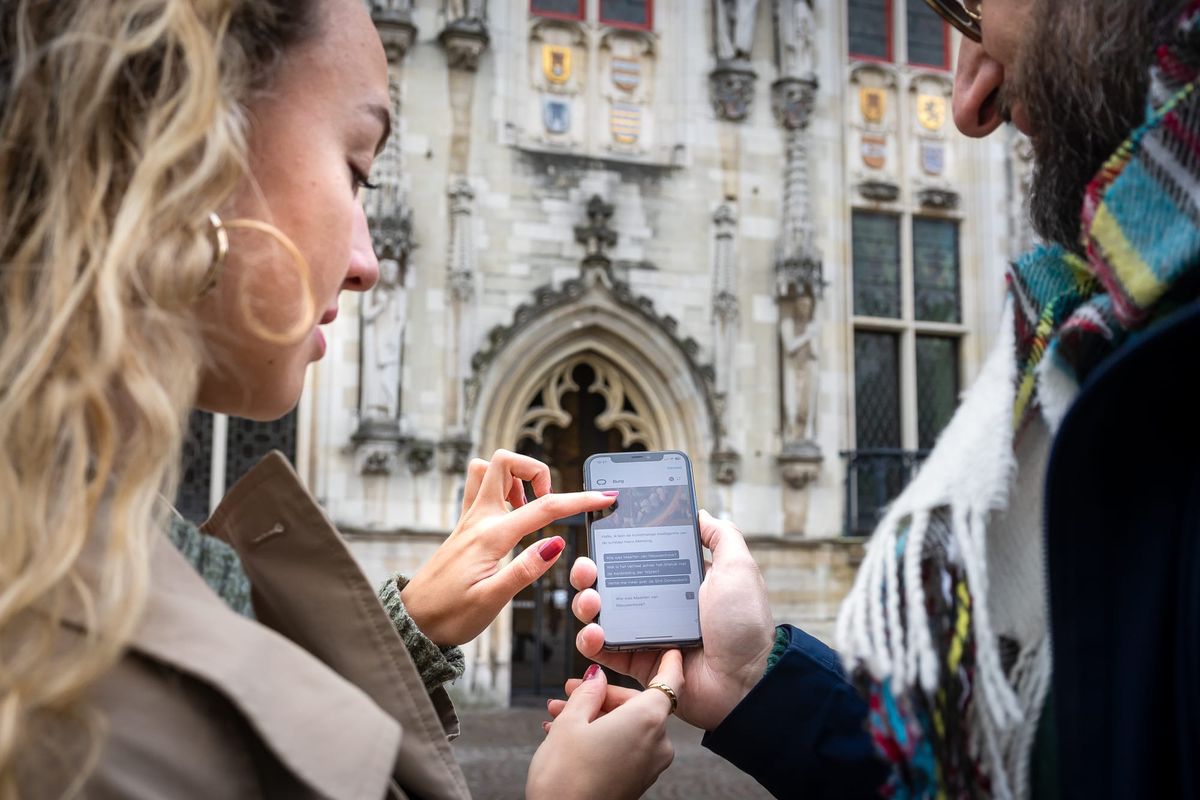
 ErfgoedApp
 FAAM
FAAM
 FAAM
FAAM