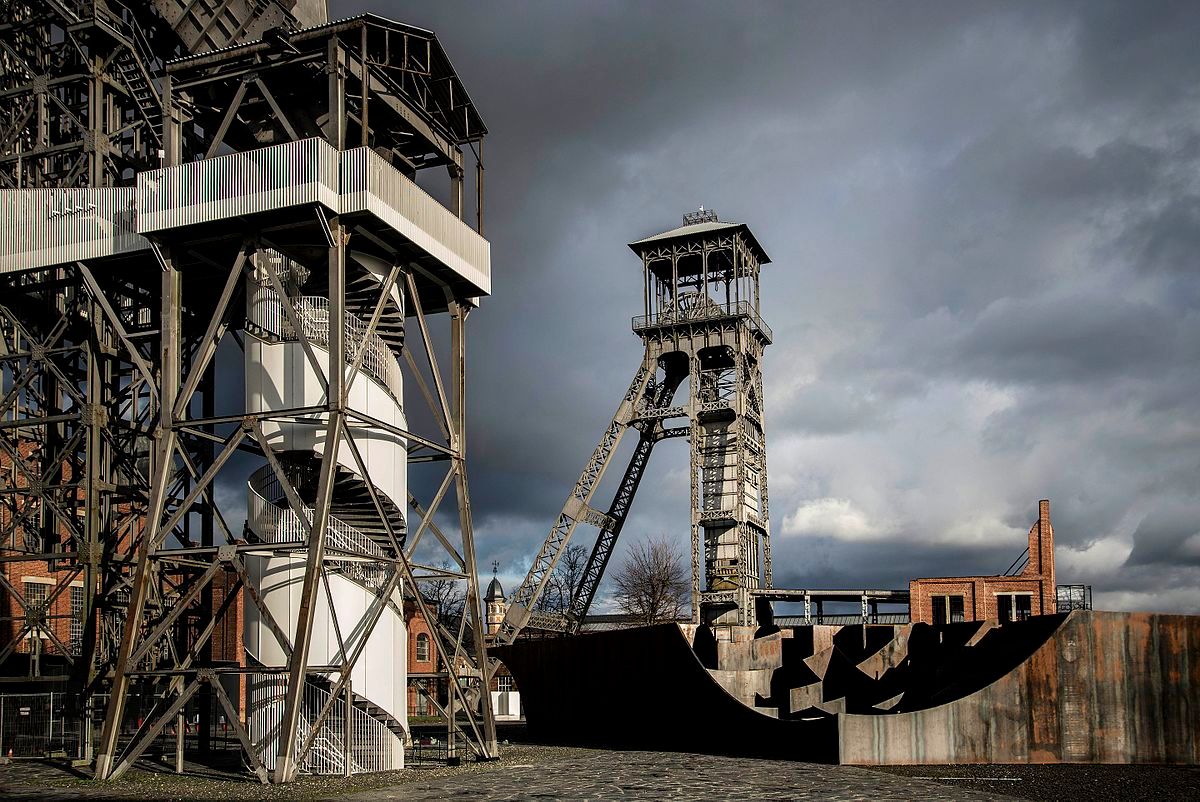
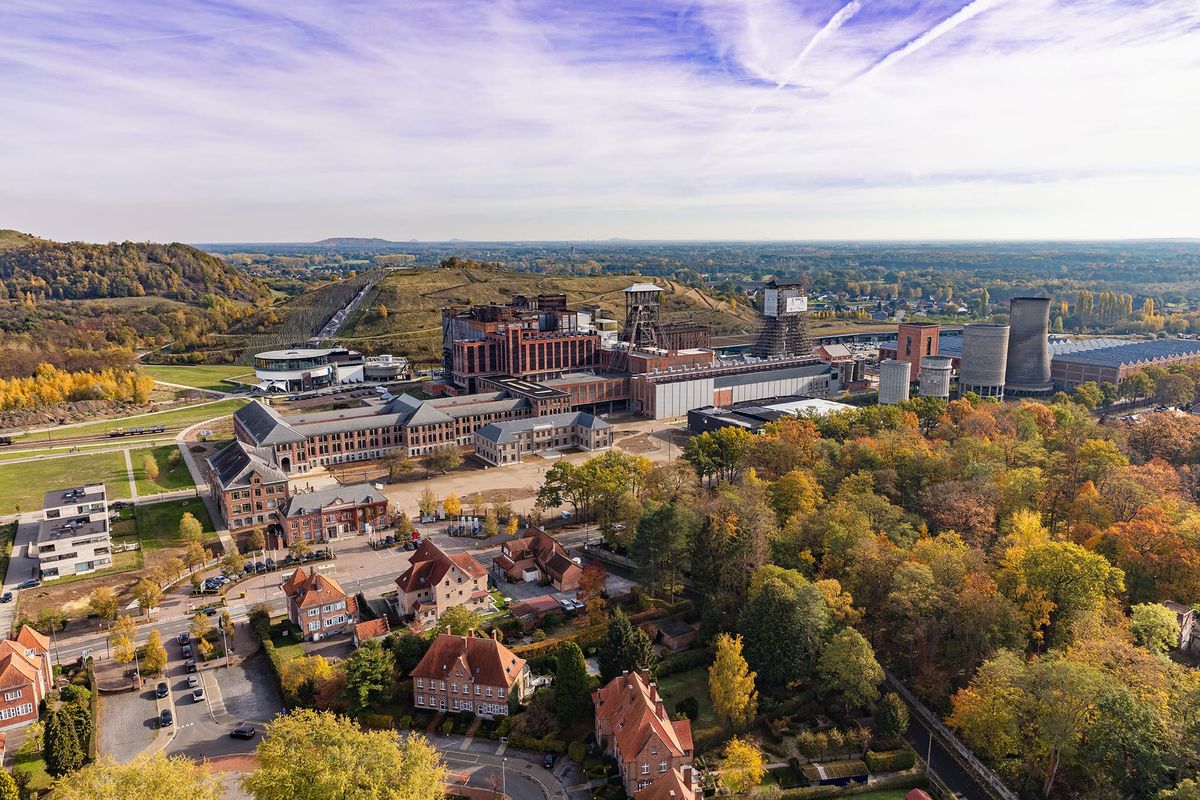
At the Be-MINE mining site in Beringen, you’re more likely to encounter divers, climbers, and mountain bikers these days than miners. Yet the place still exudes the atmosphere of its industrial mining past. Like the other mines in Limburg, the Beringen mine has left a lasting mark on the region.
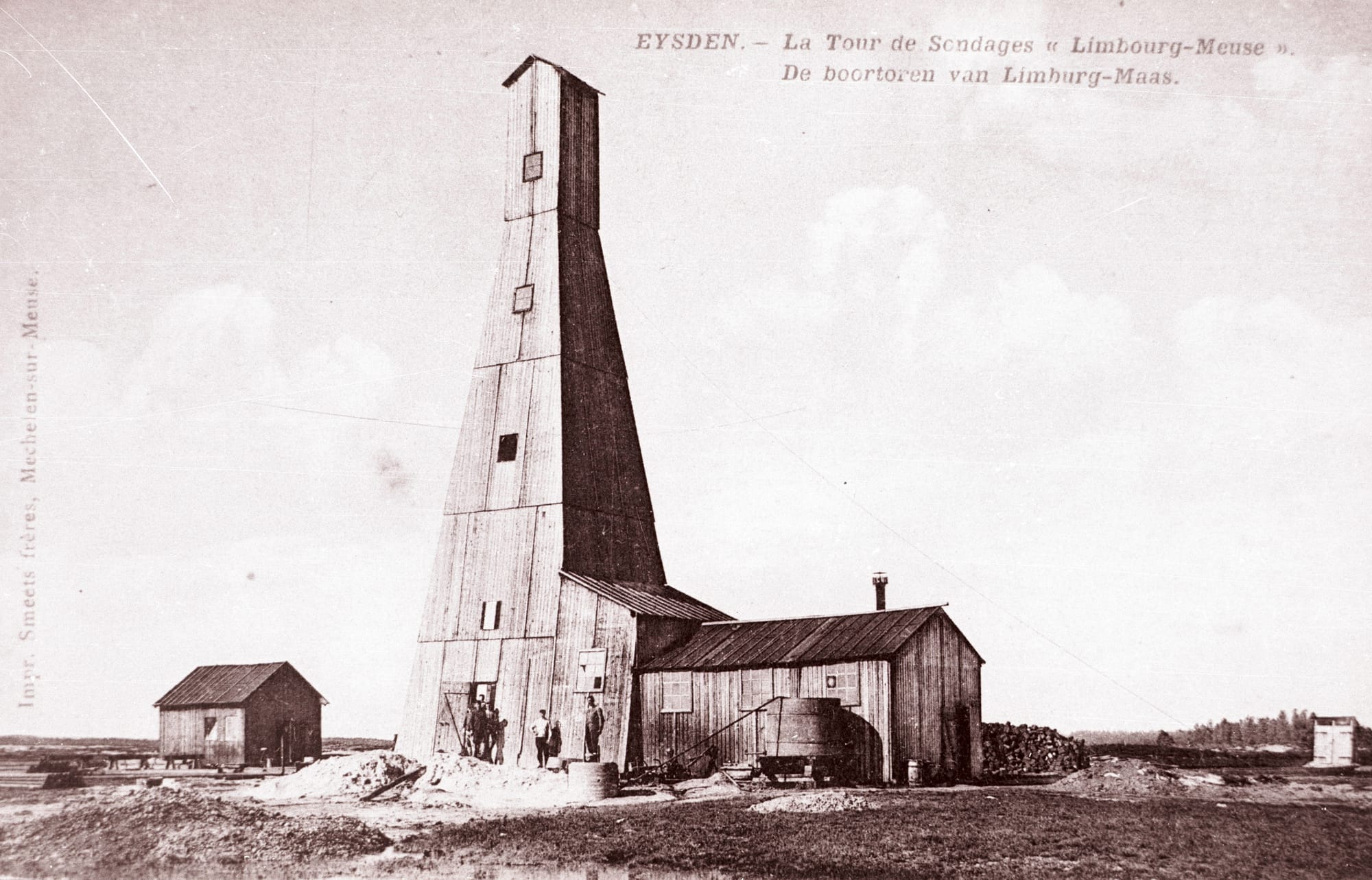
It all began in August 1901, when a team of geologists struck a coal seam in central Limburg. At the time, coal was the primary energy source, so the discovery made people dream of an economic quantum leap for the province. A coal rush soon took off, and after some wrangling, the subsoil was divided among seven mining companies. Yet the challenges were enormous.
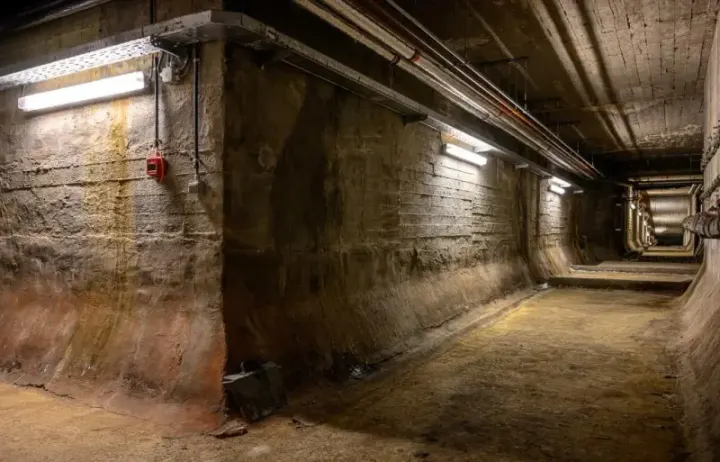
In addition to a number of technical difficulties, one key question was causing the mining companies a great deal of concern: how were they going to find enough people willing to work underground?
Central Limburg was sparsely populated and difficult to reach due to inadequate infrastructure. So the mining companies built new, lush green residential neighborhoods, known as garden cities. They hoped this would attract new workers to the mining region.
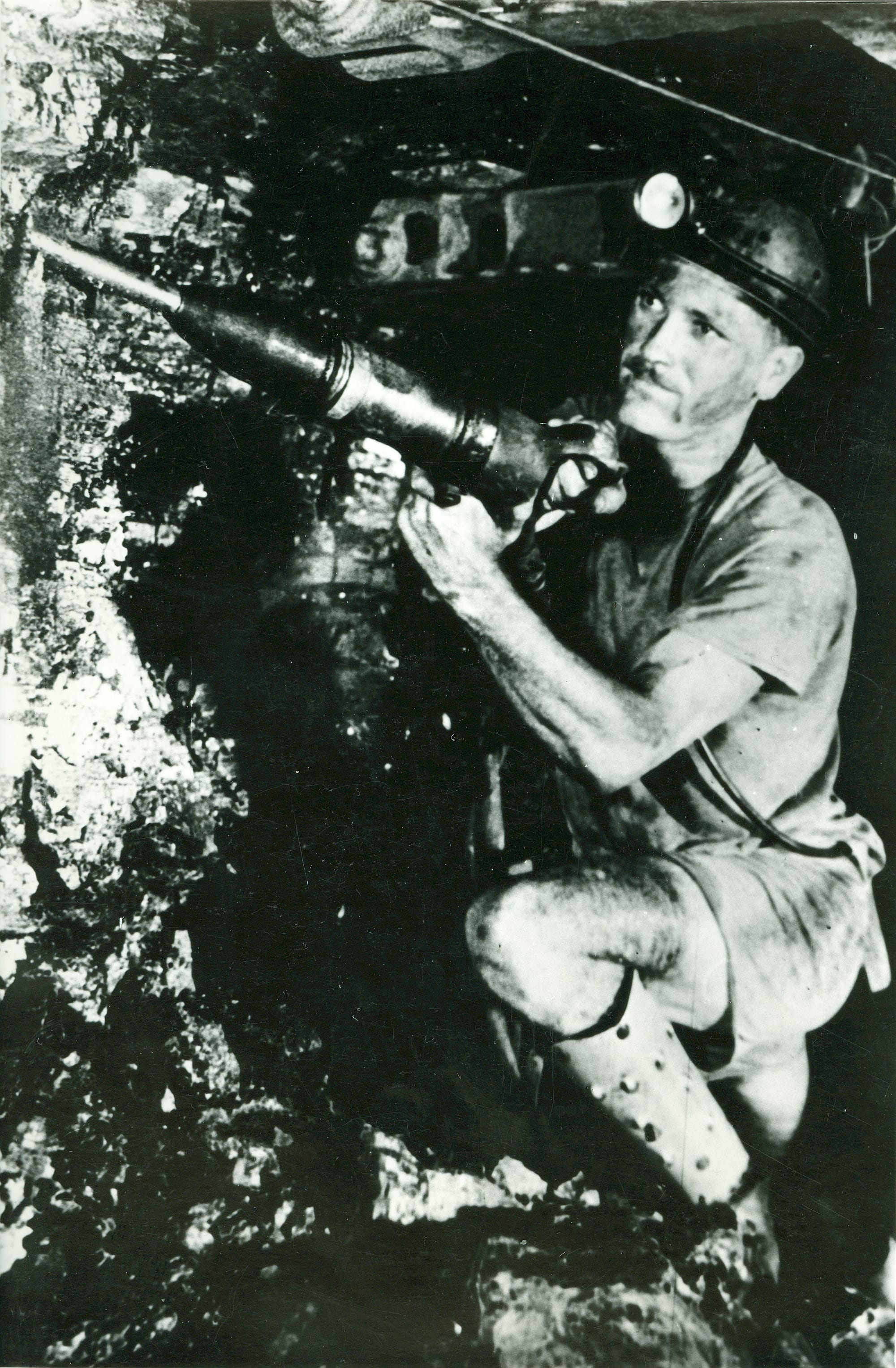
After World War II, the Limburg mines experienced their heyday. The country needed to be rebuilt economically, and that required tons of coal. Prime Minister Achiel Van Acker launched the “coal drive”: a national recovery plan for the coal sector. Miners were granted better working conditions with all sorts of benefits. But working underground remained dangerous and unhealthy. Those who could find work elsewhere preferred to stay out of the mines.
So, in 1946, Belgium signed an agreement with Italy: in exchange for Belgian coal, the country supplied thousands of Italian workers. Guest workers also came from other countries to work in the mines, whether or not under official agreements.
What those migrant workers didn’t know was that the heyday of the Belgian coal mines was almost over. In 1965, the first mine in Limburg— Zwartberg—closed. The rest followed in the decades that followed. The closure of Zolder, the last mine, in 1992 marked the end of the coal industry in Belgium.
This story was created by Geheugen Collectief for FAAM – Virtual Museum.
 ErfgoedApp
 ErfgoedApp
 ErfgoedApp
 ErfgoedApp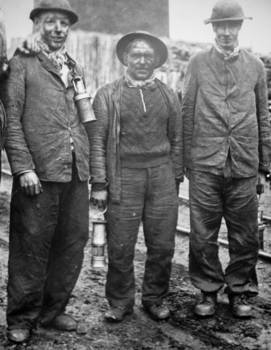
 ErfgoedApp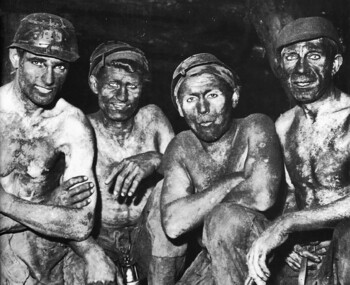
 Dorien De Vrindt