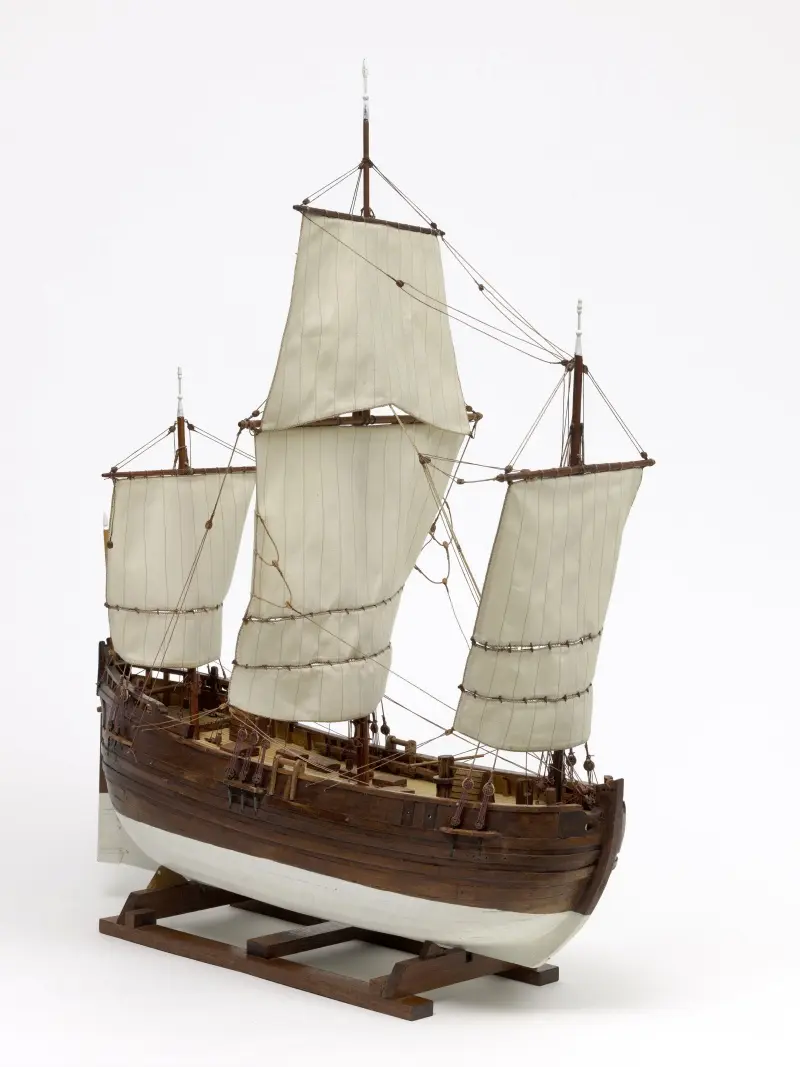
The herring boat first appeared in the 15th century. The ship model symbolizes the historically significant herring fishery along the Flemish coast. It emerged around the year 1000. Population growth and the rise of cities created a greater need for food. The answer? Fish! Because herring were abundant in the North Sea, the species was heavily fished.
Herring were caught using long, fine-mesh nets called "vleten"—hence the expression "by the vleet."
Herring spoils quickly, which is bad for sales. That’s why people started using all sorts of methods to extend its shelf life. For example, they preserved it in salt, or smoked the herring to turn it into “bokking.”
In the late 14th century, fishermen devised a different, revolutionary method: “gutting,” which involved removing the gills and entrails from the herring before salting it.
The herring pipe was fully adapted to the new storage method. Herring could be gutted right on the wide ship’s deck. And that wasn’t the only advantage. The herring boat had a greater range than the small vessels that herring fishermen had used previously. From then on, Flemish fishermen could also be found in Scottish and even Scandinavian waters. As a result, herring fishing experienced a golden age in the 15th and 16th centuries.
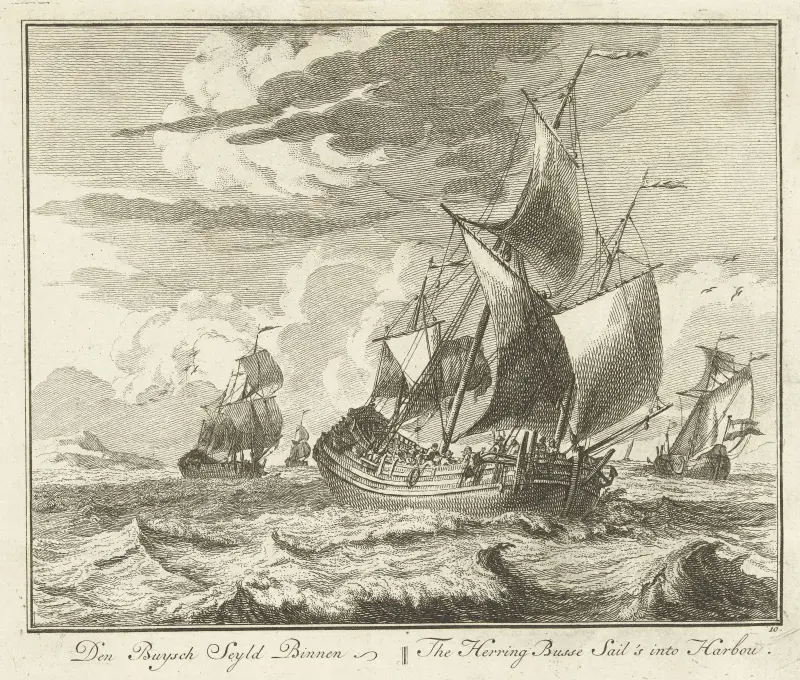
At the beginning of the 17th century, however, the ravages of war in the Southern Netherlands plunged the herring fishery into a severe crisis. The industry would never fully recover. Flemish fishermen were able to catch plenty of other fish species, ranging from sole to cod to shrimp. The latter, incidentally, were caught on the beach by fishermen on horseback.
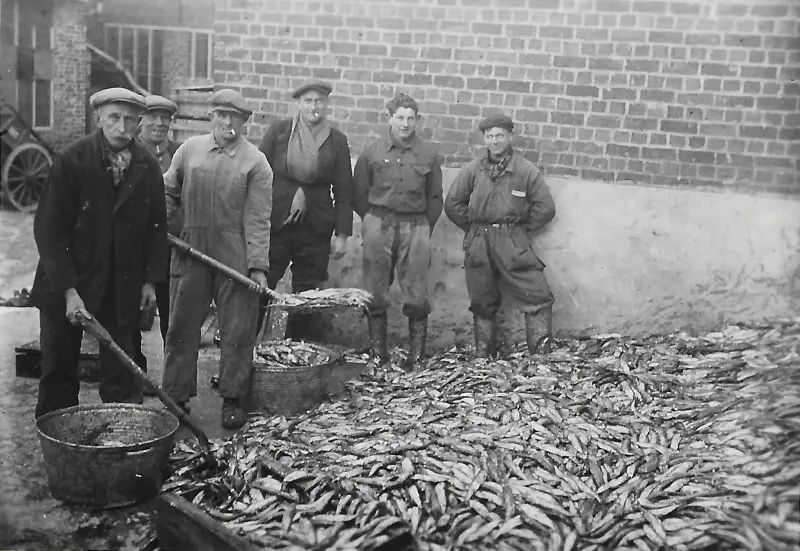
During World War II, the herring fishery enjoyed one last moment of glory. Huge herring catches amounting to tens of thousands of tons helped occupied Belgium combat food shortages. But after that, the sector declined once again. In the 1970s, European restrictions were even imposed on herring fishing in the North Sea to prevent the depletion of fish stocks.
This story was created by Geheugen Collectief for FAAM – Virtual Museum.
 ErfgoedApp
 ErfgoedApp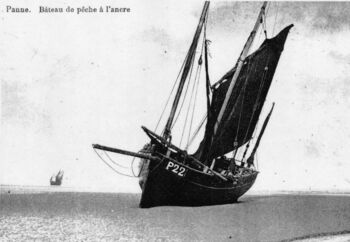
 ErfgoedApp