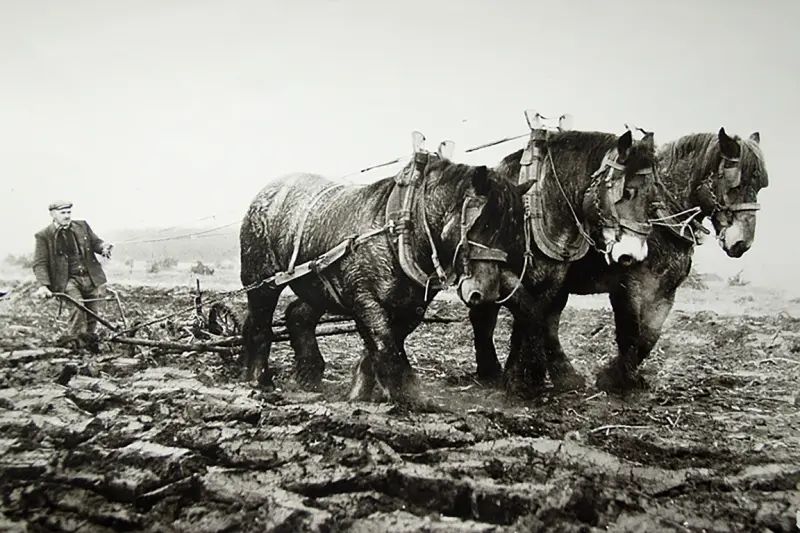
Horsepower—it’s no coincidence that this is a common unit for expressing an engine’s power. When James Watt developed the steam engine at the end of the 18th century, he compared the power of his machine to that of the primary source of traction at the time: the horse. And if there was one breed of horse that was particularly powerful, it was the Brabant draft horse.
The Brabander was bred as a draft horse in the second half of the 19th century through the selective crossbreeding of several breeds.
For decades, the breed was extremely popular because of its strength, stamina, and gentle nature. By 1880, there were already 240,000 Brabant horses in Belgium. They were popular elsewhere as well. Breeders exported their horses as far as the United States.
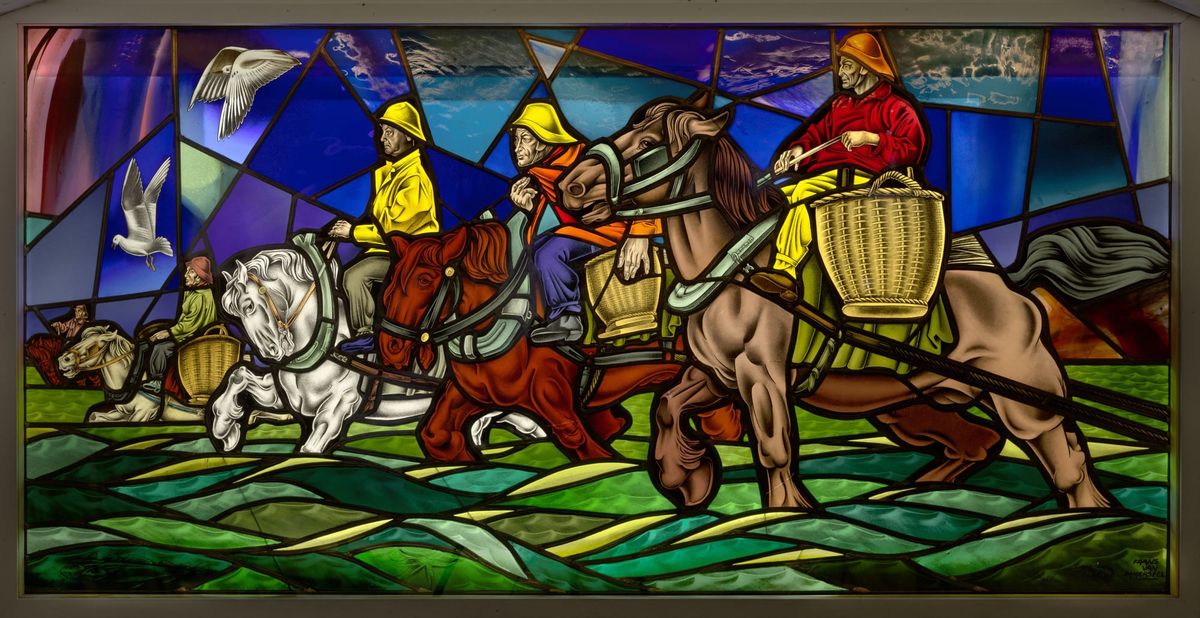
Shrimp fishermen’s nets, coal carts, riverboats, plows, felled trees, carriages full of people… the list of things that the people of Brabant pulled was long.
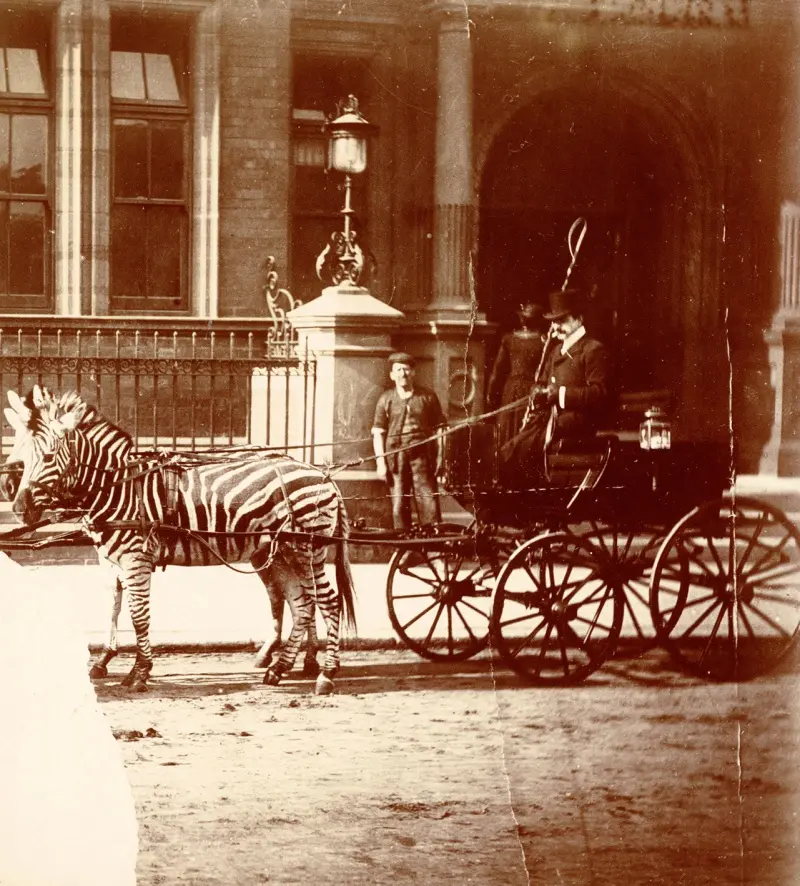
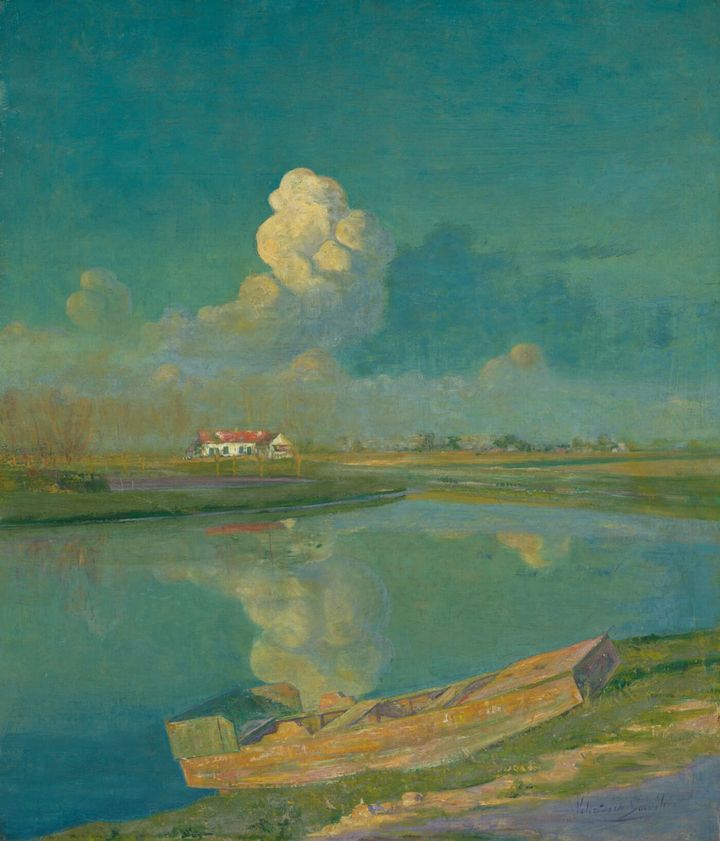
The Brabant draft horse wasn’t the only pack animal. Did you know that in 1900, Belgium had 150,000 draft dogs that pulled smaller freight carts? Things were even wilder at the Antwerp Zoo. There, children could take rides in carriages pulled by ponies, llamas, and zebras. Yet no draft animal was as closely associated with life in the Flemish countryside as the Brabant draft horse. That is precisely why many 19th- and 20th-century artists immortalized the animal. Painters such as Edmond de Pratere even had a distinct fondness for the draft horse.
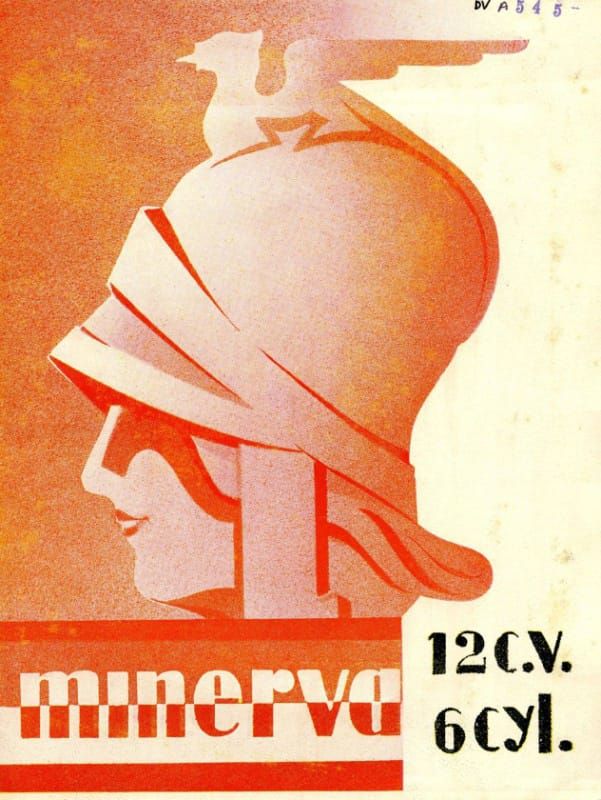
The turning point came in the 1950s. Internal combustion engines took over everywhere.
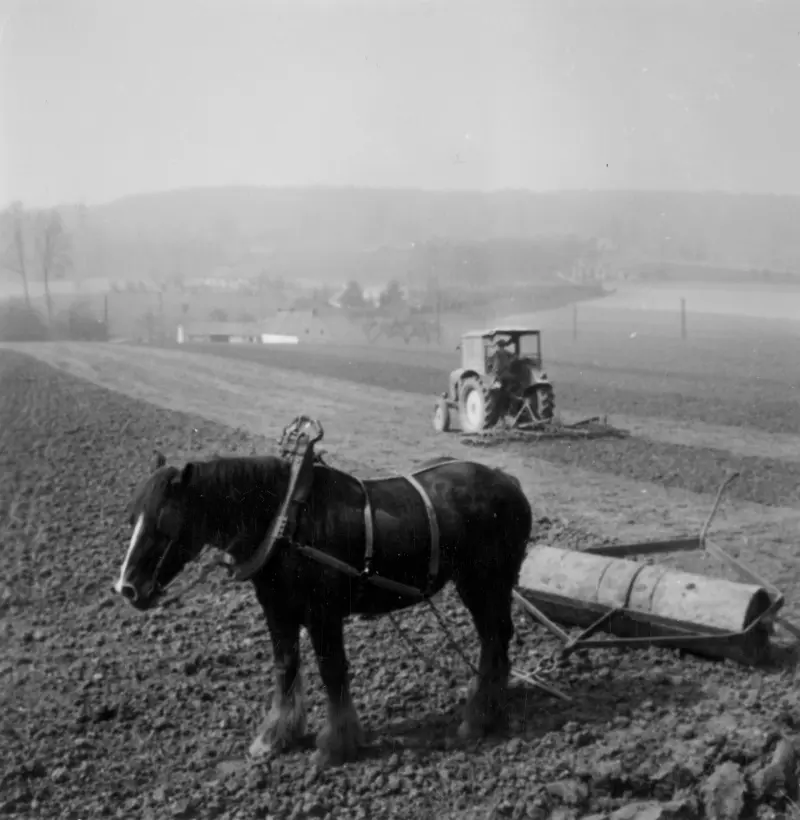
Farmers began trading in their Brabanders for tractors en masse. In the 1950s, there were still about 200,000 draft horses; today, there are only a few thousand left. Various breeders and heritage organizations are committed to keeping the animal and the culture surrounding it alive. Support sometimes comes from unexpected sources. For example, the beer brand Palm also wants to give the draft horse a future.
This story was created by Geheugen Collectief for FAAM – Virtual Museum.
 ErfgoedApp
 ErfgoedApp
 ErfgoedApp
 ErfgoedApp
 ErfgoedApp
 FAAM
FAAM